… ` albo dopracuję ten HTML pod konkretną długość SEO i Rank Math.
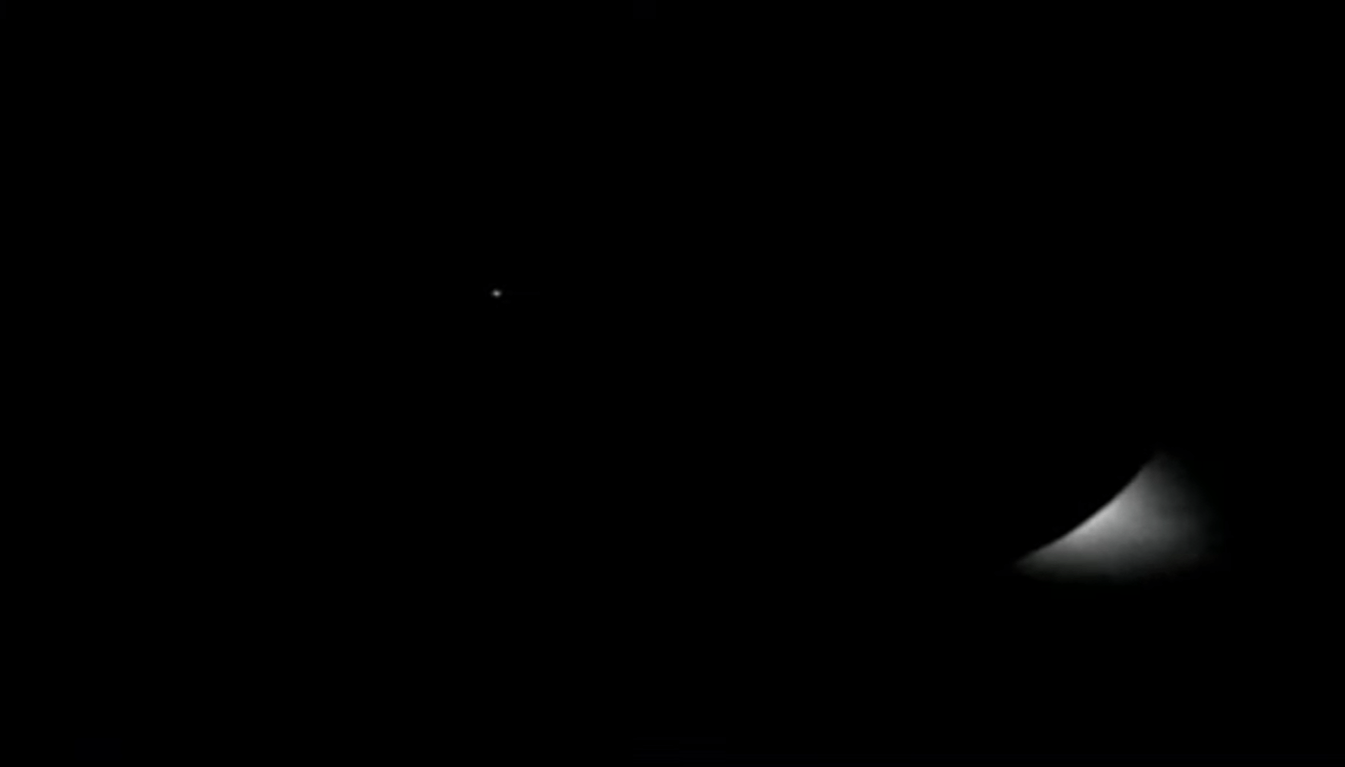
A total solar eclipse is one of the most extraordinary things you can photograph, but it is also one of the least forgiving. Totality lasts only a short time, the light changes dramatically, and there is no pause button while you fumble through menus. Good eclipse photography is not about luck. It is about preparation, repetition, and knowing exactly which settings to use before the Moon takes a bite out of the Sun.
This guide focuses on camera settings for total solar eclipse photography. If your equipment is already chosen, this is the part where the machine becomes an instrument instead of a puzzle. We will cover the best settings for the partial phases, totality, the corona, Baily’s beads, wide landscape shots, and the exposure strategy that gives you the best chance of coming home with both sharp images and your sanity intact.
Safety first: the filter stays on until totality
Before we get into ISO, shutter speed, and aperture, the rule carved in stone is this: for every partial phase, you need a proper solar filter secured over the front of the lens, telescope, or binoculars. The filter comes off only during the brief total phase, when the Sun’s bright face is completely covered. It goes back on the moment a bright bead of sunlight reappears.
That means your settings workflow should be built around two separate worlds: one for the bright partial phases with the solar filter attached, and another for totality with the filter removed.
Best camera setup before eclipse day
Use manual mode, shoot in RAW, and switch to manual focus. It is worth testing your settings on the uneclipsed Sun before eclipse day. Locking focus and, if needed, the zoom ring with tape is also a good idea so your setup does not drift at the worst possible moment.
- Mode: Manual
- File format: RAW
- Focus: Manual
- Drive mode: Continuous / burst or automated bracket sequence
- Stability: Tripod, remote release, shutter delay or electronic shutter if available
- Auto ISO: Off
Camera settings for the partial phases
During the partial phases, the Sun remains extremely bright. A good practical starting point for the partial phases is below.
| Setting | Recommended starting point |
|---|---|
| Mode | Manual |
| Format | RAW |
| ISO | 100 to 200 |
| Aperture | f/8 to f/11 |
| Shutter speed | 1/500 to 1/2000 s |
| Focus | Manual |
| White balance | Daylight or fixed manual |
These are starting points, not sacred numerals. The exact exposure depends on your lens, solar filter density, atmospheric haze, Sun altitude, and sensor behavior.
How to focus on the Sun
Focus is best set before the eclipse becomes hectic. Use live view, magnify the Sun’s edge, and focus manually until the limb is crisp. If sunspots are visible, they are excellent focusing targets.
Do not trust autofocus to rescue you. With a solar filter in place, autofocus can hesitate, hunt, or simply wander off. Manual focus is calmer, cleaner, and far less likely to betray you when the light starts changing fast.
Camera settings for totality
Totality is a different animal entirely. Once the Sun’s bright disk is fully covered and you are inside the path of totality, you remove the solar filter and begin photographing the corona, prominences, and the Moon’s dark silhouette.
A practical totality settings strategy is:
| Subject during totality | ISO | Aperture | Shutter speed |
|---|---|---|---|
| Prominences / inner bright structures | 100 to 200 | f/8 | 1/1000 to 1/250 s |
| Inner corona | 100 to 400 | f/8 | 1/250 to 1/30 s |
| Mid corona | 200 to 400 | f/5.6 to f/8 | 1/30 to 1/4 s |
| Outer corona | 400 to 800 | f/4 to f/8 | 1/4 to 1 s |
This table is a field-ready guide rather than a rigid chart. It is designed to help you bracket efficiently across the brightness of the corona. If your mount tracks, you can push longer exposures more safely. If you are on a fixed tripod at long focal length, your practical upper limit may be shorter.
Exposure bracketing is the real hero
If you remember one thing from this article, let it be this: bracket everything during totality. One exposure may capture the inner corona beautifully and leave the outer corona invisible. Another may reveal the outer streamers and blow out the inner structures. The best eclipse images often come from a series, not a single frame.
A solid practical bracketing sequence at f/8 might look like this:
- 1/1000 s
- 1/250 s
- 1/60 s
- 1/15 s
- 1/4 s
- 1 s
After the eclipse, you can combine selected frames in post-processing to show both the bright inner corona and its fainter outer structure.
Baily’s beads and the diamond ring
The moments just before and after totality are tiny fireworks. Baily’s beads and the diamond ring are bright, brief, and easy to miss if you are buried in menus. The same faster end of your totality bracket, usually around 1/1000 to 1/250 second, is a good place to start for these fleeting highlights.
The critical thing is operational: remove the filter only once totality has begun, and replace it immediately when direct sunlight reappears.
Settings for wide-angle eclipse landscape shots
A second camera for wide shots is one of the smartest things you can do. This lets you capture changing light, the lunar shadow, horizon glow, and people’s reactions while your main camera is busy with the telephoto work.
| Setting | Recommended starting point |
|---|---|
| Lens | 14 to 35 mm |
| Mode | Manual or aperture priority |
| ISO | 400 to 1600 |
| Aperture | f/4 to f/8 |
| Shutter speed | 1/30 s to 2 s |
| Focus | Manual, pre-focused |
This is not for close-ups of the Sun. It is for the eclipse atmosphere: the eerie horizon, dimmed daylight, silhouettes, and the reactions of the people around you. The telephoto tells the science. The wide lens tells the story.
Common camera-setting mistakes
The most common failure is not a bad lens or an old body. It is lack of rehearsal. Practice on the uneclipsed Sun beforehand, and test focus, exposure, framing, and filter removal in advance.
- Leaving exposure on full auto
- Relying on autofocus
- Forgetting to switch off Auto ISO
- Removing the filter too early
- Forgetting to put the filter back on after totality
- Shooting only JPEG
- Framing too tightly with a long lens and no tracking
- Spending all of totality staring at the rear screen
Do not forget to actually look at the eclipse with your own eyes during totality. Even the sharpest frame is still only a souvenir of the thing itself.
Quick eclipse settings checklist
Before the eclipse, make sure you have:
- Manual mode enabled
- RAW enabled
- Manual focus set and taped
- Solar filter secured on the front of the lens
- Tested partial-phase exposure
- Prepared totality bracket sequence
- Tripod and remote release ready
- Spare batteries and empty memory card
- A printed or saved timeline for first contact, totality, and third contact
Final thoughts
The best camera settings for a total solar eclipse are not a single number. They are a plan. For the partial phases, keep the solar filter on and work at low ISO with relatively short exposures. For totality, remove the filter only when the Sun is fully covered and run a bracketed sequence from fast exposures for the bright inner corona to longer exposures for the faint outer corona. Practice the full routine before eclipse day, because the eclipse will not slow down to let you think.