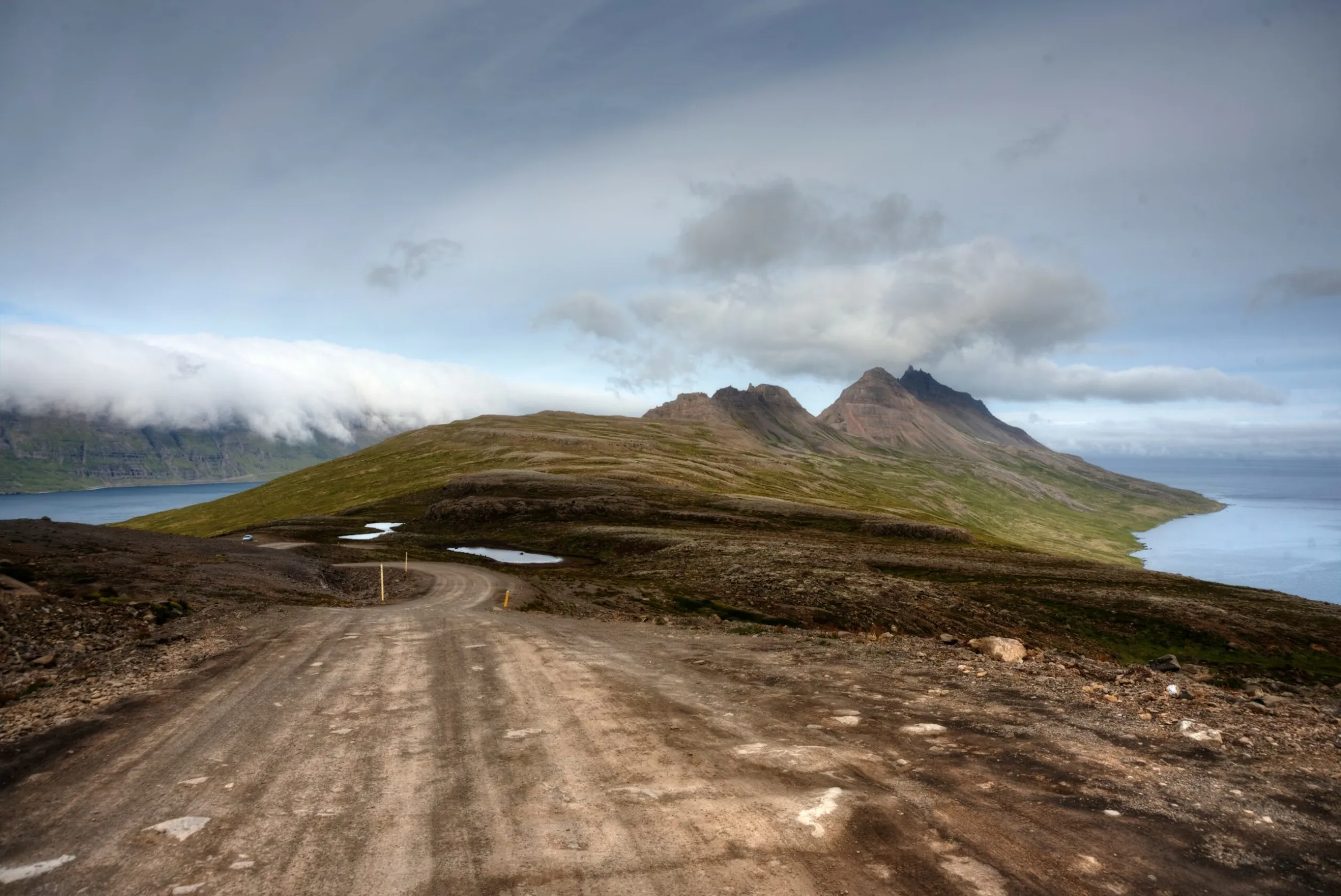
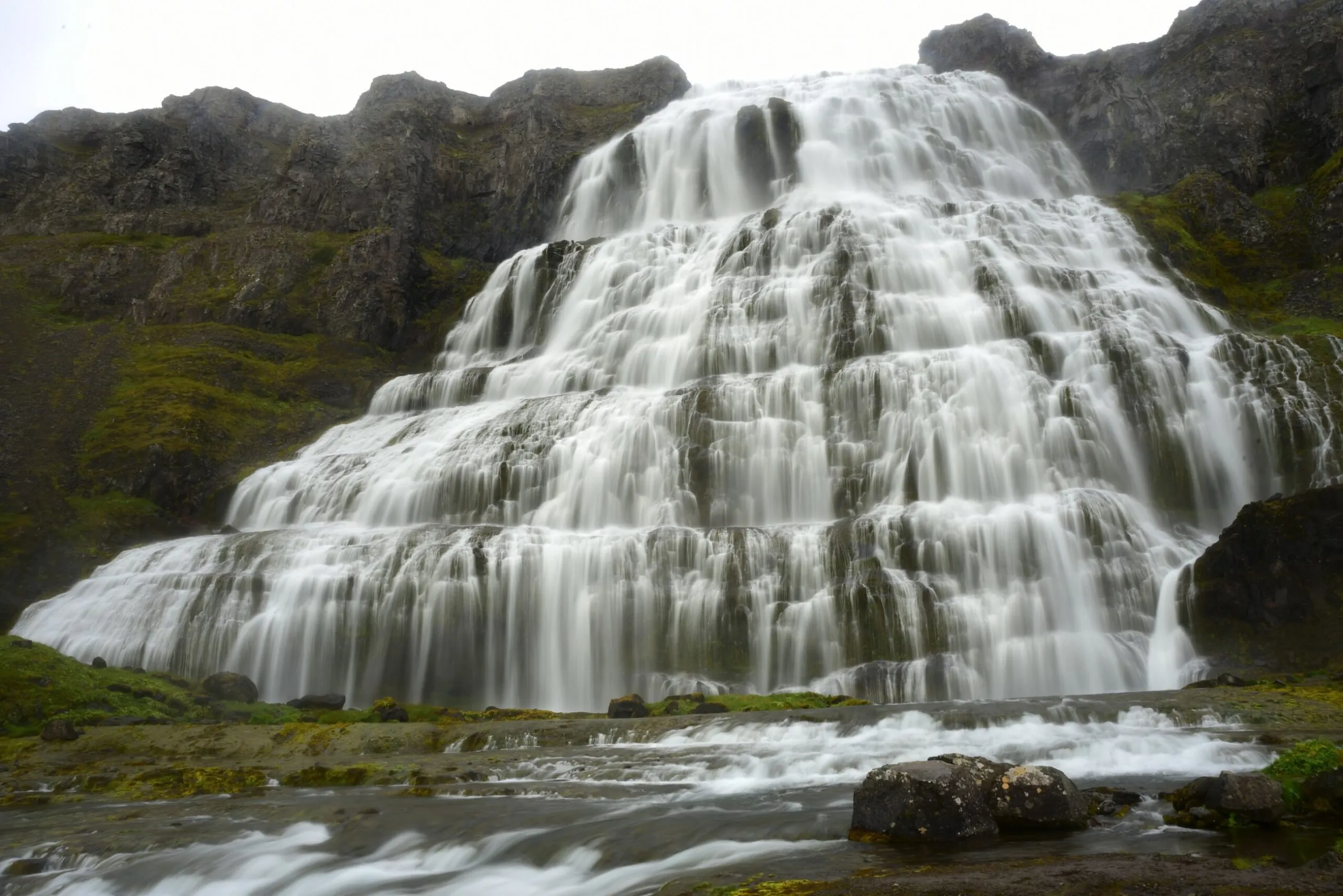
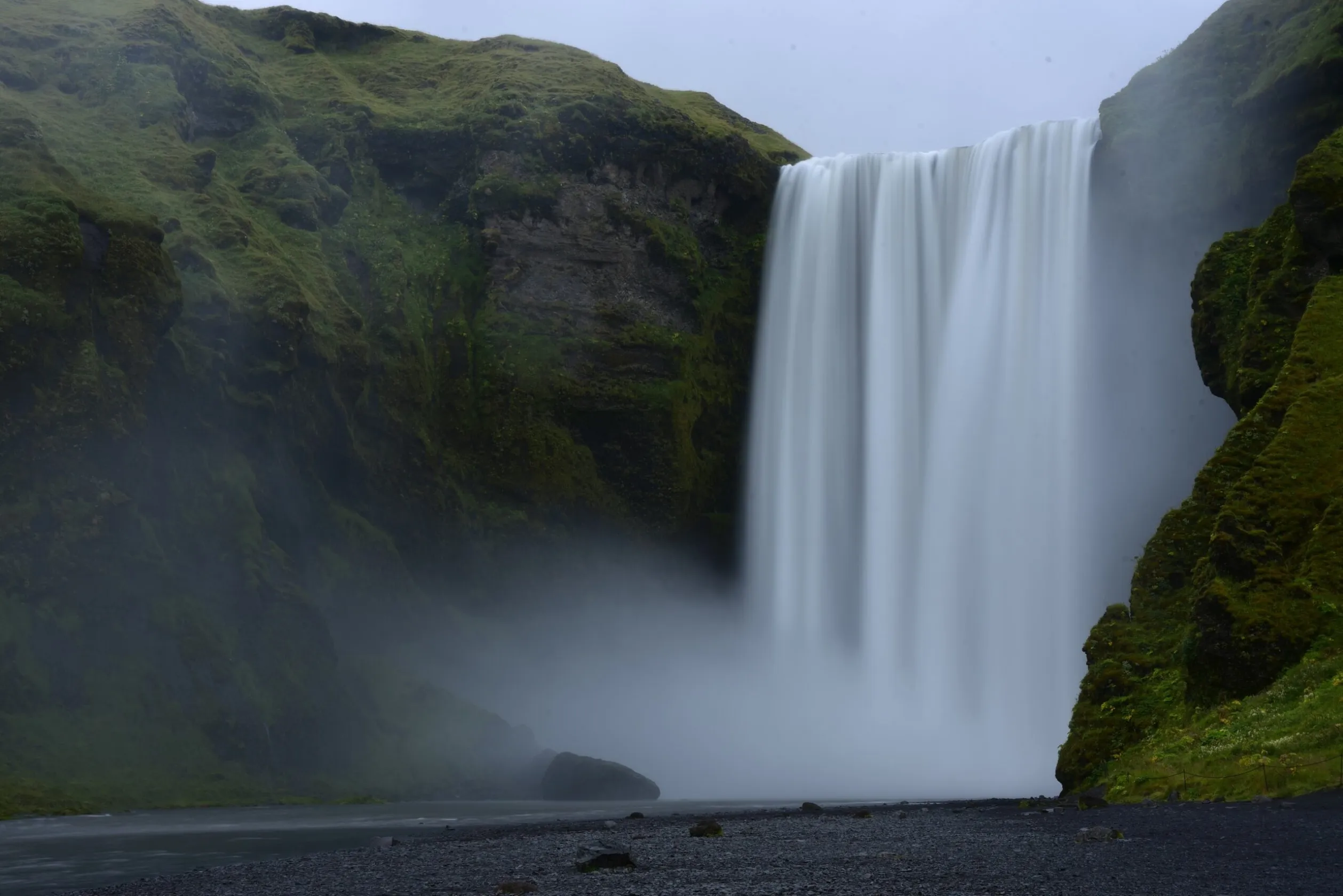
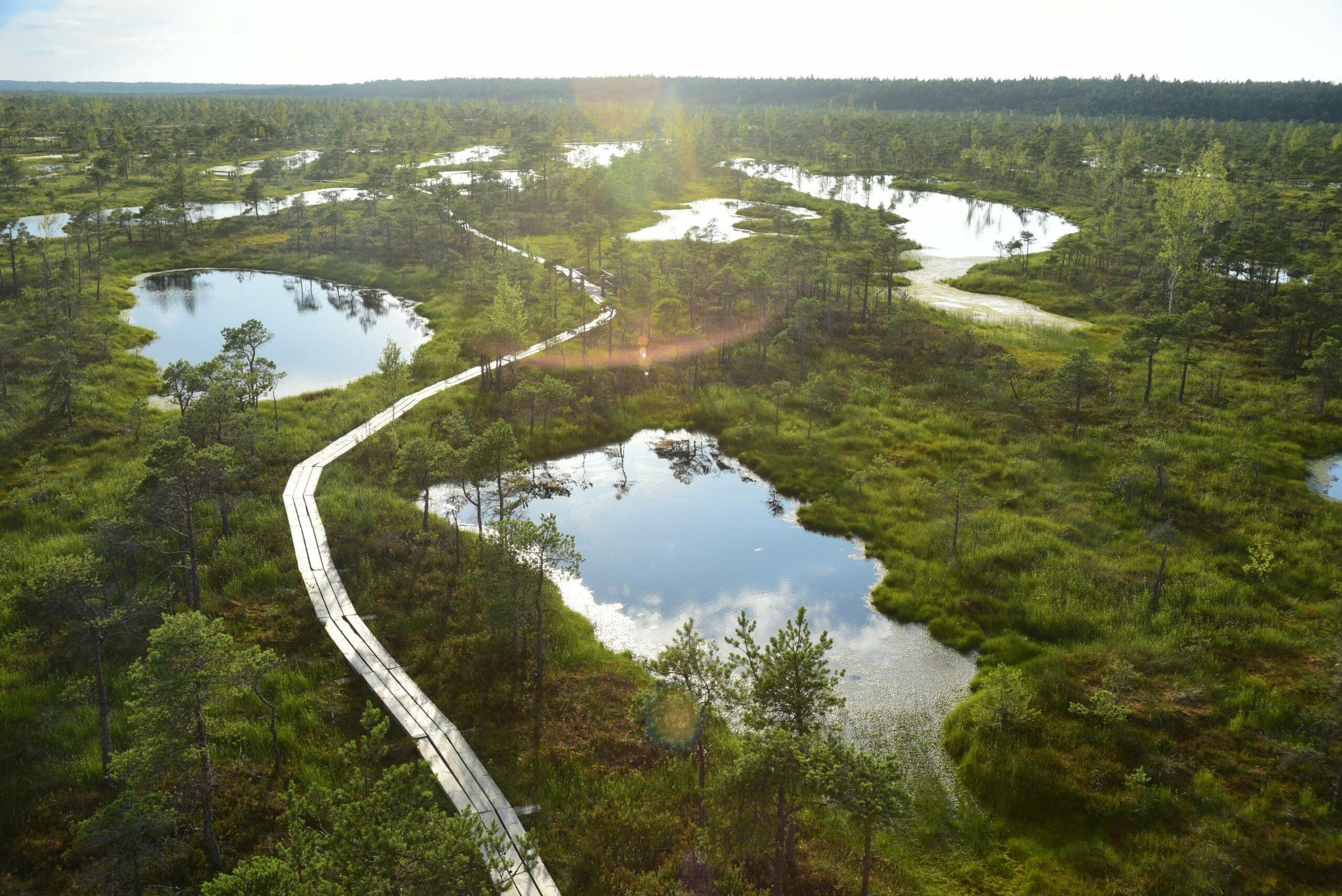
The workshops are planned so that participants not only visit interesting places, but above all learn to photograph landscapes consciously. It is about choosing the frame, understanding light, working with a tripod, filters, focal length, and composition, but also about patience and the ability to make decisions in the field.
Morning: the best light starts early
In landscape photography, the day often begins before sunrise. This is one of the most important parts of the workshops. Early morning offers soft light, a calmer atmosphere, and often more interesting conditions than the middle of the day.
We arrive at the location in advance, so there is time to choose the composition calmly, set up the tripod, and prepare the camera. It is not about running around with a camera at the last moment. It is about entering the landscape consciously and understanding what may happen with the light in the next few minutes.
During the morning session, we work on, among other things:
- choosing the best point of view,
- building a composition with a foreground,
- setting focus and depth of field,
- working with a tripod,
- choosing focal length,
- controlling exposure,
- photographing in changing light.
Field work: not only camera settings
Many participants come to workshops with questions about camera settings. They are important, but in good landscape photography settings are only part of the process. The most important question is: why should this frame work?
In the field, we analyze the scene step by step. We look for leading lines, rhythm, balance, the relationship between sky and land, a strong foreground, or simplicity that allows the image to breathe. Sometimes the best frame is one meter away from the place where everyone instinctively sets up the tripod.
During the workshops, we learn to look more slowly. Instead of taking dozens of random photographs, we work on a few stronger frames.
Midday: rest, learning, and photo analysis
The middle of the day is not always the best time for landscape photography, especially when the light is harsh and flat. It is a good moment for rest, conversation, transfer to the next location, or analysis of the photographs taken earlier.
Depending on the workshop program, midday may also be used for a transfer to the next shooting location. Some trips are planned so that participants photograph different landscapes and lighting conditions in several locations during one day or over the following workshop days. Such a transfer gives an opportunity to get to know a new area, discuss the plan for the afternoon session, and prepare the equipment calmly before the next shoot.
During transfers, we often also talk about planning photographs, analyze weather conditions, the direction of light, and potential compositions. This is an important part of the workshops, because landscape photography begins much earlier than placing the camera on a tripod.
In this part of the day, we often also discuss photographs from the morning session. We look at composition, exposure, sharpness, use of filters, technical mistakes, and framing decisions. This is a very important element of the workshops, because only during calm analysis can you see what really works and what only seemed good in the field.
Discussing photographs is not criticism for its own sake. It is about specific guidance: what can be improved, how to set the camera differently, whether it would have been worth moving closer, changing focal length, lowering the perspective, or waiting for different light.
Planning the next session
Before the afternoon or evening session, we check the conditions. Weather, cloud cover, direction of light, wind, air clarity, and travel time to the location all matter. In landscape photography, a plan is necessary, but it must remain flexible.
Sometimes we stay with the original location. Sometimes we change the place because clouds, fog, or light offer a better chance elsewhere. This is one of the most important lessons of the workshops: a good landscape photograph often begins before pressing the shutter button.
Evening session: working with sunset light
Sunset is the second key part of the day. The light becomes warmer, shadows grow longer, and the landscape gains depth. This is the moment when it is worth already being in place, with equipment ready and the frame thought through.
During the evening session, we work with a different kind of light than in the morning. Sometimes we photograph against the light, sometimes side light on mountains, cliffs, rocks, or water. Sometimes the most interesting photographs are made only after sunset, when the sky still glows but the contrasts are softer.
In the evening, we practice, among other things:
- photographing during the golden and blue hours,
- working with contrast,
- using graduated and neutral density filters,
- longer exposure times,
- consciously combining sky and foreground,
- looking for simple, strong compositions.
Equipment during the workshops
You do not need the most expensive camera to benefit from landscape photography workshops. It is more important to understand the equipment you already have. A camera that allows manual mode, a tripod, and a basic set of lenses are fully sufficient for learning.
Useful items may include:
- a camera with manual mode,
- a wide-angle lens,
- a standard zoom or telephoto lens,
- a stable tripod,
- a cable release or remote control,
- photographic filters,
- spare batteries,
- memory cards,
- a lens cloth,
- comfortable shoes and clothing suited to the weather.
What you learn in one day
One day of workshops can change a great deal in the way you photograph. The goal is not to return with hundreds of pictures. The goal is to better understand how a good landscape photograph is created.
Participants learn, among other things:
- how to choose a place for a photograph,
- how to plan photography around light,
- how to set the camera consciously,
- how to work with a tripod,
- how to compose a frame,
- how to use the foreground,
- how to avoid chaos in an image,
- how to evaluate their own photographs,
- how to respond to changing weather.
Who are these workshops for?
Landscape photography workshops are for people who want to photograph more consciously. You do not need to be a professional photographer. A willingness to learn, basic knowledge of your camera, and readiness to work in the field are enough.
These workshops are a good choice for people who return from travels with many photographs but feel they lack stronger images. They are also a good choice for those who want to better understand light, composition, and planning landscape photographs.
Why are field workshops so effective?
Landscape photography is best learned in a place where real decisions must be made. In the field, you can immediately see how light changes a scene, how moving the tripod half a meter affects the composition, and why sometimes it is worth waiting instead of taking a picture right away.
Workshops also give participants the opportunity to ask questions as they work. Instead of reading general advice, the participant works with their own camera, in real conditions, and on specific frames.
The most important lesson: looking consciously
A good day of landscape photography workshops does not end only with a few successful photographs. The most important thing is that the participant begins to look differently. They notice light, the direction of shadows, the rhythm of lines, the simplicity of the frame, and the value of patience.
That is the change that lasts the longest. Equipment can be replaced, locations will change, but the ability to look consciously stays with the photographer on every future trip.
Frequently Asked Questions
Do I need a professional camera?
No. A camera that allows manual exposure control is enough. The most important thing is to learn to use the equipment you already have consciously.
Are the workshops suitable for beginners?
Yes, provided that you know the basic operation of your camera. The workshops help organize your knowledge and immediately apply it in practice.
Do I need a tripod?
A tripod is very useful in landscape photography, especially at sunrise, sunset, and with longer exposure times. It is worth bringing one.
What happens if the weather is bad?
Weather is part of landscape photography. Sometimes it creates difficult conditions, but often that is when interesting photographs are made. The plan can be adjusted to light, clouds, wind, and visibility.
Are participants’ photographs discussed during the workshops?
Yes. Photo analysis is an important part of learning. We discuss frames in a practical way, paying attention to composition, light, technique, and possible improvements.
Summary
A day of landscape photography workshops combines field work, planning, observation of light, practical exercises, and photo analysis. It is an intense but very valuable way to learn, because everything happens in real conditions.
The main goal is not only to take a few good photographs. The goal is to better understand the landscape, light, and your own photographic decisions. Thanks to this, future journeys and future outdoor sessions become more conscious, calmer, and more interesting photographically.