Travel Photography: How to Return With a Story, Not Only Photos
Many people return from travel with thousands of photographs and still feel that something is missing. The images show places, buildings, landscapes and sunsets, but they do not fully recreate the feeling of being there. This is one of the biggest differences between collecting photographs and creating travel photography with a story.
Good travel photography is not only about documenting locations. It is about atmosphere, emotion, rhythm, people, light and small moments that together create a visual narrative. A strong travel photograph does more than show a destination. It makes the viewer feel something about the place.
Returning with a story instead of only memory cards full of images requires a different way of photographing. It means slowing down, observing more carefully and thinking about how individual photographs connect to each other.
Travel Photography Is More Than Beautiful Places
One of the most common mistakes in travel photography is focusing only on famous landmarks. Iconic places are important, but they rarely tell the whole story of a journey.
A complete visual story usually includes much more:
- landscapes,
- people,
- details,
- street scenes,
- weather,
- food,
- transportation,
- moments between destinations,
- light and atmosphere.
The strongest travel stories are often built from ordinary moments rather than only spectacular ones.
Why Atmosphere Matters More Than Perfection
Technically perfect photographs are not always emotionally memorable. Some of the most powerful travel images contain movement, rain, fog, shadows, difficult weather or imperfect light.
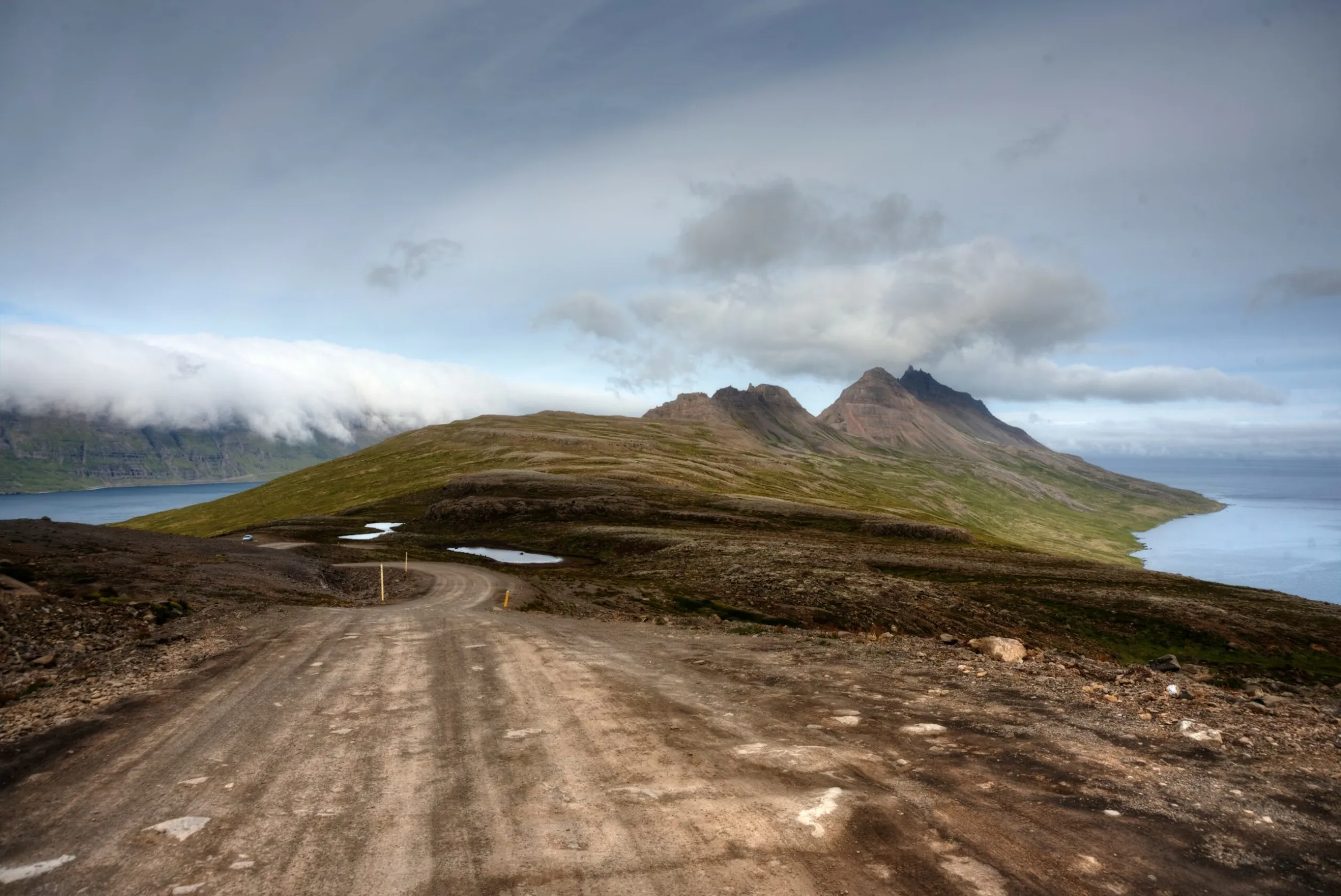
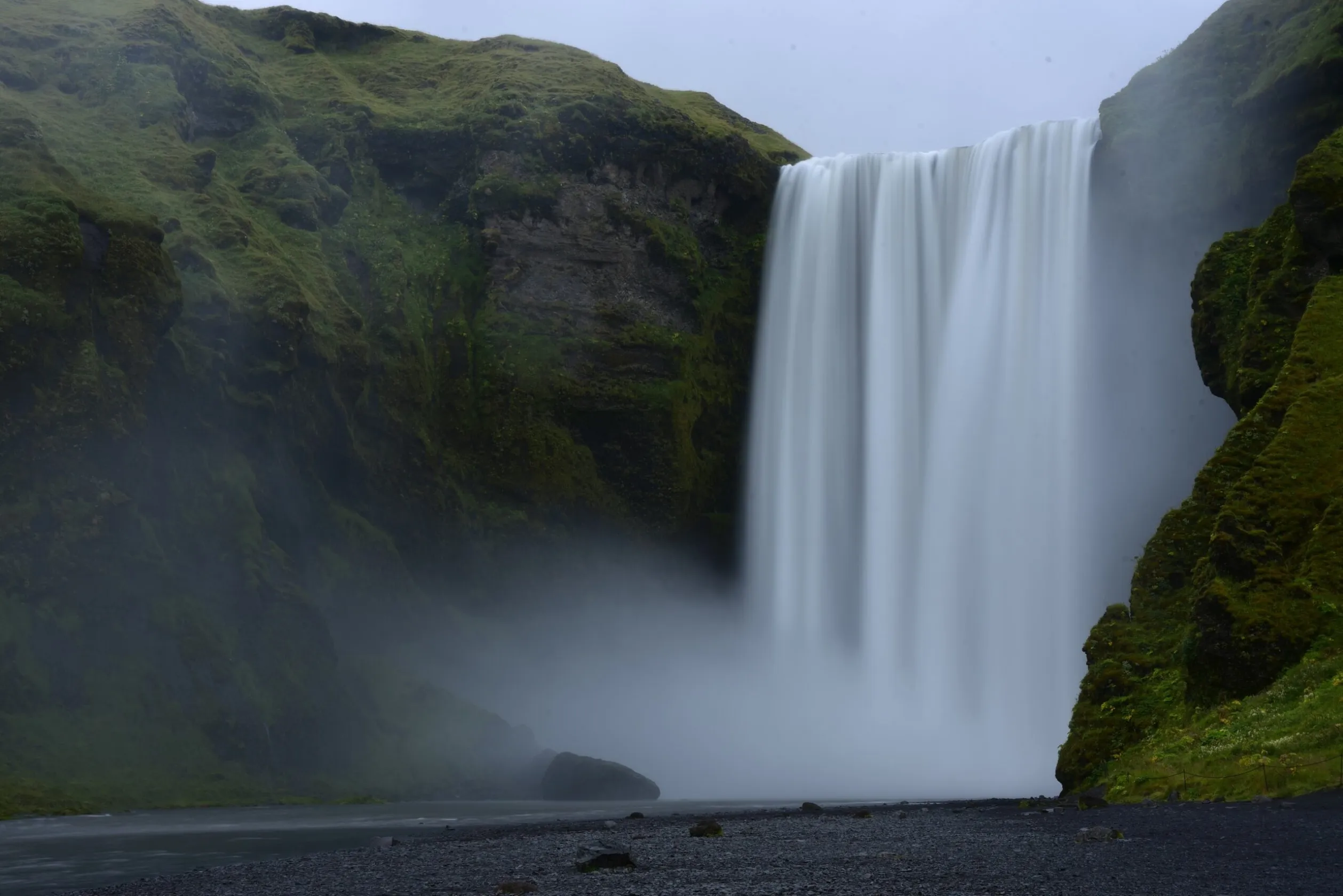
Atmosphere creates emotional connection. A quiet street in morning fog, a storm approaching a mountain road or warm evening light inside a market often says more about a place than a perfectly clean postcard view.
This is why travel photography depends so heavily on observation. Instead of asking only “what should I photograph?”, stronger photographers often ask “what does this place feel like?”
Learning to Slow Down
Modern travel often encourages speed. Many people move quickly from one location to another, trying to see as much as possible in limited time. Photography suffers when travel becomes only a checklist.
Good travel photography usually happens when photographers spend more time in fewer places. Slowing down allows you to notice changes in light, interactions between people, details in architecture and moments that disappear quickly.
Sometimes the best photograph of the day happens not at the famous viewpoint, but while walking back to the hotel after sunset.
Photographing People Respectfully
People are one of the most important elements in travel storytelling. Landscapes and architecture show where we are, but people often explain how a place feels.
However, photographing people while traveling requires sensitivity and respect. Good travel photography is not about treating local people as visual objects. It is about genuine observation and human connection.
In many situations, simple communication changes everything. A smile, a gesture or a short conversation often creates much stronger and more natural photographs than shooting quickly from a distance.
Details Build the Story
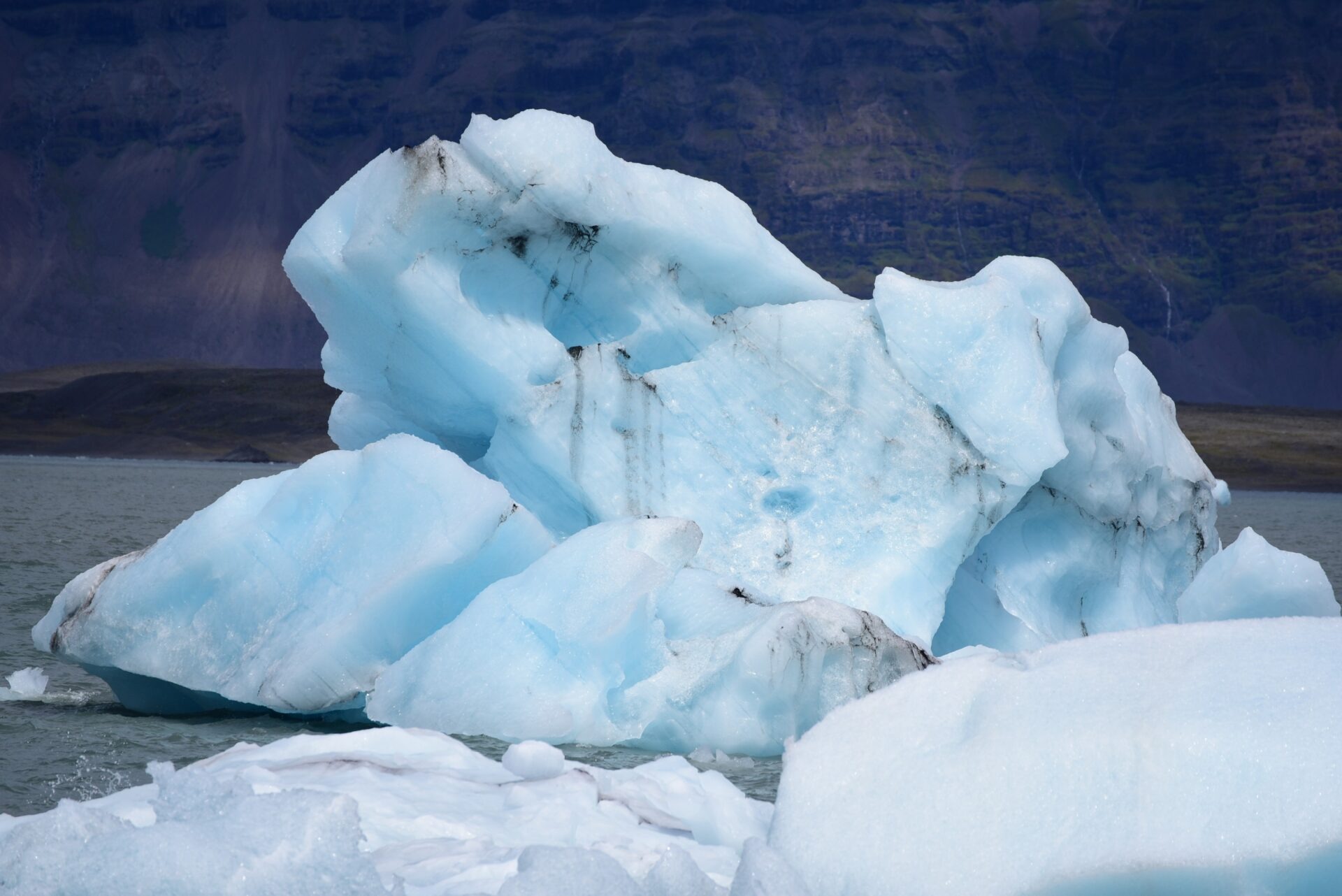
Travel stories are not built only from wide landscapes. Small details often create the strongest sense of place.
Details might include:
- textures of walls and streets,
- food preparation,
- hands at work,
- signs and typography,
- objects inside markets or homes,
- clothing,
- weathered surfaces,
- light entering through windows.
These smaller photographs connect larger scenes together and create rhythm inside a visual story.
Light Creates Emotion
In travel photography, light is often more important than the subject itself. The same street, market or landscape can feel completely different depending on weather and time of day.
Morning light often creates quieter and softer images. Evening light adds warmth and atmosphere. Rain, fog and clouds can introduce mood and mystery.
Photographers who pay attention to light usually return with more emotional and visually consistent travel stories.
Weather Is Part of the Story
Many travelers become frustrated when weather conditions are not perfect. But difficult weather often creates the most memorable images.
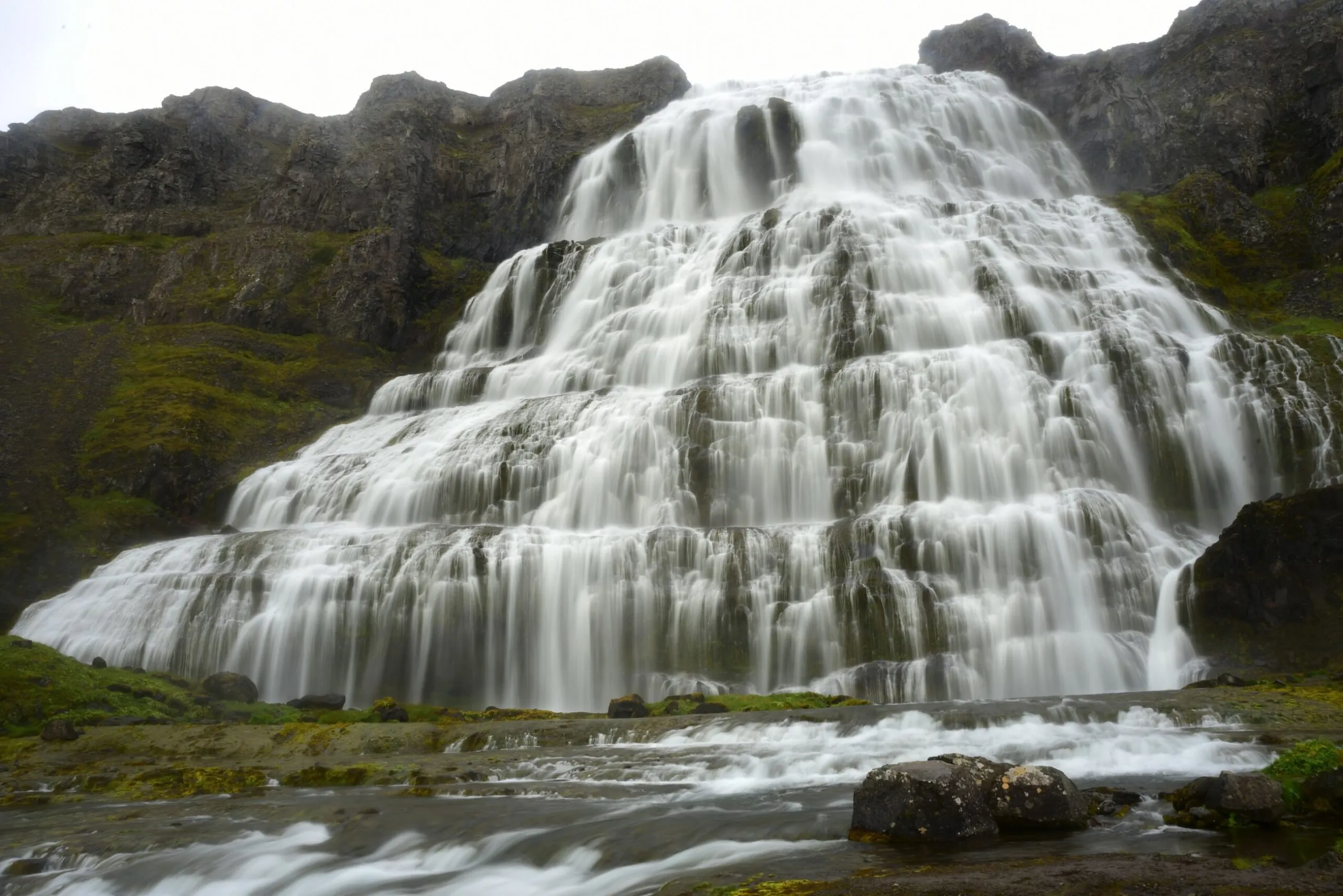
Rain on city streets, mist in mountain landscapes or dramatic clouds before a storm can completely transform travel photography. Instead of waiting only for blue sky, strong photographers learn how to use weather creatively.
Some of the best travel photographs happen precisely because conditions were unpredictable.
Wide Shots, Medium Frames and Details
A good visual story usually includes different types of images working together.
Wide photographs establish the location and atmosphere. Medium-distance photographs show relationships between people and surroundings. Detail shots create intimacy and texture.
When editing travel photographs later, this variety becomes extremely important. A story made only from wide landscapes often feels repetitive, while a mix of perspectives creates rhythm and narrative flow.
Composition in Travel Photography
Travel photography composition should guide the viewer naturally through the image. Simplicity usually works better than trying to include everything at once.
Strong travel compositions often use:
- natural framing,
- leading lines,
- clean foregrounds,
- layers of people and space,
- negative space,
- light and shadow,
- careful timing.
But composition should support the story, not become more important than the moment itself.
Travel Photography Is Also About Editing
One of the most overlooked parts of travel photography happens after returning home. Editing is where individual photographs become a story.
Good editing means selecting images that work together emotionally and visually. Not every technically successful image belongs in the final set.
A strong travel story usually has rhythm:
- opening images that establish place,
- closer moments and details,
- human interaction,
- changes in atmosphere,
- quiet pauses between stronger scenes,
- a natural visual ending.
This process often matters as much as taking the photographs themselves.
Photography Workshops and Learning to See Differently
Travel photography workshops can help photographers move beyond collecting random images. Instead of focusing only on camera settings, workshops teach observation, timing, composition and storytelling.
Many photographers discover during workshops that strong travel images are usually simpler and more personal than they expected. The goal is not only technical improvement. It is learning how to see more consciously while traveling.
This includes understanding how light changes scenes, how weather affects atmosphere and how photographs connect together as part of a larger narrative.
The Role of Patience in Travel Photography
Patience is one of the most important skills in travel photography. Good moments often take time. Light changes slowly. Streets become quieter. People move into the frame naturally.
Returning repeatedly to the same location often produces stronger results than constantly searching for new places.
Travel photography becomes much more interesting when photographers stop chasing only famous images and start observing ordinary life carefully.
Why Personal Vision Matters
Many destinations have already been photographed thousands of times. What makes travel photography meaningful is not only the location itself, but the photographer’s personal way of seeing it.
Two people standing in the same place may create completely different photographs because they notice different details, emotions or relationships between elements.
This is why travel photography becomes more rewarding over time. Experience teaches photographers to trust observation instead of only copying familiar compositions.
Common Mistakes in Travel Photography
- trying to photograph everything,
- moving too quickly between locations,
- focusing only on famous landmarks,
- ignoring weather and atmosphere,
- taking many similar wide shots,
- forgetting details and human moments,
- overediting photographs,
- thinking only about single images instead of visual storytelling.
Travel Photography as Memory and Interpretation
Photography does not only record travel. It also interprets it. Every choice of light, framing, timing and editing shapes how a place is remembered.
This is why meaningful travel photography feels personal. The goal is not to prove that you visited a location. The goal is to communicate what the experience felt like.
Sometimes the strongest photograph from a trip is not the most spectacular scene, but the image that best captures the mood of the journey.
Frequently Asked Questions
What makes travel photography different from regular photography?
Travel photography combines landscape, documentary, street and cultural photography into a visual story about a place and the experience of being there.
How can I improve storytelling in travel photography?
Focus on atmosphere, people, details and sequences of images instead of only famous landmarks. Think about how photographs connect together emotionally and visually.
Do I need expensive equipment for travel photography?
No. Observation, timing and understanding light are more important than expensive gear. Many strong travel stories are created with relatively simple equipment.
Why are details important in travel photography?
Details help create atmosphere and context. They connect larger scenes together and make travel stories feel more personal and immersive.
Should travel photography always include people?
Not necessarily, but people often add emotion, scale and cultural context. Even indirect human presence can strengthen storytelling significantly.
Useful Links
- dfoto.pl – travel and landscape photography
- Travel photography galleries
- Landscape photography portfolio
Conclusion
Travel photography becomes more meaningful when photographers stop thinking only about collecting images and start thinking about storytelling. Strong photographs do more than document locations. They communicate atmosphere, emotion and personal experience.
Returning with a story instead of only photographs requires patience, observation and a willingness to slow down. Light, weather, people, details and quiet moments all become part of the narrative.
The most memorable travel photographs are rarely only about where we went. They are about how the journey felt.