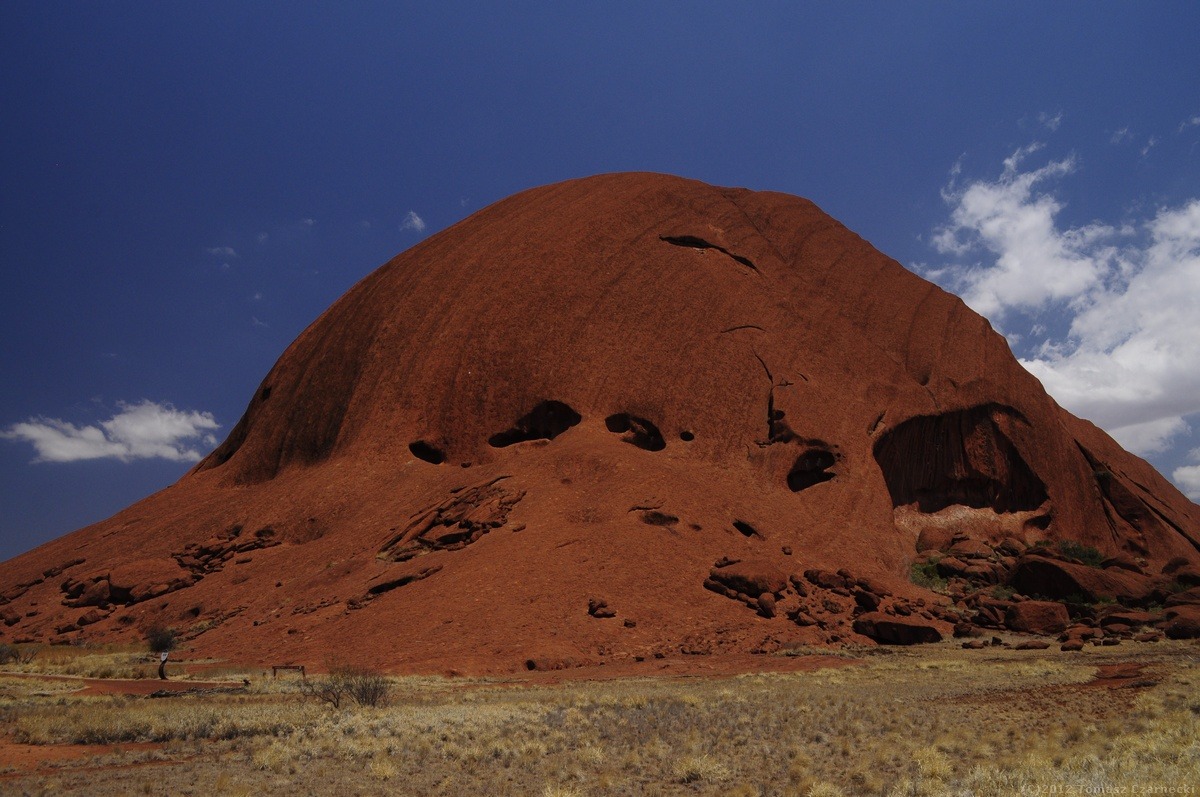
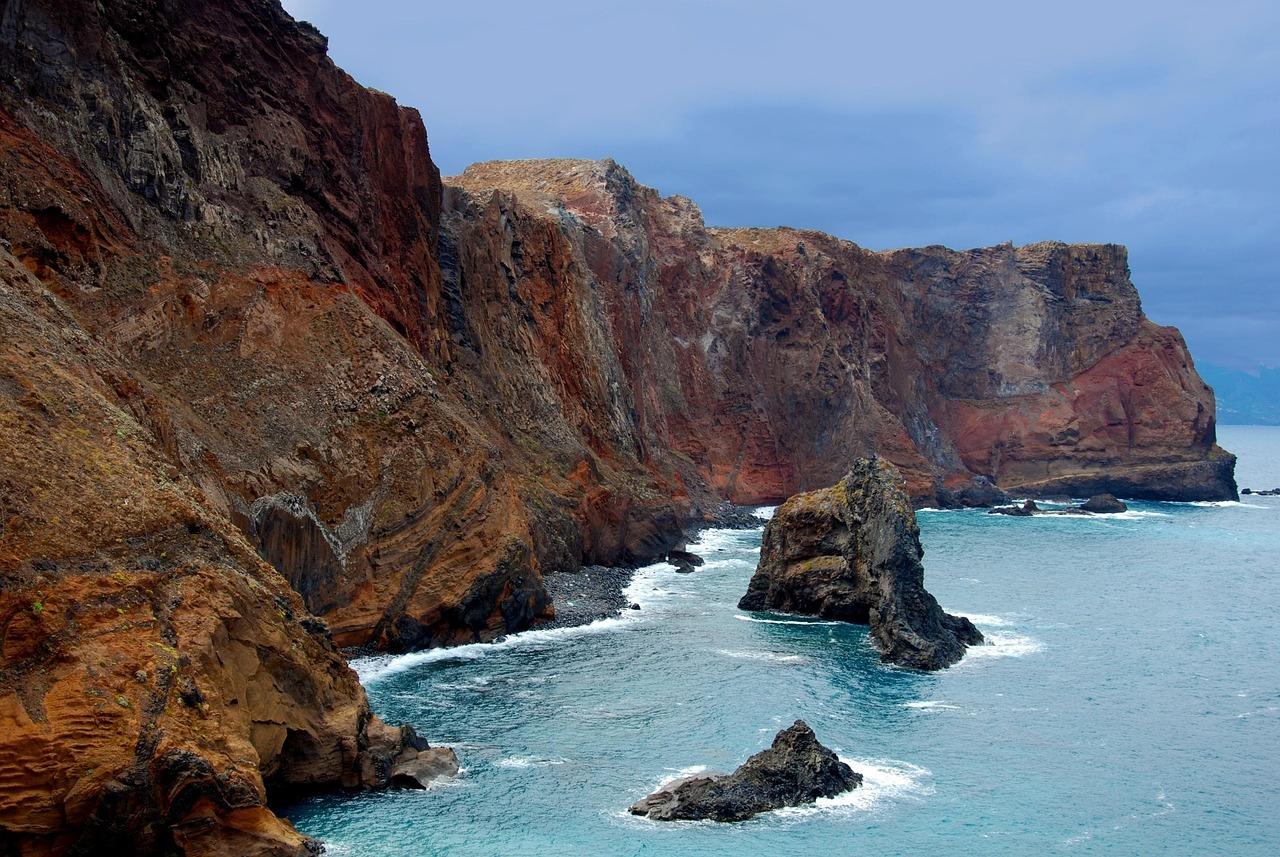
 There are places in the world where it is easy to understand that the Earth is neither motionless nor finished. Volcanoes remind us that the planet is constantly changing. Lava creates new land, the ground cracks, steam rises from beneath the surface, and a landscape can look different than it did only a few months earlier. This is exactly why volcano expeditions are among the most extraordinary travel and photography experiences.
For many people, the first encounter with an active volcano is difficult to describe. It is not just the sight of a mountain. It is the experience of space, heat, the smell of sulfur, the sound of wind over a lava field, or the awareness that beneath your feet lies a place that is still geologically alive. Volcanic landscapes can be beautiful, austere and unsettling at the same time.
Volcano expeditions combine landscape photography, trekking, geology and adventure. These are journeys for people who want to see places shaped by the most primal processes of our planet.
Why Do Volcanoes Fascinate Travelers and Photographers?
Volcanoes create some of the most unusual landscapes on Earth. Lava fields, craters, fumaroles, volcanic lakes, geysers and black deserts often look more like another planet than a classic tourist landscape.
Light is also extremely important for photographers. Volcanic landscapes react strongly to weather and time of day. Fog, clouds, snow, rain or the light of the setting sun can completely change the character of a place.
Volcanic terrain is often visually minimalist as well. Black rocks, ash, steam and raw geological forms create landscapes that are ideal for photography based on light, texture and space.
Iceland: A Laboratory of Living Geology
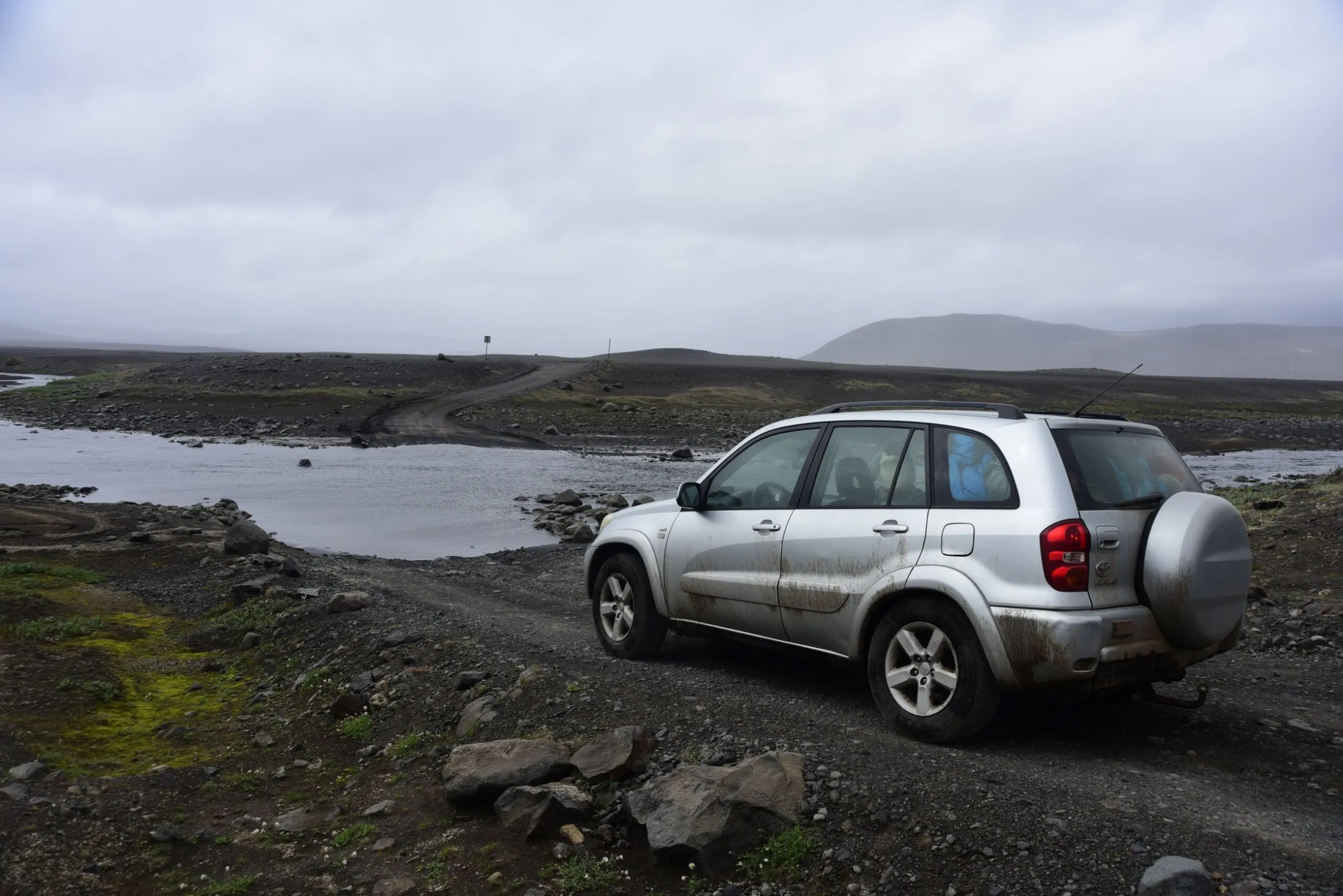
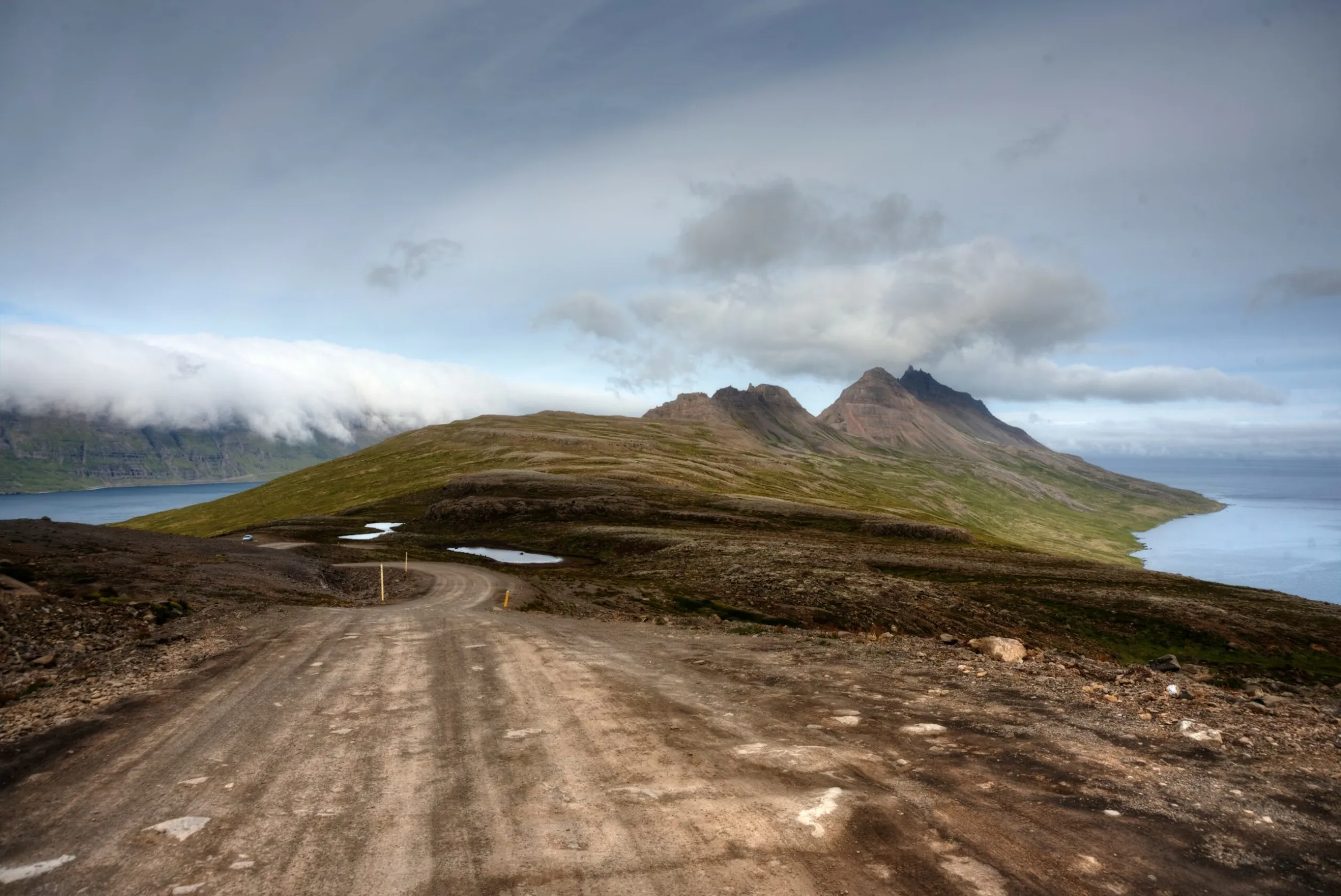
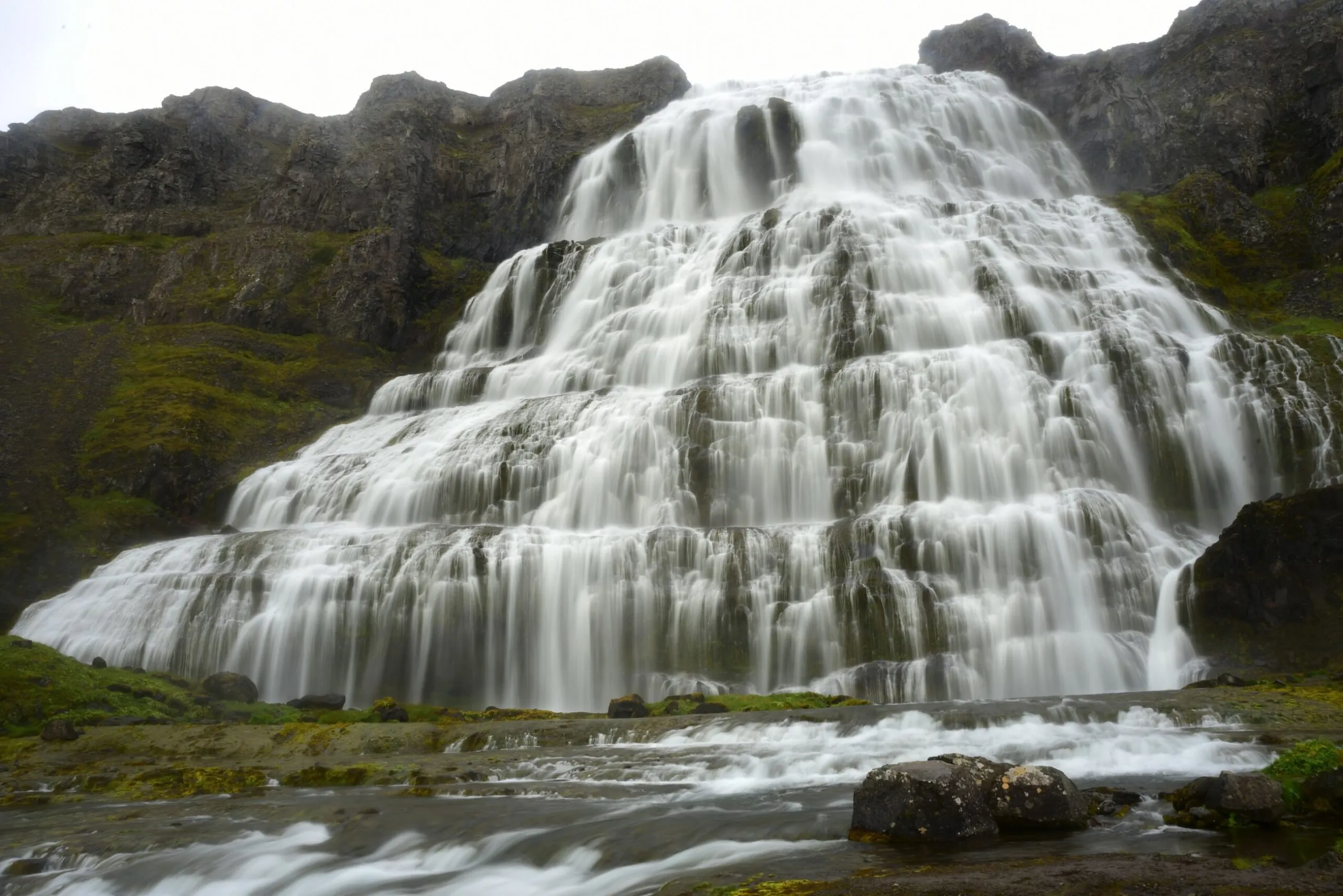
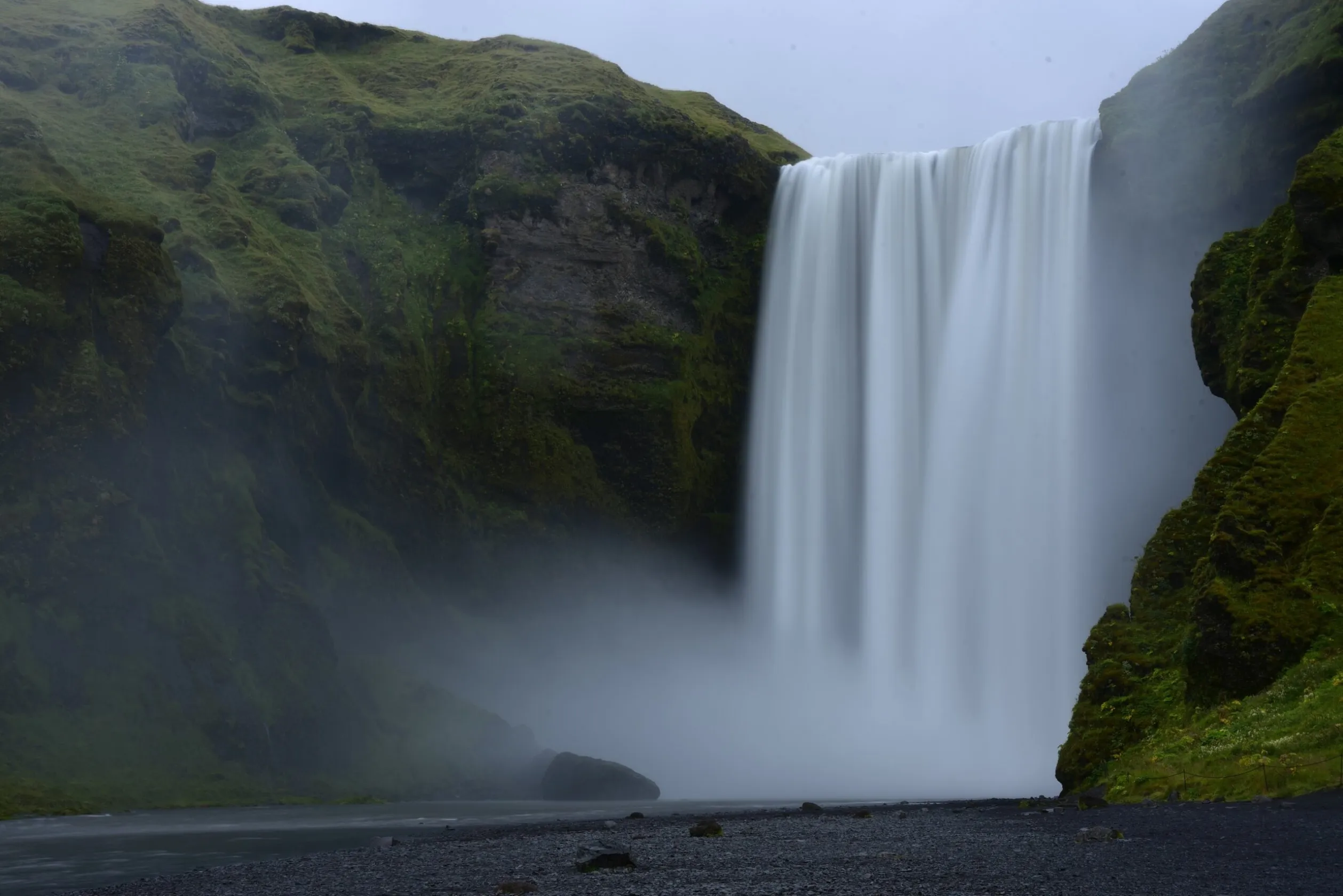
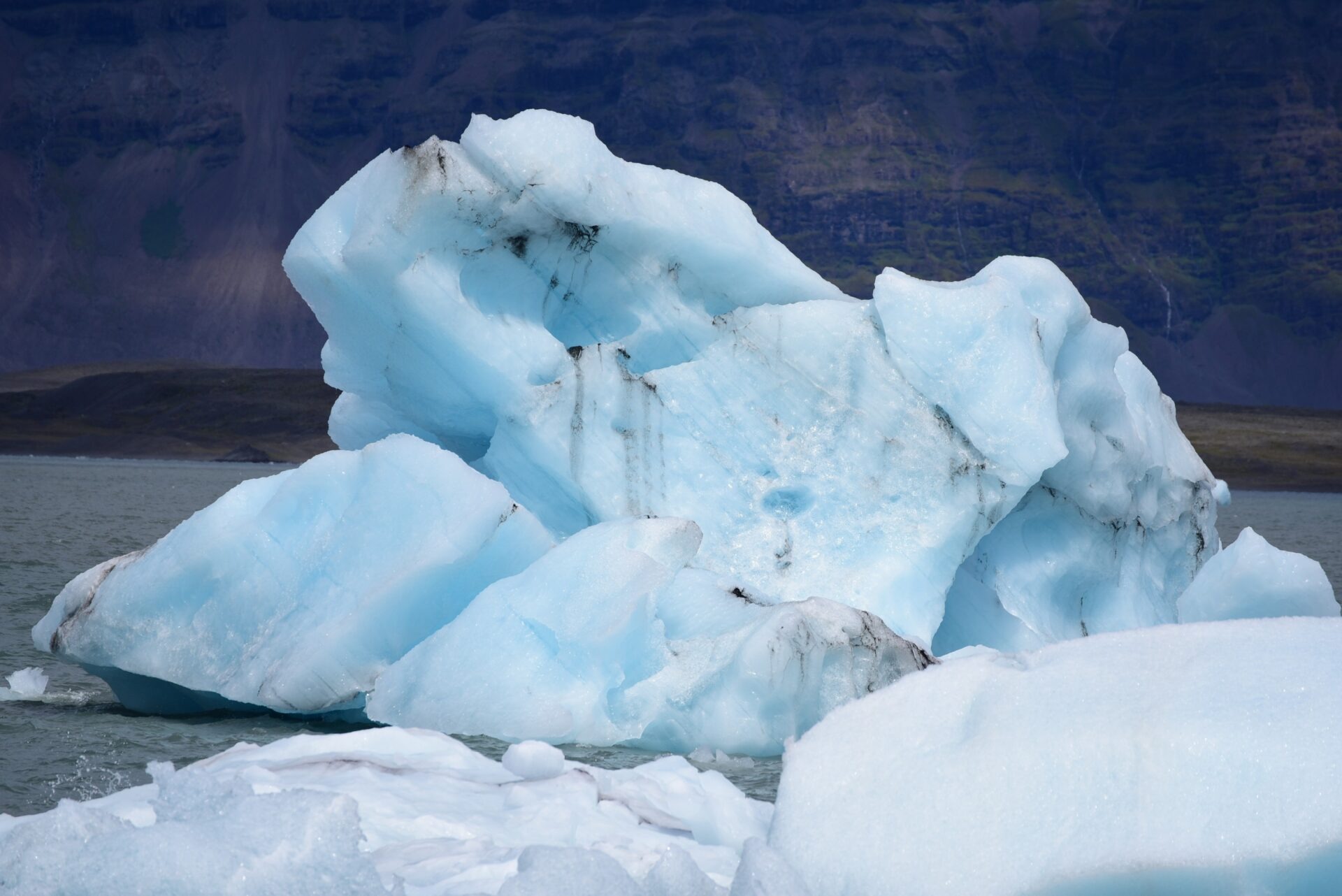
Iceland remains one of the most important destinations for volcano expeditions. It is a place where geological processes are visible almost at every step. Lava fields, active geothermal zones, hot springs and landscapes shaped by eruptions create exceptional conditions for photography and exploration.
Iceland also shows that volcanoes are not just individual mountains. They are entire geological systems that influence the landscape, climate and the way people travel. Many Icelandic routes lead through the interior, lava fields and remote areas where weather and logistics matter enormously.
Photographing Iceland often means working in very changeable conditions: rain, strong wind, snow, fog or extraordinary light appearing for only a few minutes between clouds.
Etna, Stromboli and Sicily
In Europe, Sicily and the Aeolian Islands are among the most fascinating volcanic destinations. Etna and Stromboli make it possible to observe volcanic activity in a much more direct way than in many other places in the world.
Etna is a huge, dynamic volcanic system that regularly changes the landscape. Lava fields, ash and smoke create remarkable photographic conditions, especially at dawn and after sunset.
Stromboli, in turn, offers the possibility of observing almost continuous eruptive activity. Watching lava explosions at night is one of the most extraordinary experiences that can be had during a photography expedition.
Stromboli – night eruptions and the most primal volcanic experience
Stromboli is one of Europe’s most extraordinary active volcanoes and a place that, for many travelers, becomes their first true encounter with living geology. This small island in the Aeolian archipelago has remained almost continuously active for thousands of years, regularly ejecting lava fountains and glowing pyroclastic material.
It is precisely because of this continuous activity that Stromboli is often called the “lighthouse of the Tyrrhenian Sea.” Even from a great distance at night, you can see the flashes of eruptions above the dark cone of the volcano. The sight of glowing lava thrown out in rhythmic explosions is one of the most intense experiences that can be had during a photography expedition.
Unlike many other volcanoes, Stromboli offers a very direct sense of contact with the active Earth. The sound of explosions, the vibrations of the ground, the smell of sulfur and the sight of fresh lava make the landscape stop being just a backdrop for photographs. It is a place that engages all the senses at once.
For photographers, Stromboli is exceptional above all at night. After sunset, the contrast between the dark sky and the red light of the eruptions creates extraordinarily photogenic conditions. Every explosion looks slightly different, so photographing it requires patience, observation and readiness to react quickly.
The most interesting photographs are very often created during longer exposures, when the light of the lava begins to trace the structure of the eruption against the night landscape. At the same time, it remains important to show the scale of the place: the silhouettes of people, the steep slopes, or the sea surrounding the island.
Stromboli also teaches humility in the face of nature. The volcano’s activity changes dynamically, and access to the higher parts of the mountain depends on current conditions and the decisions of the safety services. That is exactly why expeditions to Stromboli require sensible planning, local knowledge and flexibility.
From a photographic point of view, Stromboli is one of those places where not only the image itself matters, but also the atmosphere of the entire expedition: the ascent after dark, the wind, the dust, the انتظار for the next explosion, and the awareness that you are standing on the slope of an active volcano in the middle of the sea.
New Zealand and the Landscapes of a Young Planet
The North Island of New Zealand is another place where geothermal and volcanic activity strongly shape the landscape. Geysers, hot springs, colorful mineral deposits and active geothermal zones create places that resemble a natural geological laboratory. And for me, two places there do stand out – Waimangu Rift Valley and Tongariro.
Waimangu Rift Valley – the youngest geothermal system in the world
One of New Zealand’s most extraordinary geothermal places is Waimangu Volcanic Rift Valley on the North Island. This area was formed relatively recently as a result of the 1886 eruption of Mount Tarawera, which completely transformed the local landscape and created a new geothermal system.
Waimangu looks more like an active geological laboratory than a classic tourist landscape. Hot lakes, fumaroles, steam rising from beneath the ground, intense colors of mineral deposits and vegetation growing around geothermal springs create exceptionally photogenic conditions.
For photographers, the atmosphere of this place is extremely important. Mist, moisture and steam constantly change the character of the landscape. Light appearing between clouds of steam can create very soft and almost surreal photographic scenes.
Waimangu also shows very well that volcanic landscapes are not always raw and black. In New Zealand, geothermal activity often combines with the intense green of vegetation, water and the subtle light typical of the island’s humid climate.
Tongariro – a volcanic landscape like another planet
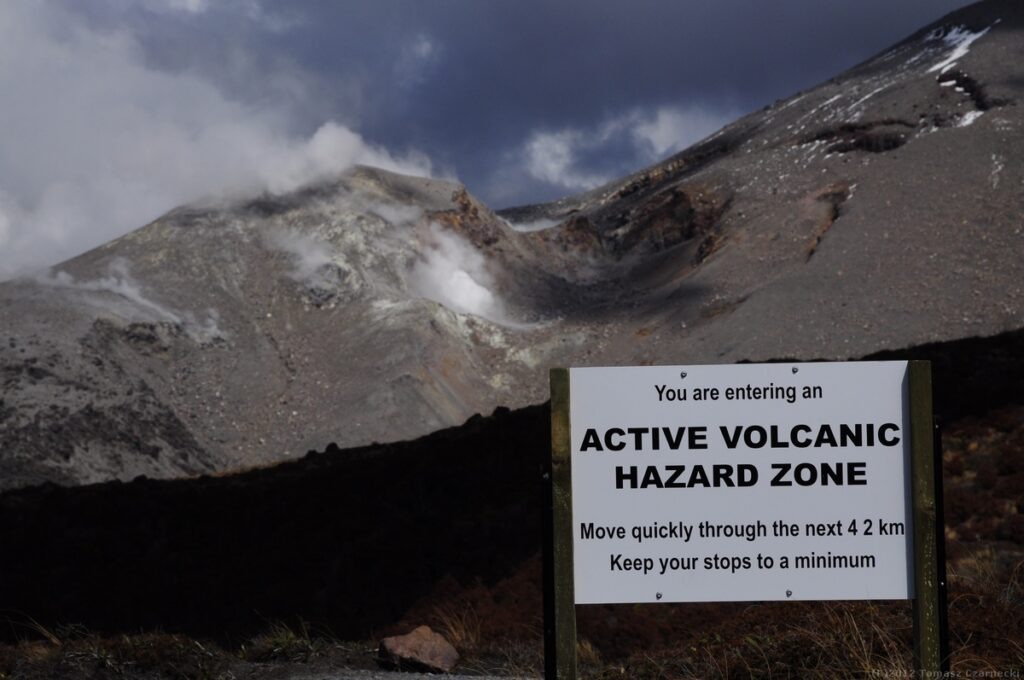
Tongariro National Park is one of the most spectacular volcanic regions in New Zealand and the entire Pacific. It is a place where active volcanoes, lava fields, colorful crater lakes and austere desert landscapes create one of the most extraordinary trekking routes in the world.
The best-known trail is the Tongariro Alpine Crossing, which leads through active volcanic terrain between the Tongariro and Ngauruhoe massifs. The landscapes of this region also became famous thanks to the film trilogy “The Lord of the Rings”, but in reality the place is even more impressive than on screen.
For photographers, Tongariro is extremely interesting because of the contrasts in the landscape. Black lava fields, red rocks, pale mineral deposits and turquoise crater lakes create almost abstract combinations of colors and textures.
The weather in Tongariro changes very quickly. Clouds, mist, wind and sudden clearings are part of the experience of this place. This is why the best photographs are often created there not in perfect weather, but in dynamic and changeable atmospheric conditions.
Tongariro also shows the scale of geological forces in a very direct way. It is a raw, open landscape, at times almost devoid of life, and at the same time exceptionally photogenic. Photographing in such a place becomes not only work with an image, but also an experience of space, silence and the power of nature.
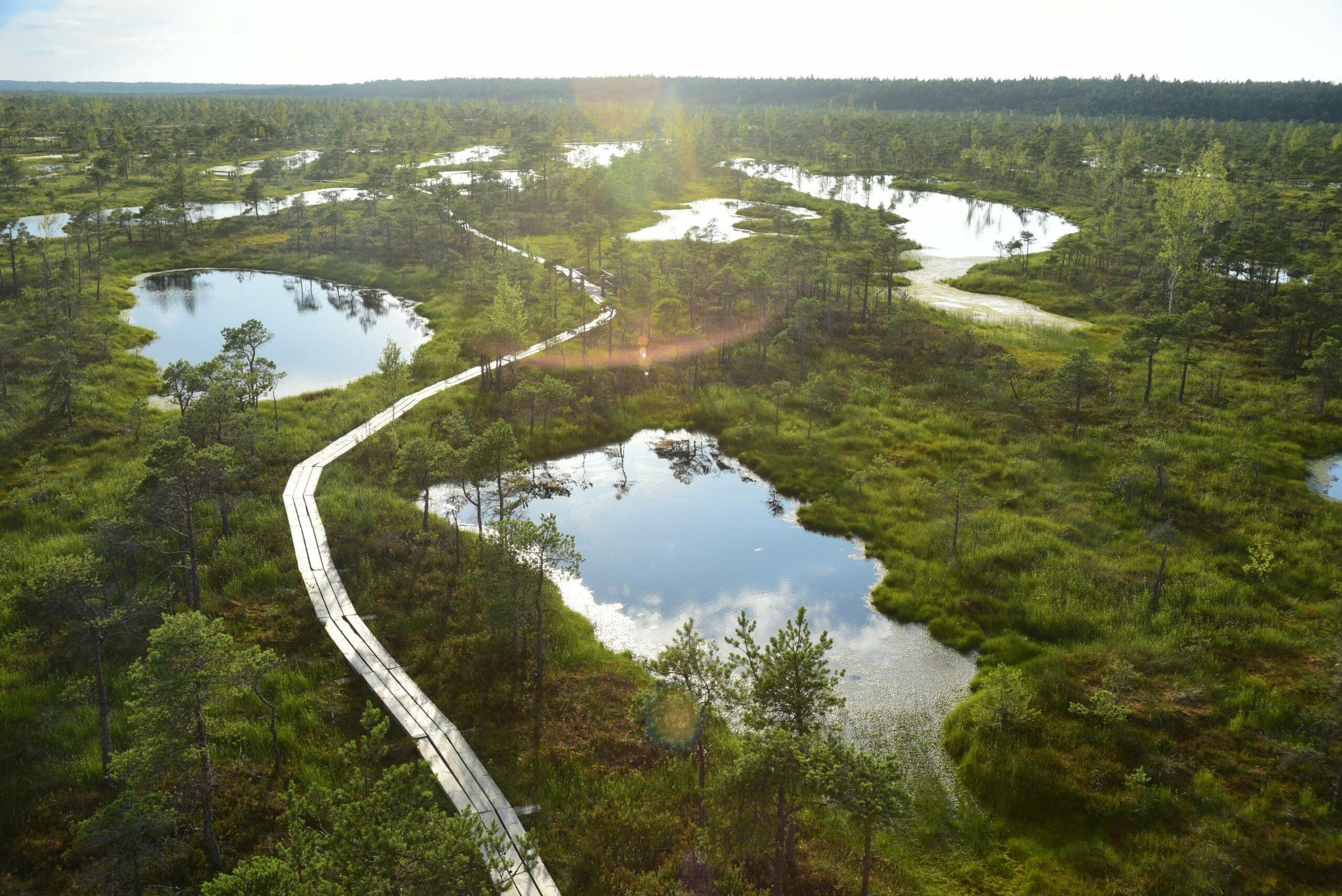
The volcanic landscapes of New Zealand are greener and more humid than Iceland or desert volcanic regions, but they are just as photogenic. It is also an example of a place where weather, clouds and light constantly change the atmosphere of the landscape.
What Is a Volcano Expedition Like?
Volcano expeditions very rarely resemble standard sightseeing. They often require early starts, trekking, working in difficult terrain and readiness for quick changes of plan.
Conditions depend on the location. Sometimes they involve short approaches to a viewpoint, and sometimes many hours of walking across lava fields, dust, rocks or steep slopes.
Weather is also important. Volcanic landscapes are often located in places with very dynamic atmospheric conditions. Strong wind, rain, low temperatures or dust may be part of everyday life during an expedition. In addition, changing wind combined with volcanic activity requires constant monitoring of the surroundings for hazards caused by toxic gases, not to mention keeping a safe distance from craters ejecting volcanic bombs, or monitoring flowing lava so that a safe evacuation route is always available.
Photography of Active Volcanoes
Volcanic photography is one of the most demanding types of landscape photography. On one hand, the landscape can be extremely raw and minimalist. On the other, light and atmospheric conditions change very quickly.
The most interesting photographs are very often created:
- at dawn or after sunset,
- during fog or cloud cover,
- in light reflected from dust and steam,
- during eruptive activity,
- in contrasting weather conditions.
Volcanic landscapes respond well to minimalist compositions, wide open spaces and the use of human scale against the immensity of nature.
Safety During Volcano Expeditions
Although volcano expeditions are adventurous in character, safety remains the most important priority. Active geothermal and volcanic areas require common sense, knowledge of conditions and respect for the rules.
The most important hazards include:
- unstable lava terrain,
- volcanic gases,
- high ground temperature,
- sudden weather changes,
- strong wind,
- lack of infrastructure and long distances.
Good expedition organization means proper equipment preparation, route planning and readiness to change plans if conditions require it.
Volcanoes and Night Photography
Active volcanoes are among the most spectacular subjects for night photography. Glowing lava, smoke illuminated by an eruption and the night sky create extraordinary visual conditions.
Night photography near volcanoes, however, requires patience and caution. Lighting conditions are difficult, and changing eruptive activity makes quick reaction necessary.
The best results come from combining the landscape, the light of lava and elements that show the scale of the place.
Why Are Volcano Expeditions Such an Intense Experience?
Volcanoes affect the imagination in a unique way. These are places where it is easy to feel the scale of geological processes and the power of nature. Volcanic landscapes often look raw, primal and intensely physical.
At the same time, they are extremely photogenic places. Minimalist forms, dynamic light, fog, steam and dark rocks create landscapes that are difficult to mistake for any other region of the world.
It is precisely this combination of adventure, geology, photography and the awareness of being in contact with a living planet that makes volcano expeditions some of the most memorable experiences for many travelers.
Frequently Asked Questions
Are volcano expeditions dangerous?
Well organized expeditions are based on sensible planning and monitoring of conditions. Active areas require caution, but most tourist routes are accessible when safety rules are followed.
Which volcanoes are best for photography?
Iceland, Etna, Stromboli and the geothermal regions of New Zealand are very popular. Each of these places offers a different character of landscape and light.
Do you need trekking experience?
It depends on the specific expedition. Some routes are relatively easy, while others require good fitness and readiness to work in more difficult terrain.
What weather conditions can you expect during such expeditions?
The weather can be very changeable. Strong wind, rain, dust, cold and fog are common elements of volcano expeditions.
Why is volcano photography so unique?
Volcanoes create landscapes with unusual texture, light and atmosphere. They combine minimalism, geology and dynamic conditions that allow photographers to create very distinctive images.
Useful Links
- Eclipses.eu – expeditions and landscape photography
- dfoto.pl – travel and landscape photography
- Iceland photography
- New Zealand photography
Summary
Volcano expeditions are among the most extraordinary forms of travel and landscape photography. They make it possible to see places where geological processes are still active and the landscape is constantly changing.
These are journeys that require greater awareness, patience and preparation, but this is exactly what makes them such an intense experience. Volcanoes remind us that the Earth is not static. It is a planet that is constantly creating itself anew.