Solar Eclipse Expeditions FAQ
This FAQ answers the most common questions about solar eclipse expeditions. It is written for travelers, photographers, and first-time eclipse chasers who want to understand what really matters before joining or planning an eclipse trip.
Basic Questions About Solar Eclipse Expeditions
What is a solar eclipse expedition?
A solar eclipse expedition is a journey planned around observing a solar eclipse from the best possible location. The goal is not only to reach a country where the eclipse is visible, but to choose a specific observation site with good weather prospects, safe access, an open view of the Sun, and enough flexibility to react if conditions change.
Why do people travel so far to see a solar eclipse?
Total solar eclipses are rare from any single location on Earth. The path of totality is narrow, and each eclipse crosses different parts of the world. Travelers often need to go to another country or continent to stand inside the Moon’s shadow and see the solar corona.
What is the difference between a total, annular, and partial solar eclipse?
During a total solar eclipse, the Moon completely covers the bright face of the Sun for observers inside the path of totality. This is when the solar corona becomes visible. During an annular eclipse, the Moon does not cover the Sun completely, so a bright ring of sunlight remains visible. During a partial eclipse, only part of the Sun is covered.
A total eclipse is the most dramatic type visually, but annular eclipses can also be spectacular, especially when photographed with a strong landscape or architectural foreground.
Why is totality so important?
Totality is the short period when the Sun is fully covered by the Moon. It is the moment when daylight fades, the sky changes, the temperature may drop, and the solar corona appears around the dark Moon. A deep partial eclipse can be impressive, but it is not the same experience as totality.
Can I see totality if I am just outside the path?
No. To see totality, you must be inside the path of totality. Even a location just outside the path will see only a partial eclipse. This is one of the most important rules of eclipse travel.
Planning an Eclipse Trip
How early should I start planning a solar eclipse expedition?
For major eclipses, it is smart to begin planning at least one year in advance. For popular destinations, planning even earlier is better. Accommodation, rental cars, guided tours, and the best observation bases may sell out long before the eclipse date.
What should I book first?
Start with the things that become limited fastest: accommodation inside or near the path of totality, flights, rental cars, and organized expedition places. After that, refine the exact observation site, backup routes, and photography plan.
Should I choose the place with the longest totality?
Not always. Longer totality is attractive, but it is not the only factor. A slightly shorter totality under clear skies is better than a longer totality behind clouds. Weather, access, horizon, and mobility are often more important than gaining a few extra seconds.
Is it better to travel independently or join an organized eclipse expedition?
Both options can work. Independent travel gives more freedom and flexibility, especially for experienced travelers who are comfortable with weather decisions and last-minute movement. An organized expedition can reduce stress by handling transport, accommodation, timing, logistics, and local planning.
How many days should I arrive before the eclipse?
Arriving at least one or two days before the eclipse is strongly recommended. This gives you time to check the local area, scout possible observation sites, buy supplies, understand road access, and follow the final weather forecast. Arriving on eclipse day is risky.
Do I need a backup plan?
Yes. A backup plan is one of the most important parts of eclipse travel. Clouds, fog, haze, road closures, crowds, or blocked horizons can all affect the final observation. A good backup plan includes alternative viewing sites, road routes, fuel, offline maps, and enough time to move safely.
Choosing the Best Eclipse Viewing Location
What makes a good eclipse observation site?
A good eclipse observation site is inside the path of totality, has strong weather prospects, offers an open view of the Sun, allows safe access, and gives you some mobility if the forecast changes. The best location is not always the most famous or the most scenic one.
Why is the horizon important?
The horizon matters when the eclipse happens near sunrise or sunset. Even if the sky above you is clear, mountains, buildings, trees, haze, or low clouds near the horizon can block the Sun. Before choosing a site, check the Sun’s direction and altitude during the eclipse.
Should I stay on the centerline of the eclipse path?
The centerline usually gives the longest duration of totality, but it is not always the best practical location. A place slightly away from the centerline with better weather, easier access, and a clearer horizon may be a better choice.
Can I watch an eclipse from a city?
Yes, if the city is inside the path of totality and you have an open view of the Sun. Cities offer hotels, transport, restaurants, and medical access, but they can also create problems: buildings, crowds, traffic, restricted areas, and blocked horizons.
Is a remote location better?
A remote location can offer darker skies, open landscapes, and fewer visual obstacles, but it can also mean limited roads, no services, poor mobile signal, and fewer emergency options. Remote sites are best for travelers who are well prepared and self-sufficient.
Weather and Mobility
Why is weather so important during eclipse expeditions?
Weather is often the deciding factor. Totality is short, and a single cloud can block the Sun at the most important moment. This is why experienced eclipse travelers study climate before the trip and follow detailed forecasts in the final days.
What weather factor matters most?
Cloud cover is the most important factor. Thin high clouds may still allow a partial view, but thick low clouds can hide the eclipse completely. For photography, clouds can reduce contrast, soften details, or obscure the corona.
What is the difference between climate and weather in eclipse planning?
Climate is the long-term pattern of a region. It helps you choose a country or area months in advance. Weather is the actual short-term forecast near eclipse day. It helps you choose the final viewing site.
When should I start checking the weather forecast?
Use climate data during early planning. Start checking detailed forecasts about a week before the eclipse. In the final three days, compare several weather sources and pay close attention to cloud cover, wind direction, humidity, haze, and storm risk.
Is it worth renting a car for an eclipse trip?
Very often, yes. A car gives you mobility if clouds threaten your planned site. Even a move of 30 or 50 kilometers can sometimes make the difference between missing totality and seeing it through a clear gap in the sky.
What if the forecast looks bad?
Do not panic. Look at the details. Is the whole region cloudy, or only one area? Are clouds expected all day, or only during part of the morning or afternoon? Is there a drier or clearer zone within driving distance? The best decision may be to move, but sometimes staying put is safer if roads are crowded and the forecast is uncertain.
Safety During Solar Eclipse Observation
Do I need eclipse glasses?
Yes. You need proper eclipse glasses or a handheld solar viewer for the partial phases of a solar eclipse. Regular sunglasses are not safe for looking directly at the Sun.
When can I look at the eclipse without glasses?
You may look without eclipse glasses only during the brief period of totality, and only if you are inside the path of a total solar eclipse. As soon as even a small part of the bright Sun returns, you must use eye protection again.
Do I need eclipse glasses for an annular eclipse?
Yes. During an annular eclipse, the Sun is never completely covered. The bright ring remains visible, so proper solar viewing protection is required throughout the entire event.
Can I use binoculars or a telescope with eclipse glasses?
No. Eclipse glasses are not enough when looking through binoculars, telescopes, spotting scopes, or camera lenses. Optical equipment concentrates sunlight and requires a proper solar filter mounted securely on the front of the optics.
Are children safe at eclipse events?
Yes, if they are supervised carefully. Children should use proper eclipse glasses, put them on before looking up, and look away before removing them. For younger children, indirect viewing methods such as pinhole projectors may be easier and safer.
Photography Questions
Can I photograph a solar eclipse with a smartphone?
A smartphone can capture the people, atmosphere, changing light, and wide landscape during an eclipse. It is not ideal for detailed photos of the solar corona or the solar disc. For that, a camera with manual controls and a telephoto lens is much better.
What camera is best for eclipse photography?
The best camera is one you can operate confidently in manual mode. A mirrorless camera or DSLR with RAW support is ideal. The camera does not have to be the newest model. Reliability, manual control, and practice matter more.
What lens should I use?
For landscape and travel photos, a wide-angle lens works well. For a visible solar disc, a telephoto lens around 200-600 mm is a practical range. For detailed corona photography, longer focal lengths or a telescope can be useful, but they require more preparation and a stable mount.
Do I need a tripod?
Yes, a tripod is strongly recommended, especially for telephoto photography. It helps keep the Sun in the frame, reduces camera shake, and makes it easier to follow a planned exposure sequence during totality.
Do I need a star tracker?
Not always. A star tracker or tracking mount is helpful when using long focal lengths, automatic sequences, or a telescope. For beginners using a shorter telephoto lens, a stable tripod and practiced manual framing may be simpler and safer.
Should I shoot in RAW?
Yes. RAW files give more flexibility when editing the solar corona, highlights, shadows, and changing light. Eclipse lighting can be difficult, so RAW is a better choice than JPEG for serious photography.
What are the basic camera settings for totality?
Use manual mode, RAW format, manual focus, and exposure bracketing. The solar corona has a wide brightness range, so you should take a sequence of exposures from very short shutter speeds to longer ones. Practice the full workflow before eclipse day.
When do I remove the solar filter from my camera?
The solar filter must stay on during all partial phases. It can be removed only during totality, when the Sun is completely covered by the Moon. Put it back on before totality ends.
Travel and Practical Preparation
What should I pack for an eclipse expedition?
Pack eclipse glasses, solar filters, camera equipment, tripod, spare batteries, memory cards, water, sunscreen, hat, snacks, offline maps, printed contact times, warm or weather-appropriate clothing, and a backup power source. For remote locations, bring more water and supplies than you think you need.
Do I need travel insurance?
Travel insurance is strongly recommended for international eclipse expeditions. Check whether it covers cancellations, medical issues, missed flights, rental cars, lost equipment, and changes caused by weather or transport problems.
Will eclipse destinations be crowded?
Popular eclipse destinations can become very crowded. Small towns, rural roads, national parks, islands, and famous viewpoints may receive far more visitors than usual. Book early, arrive early, and avoid depending on last-minute transport.
Can traffic be a serious problem?
Yes. Traffic can be one of the biggest problems on eclipse day, especially before and after totality. Roads that are normally quiet may become congested. Choose a viewing site you can reach early, and do not plan a tight schedule immediately after the eclipse.
Is an eclipse expedition suitable for beginners?
Yes. A beginner can enjoy an eclipse expedition without advanced equipment. The most important things are being inside the path of totality, observing safely, choosing a good location, and preparing for weather. Photography can be as simple or advanced as you want it to be.
Should I focus on photography or simply watching?
If this is your first total solar eclipse, do not spend the entire totality looking at a camera. Set up a simple workflow, take your planned images, but leave a few seconds to look at the eclipse directly during totality. The experience itself is the main event.
Future Eclipse Expeditions
Why is the 2026 eclipse important for European travelers?
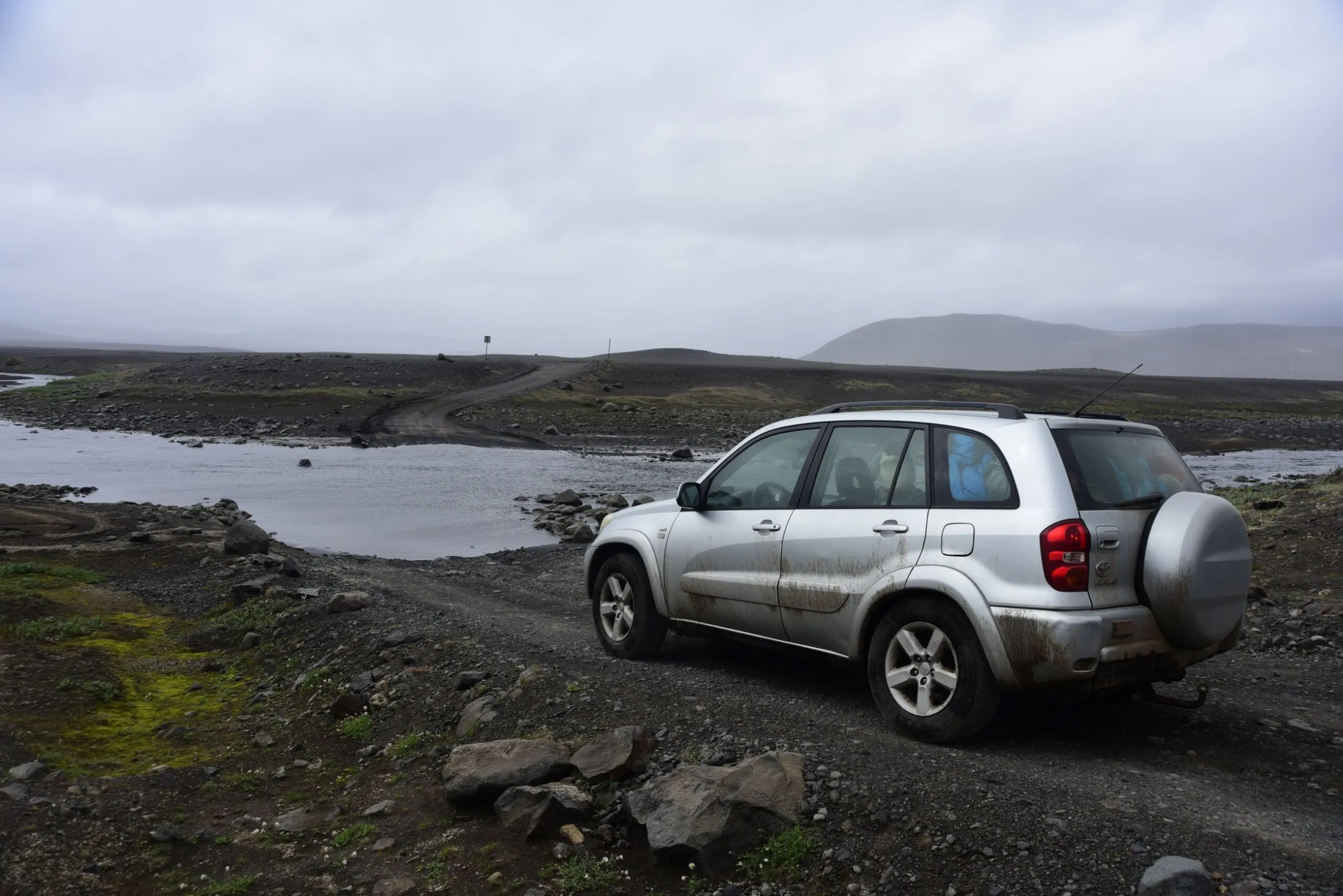
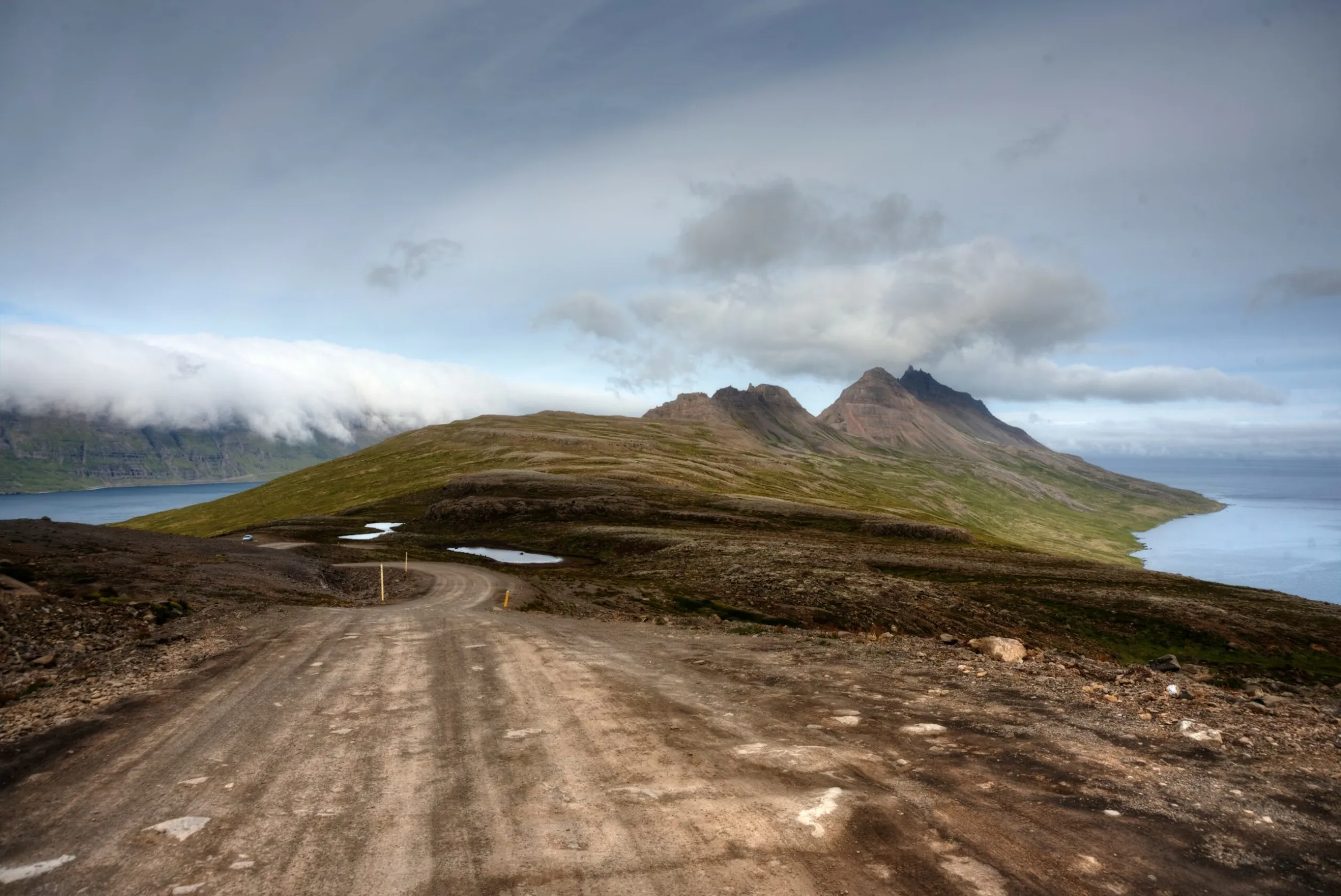
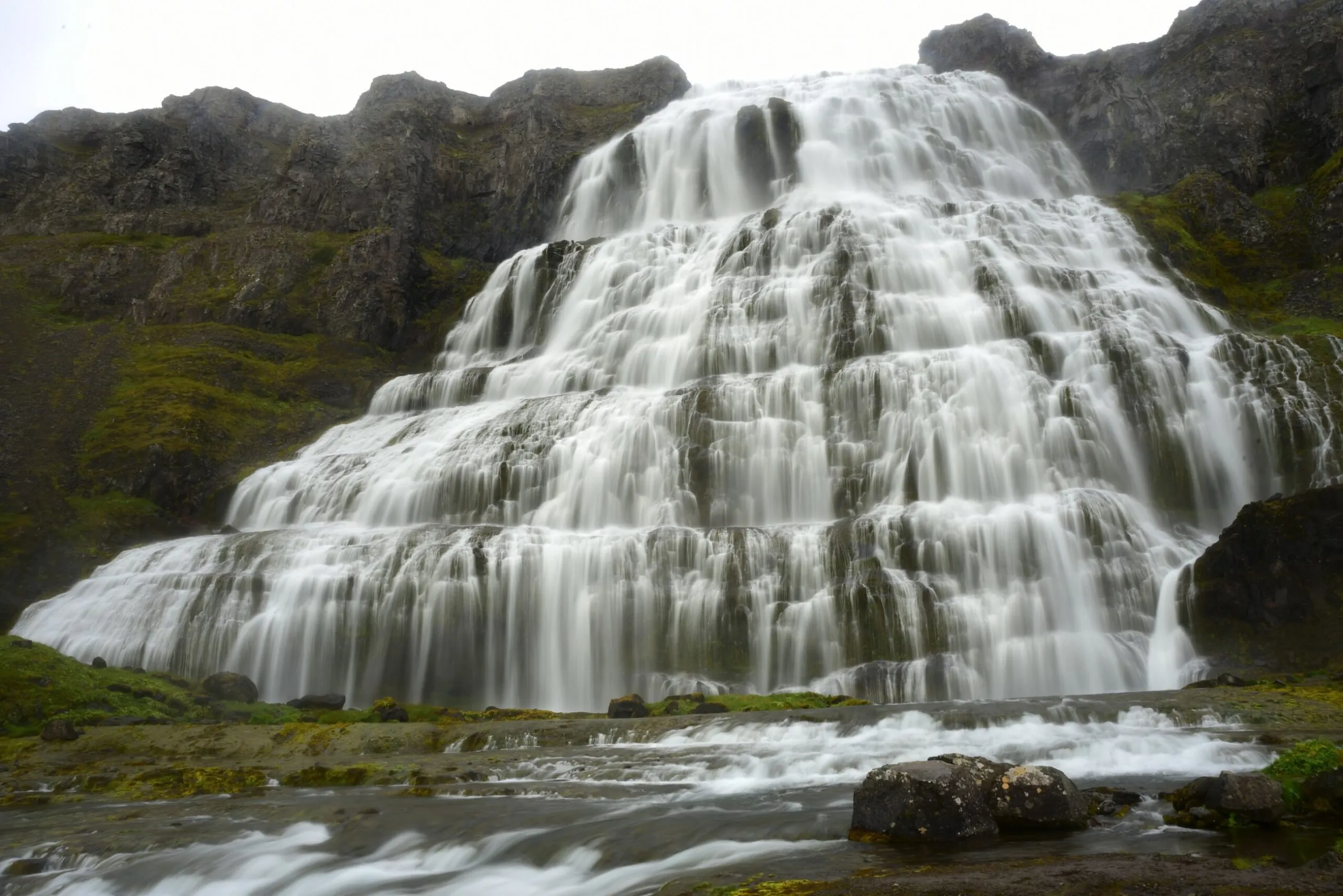
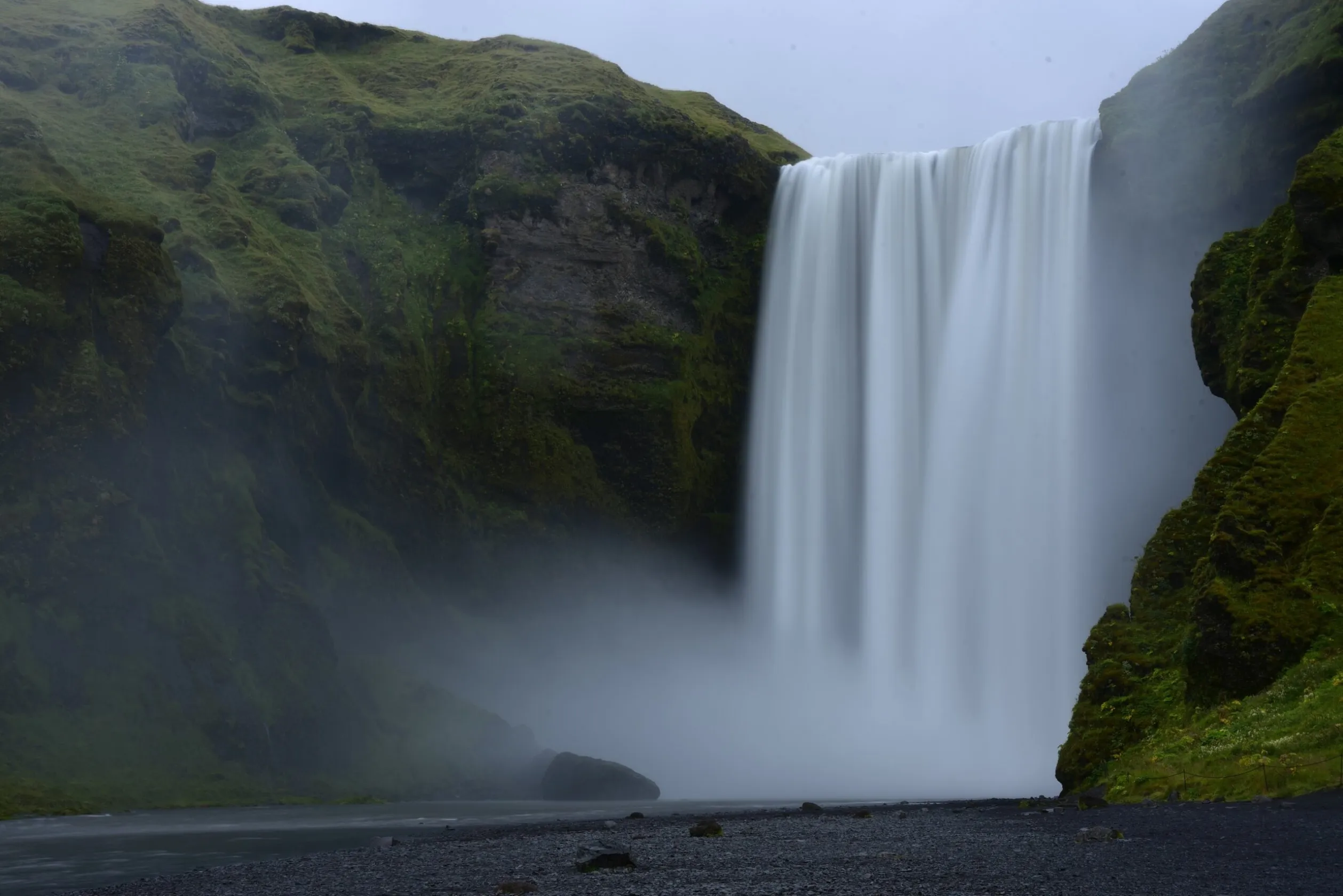
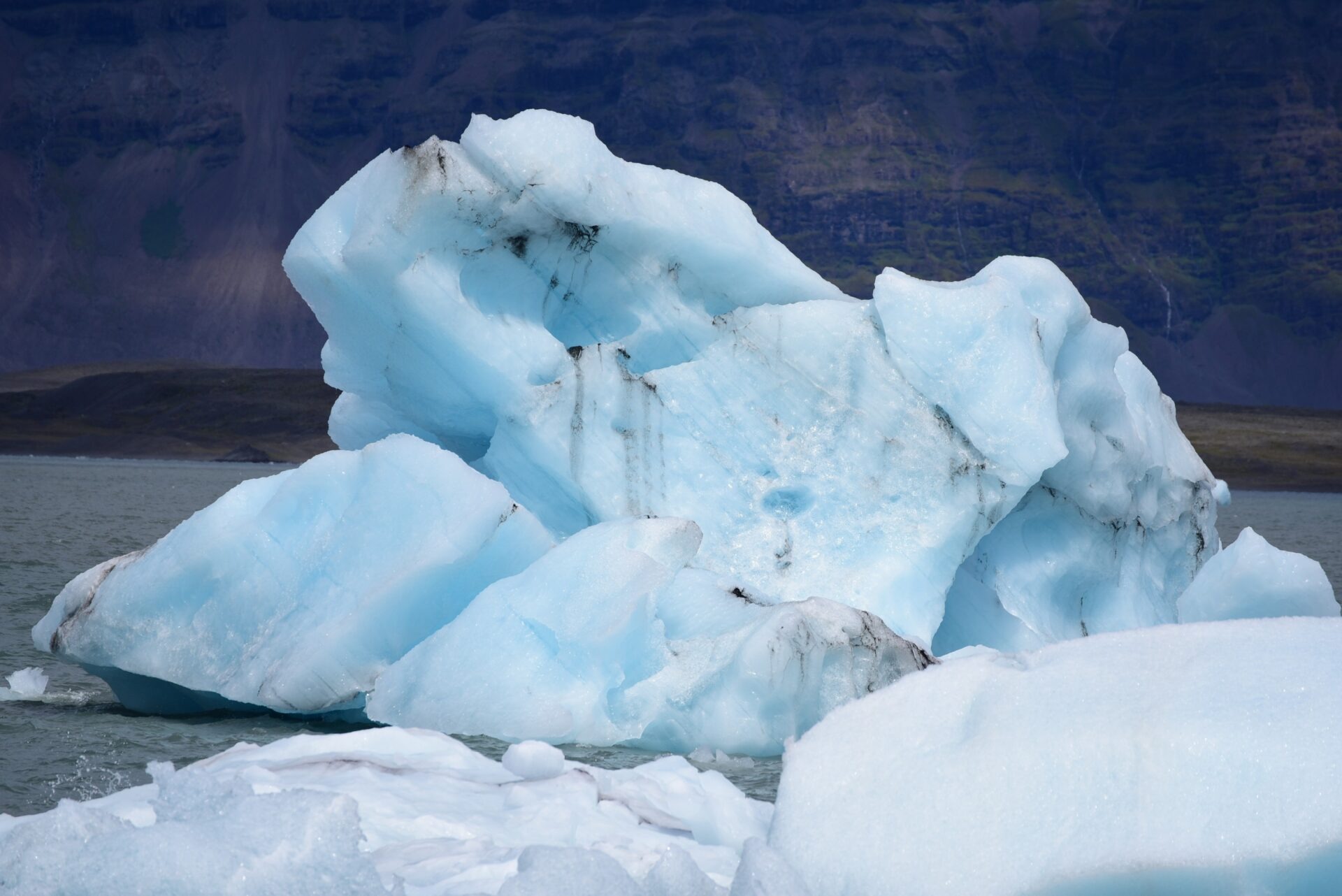
The 2026 total solar eclipse is especially important because the path of totality crosses Iceland and Spain. For many European travelers, it will be one of the most accessible total eclipses in years. Spain offers better clear-sky prospects in many inland areas, while Iceland offers dramatic landscapes and a higher Sun during totality.
Why is Morocco 2027 worth planning early?
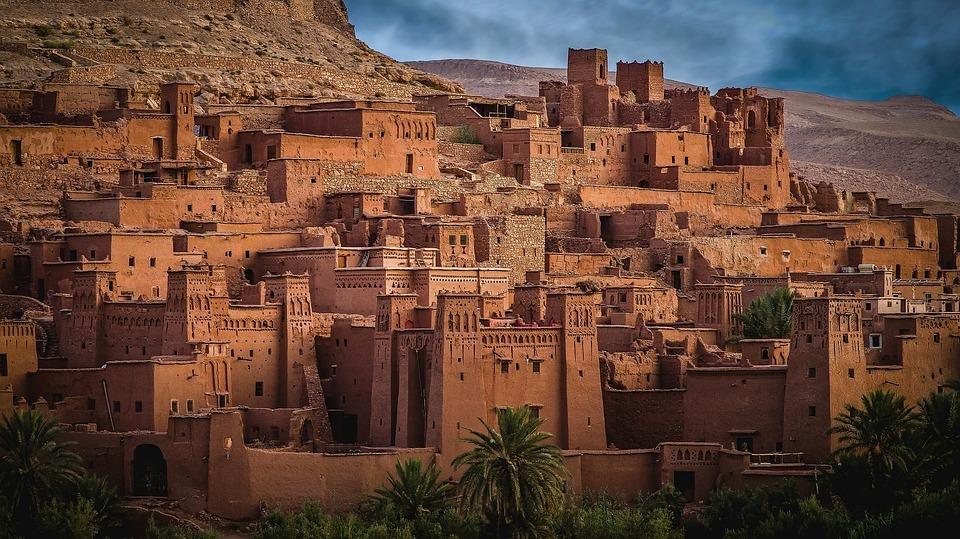
Morocco will be one of the key destinations for the 2 August 2027 total solar eclipse. Northern Morocco offers a strong combination of totality, travel accessibility, culture, landscapes, and photography potential. Because demand is likely to be high, early planning is important for accommodation, transport, guides, and flexible viewing locations.
Why do photographers like eclipse expeditions so much?
Eclipse expeditions combine astronomy, landscape, travel, timing, and emotion. A good eclipse photograph is not only a picture of the Sun. It can include the location, the people, the changing light, the shadow, the horizon, and the story of getting there.
What was one of the most memorable eclipse experiences photographed by Eclipses.eu?
Some of the most memorable photographed eclipses include the annular eclipse over the Pyramid of the Magician in Uxmal, the annular eclipse over Bryce Canyon, and the total solar eclipse in Australia in 2012 west of Cairns. Cloudy eclipses in China and Hungary also showed how important weather, mobility, and persistence can be.
Recommended Reading on Eclipses.eu
- How to Photograph a Total Solar Eclipse – Equipment Selection
- How to Photograph a Total Solar Eclipse – Settings
- Solar Corona Photography, Basics for the Traveller
- Eclipse Viewing Safety: How to Watch a Solar Eclipse Safely
- Why Weather Is the Most Important Factor in Eclipse Expeditions
- How to Choose a Solar Eclipse Observation Location
- The Most Beautiful Solar Eclipses We Have Photographed
- Morocco Solar Eclipse 2027: Why You Should Start Planning Early
Useful External Resources
- NASA Eclipse Information
- American Astronomical Society: Eclipse Eye Safety
- American Astronomical Society: Eclipse Weather and Climate Resources
- Timeanddate Eclipse Maps and Timings
- Eclipsophile: Eclipse Weather and Climatology
Conclusion
A successful solar eclipse expedition is built on preparation. The most important decisions are not only where to go, but where exactly to stand, how to stay safe, how to react to weather, and how to avoid making complicated decisions during the few minutes of totality.
Choose a location inside the path of totality, study the weather, prepare backup sites, protect your eyes, test your photography equipment, and arrive early. A solar eclipse is brief, but with the right planning, the memory can last a lifetime.