El eclipse solar total del 12 de agosto de 2026 será uno de los mayores eventos astronómicos de viaje en Europa. La franja de totalidad cruzará Islandia y España, ofreciendo a los cazadores de eclipses dos opciones muy diferentes: paisajes nórdicos espectaculares con el Sol más alto en Islandia, o un clima más cálido y mejores probabilidades de cielos despejados en España.
Entonces, ¿dónde es mejor observar el eclipse solar de 2026: en Islandia o en España? Para la mayoría de los viajeros, España es la opción más segura por el clima. Para fotógrafos y viajeros que buscan un paisaje más inusual, Islandia puede resultar más tentadora, pero implica un mayor riesgo de nubes.
Respuesta rápida: España es mejor para cielos despejados, Islandia es mejor para paisajes
Si tu objetivo principal es simplemente ver la totalidad, España probablemente sea la mejor opción. Las zonas interiores del norte y noreste de España suelen tener mejor tiempo en agosto y menor riesgo de nubes que Islandia.
Si tu objetivo principal es una experiencia de viaje memorable, Islandia tiene argumentos muy fuertes. El eclipse ocurrirá allí con el Sol más alto en el cielo que en España, y el paisaje puede ser espectacular. El problema es que el clima islandés es mucho menos predecible, incluso en agosto.
La mejor respuesta práctica es esta: elige España si quieres la mayor probabilidad de éxito, y elige Islandia si estás dispuesto a aceptar un mayor riesgo meteorológico a cambio de un escenario más dramático.
El eclipse de 2026: datos básicos para viajeros
El eclipse solar total tendrá lugar el miércoles 12 de agosto de 2026. La totalidad será visible solo dentro de una estrecha franja que cruza partes de Groenlandia, Islandia, el Atlántico, España y una pequeña parte de Portugal. Fuera de esa franja, los observadores verán solo un eclipse parcial.
En Islandia, la totalidad ocurrirá a última hora de la tarde o al comienzo de la noche, dependiendo de la ubicación exacta. En Reikiavik, el máximo del eclipse se espera alrededor de las 17:48 hora local, con una totalidad de aproximadamente 1 minuto. En Ísafjörður, la totalidad durará alrededor de 1 minuto y 31 segundos.
En España, el eclipse ocurrirá cerca del atardecer. En Zaragoza, el máximo del eclipse se espera alrededor de las 20:29 hora local, con una totalidad de aproximadamente 1 minuto y 24 segundos. En Palma, Mallorca, la totalidad durará alrededor de 1 minuto y 36 segundos.
Islandia para el eclipse de 2026
Islandia es uno de los lugares más emocionantes para observar el eclipse solar total de 2026. La franja de totalidad cruza la parte occidental del país, incluidas las zonas alrededor de Reikiavik, la península de Reykjanes, Snæfellsnes y los Fiordos Occidentales.
La mayor ventaja de Islandia es la altura del Sol. Durante la totalidad, el Sol eclipsado estará más alto sobre el horizonte que en España. Esto es importante porque un Sol más alto tiene menos probabilidades de quedar bloqueado por colinas, edificios, bruma marina o capas lejanas de nubes cerca del horizonte.
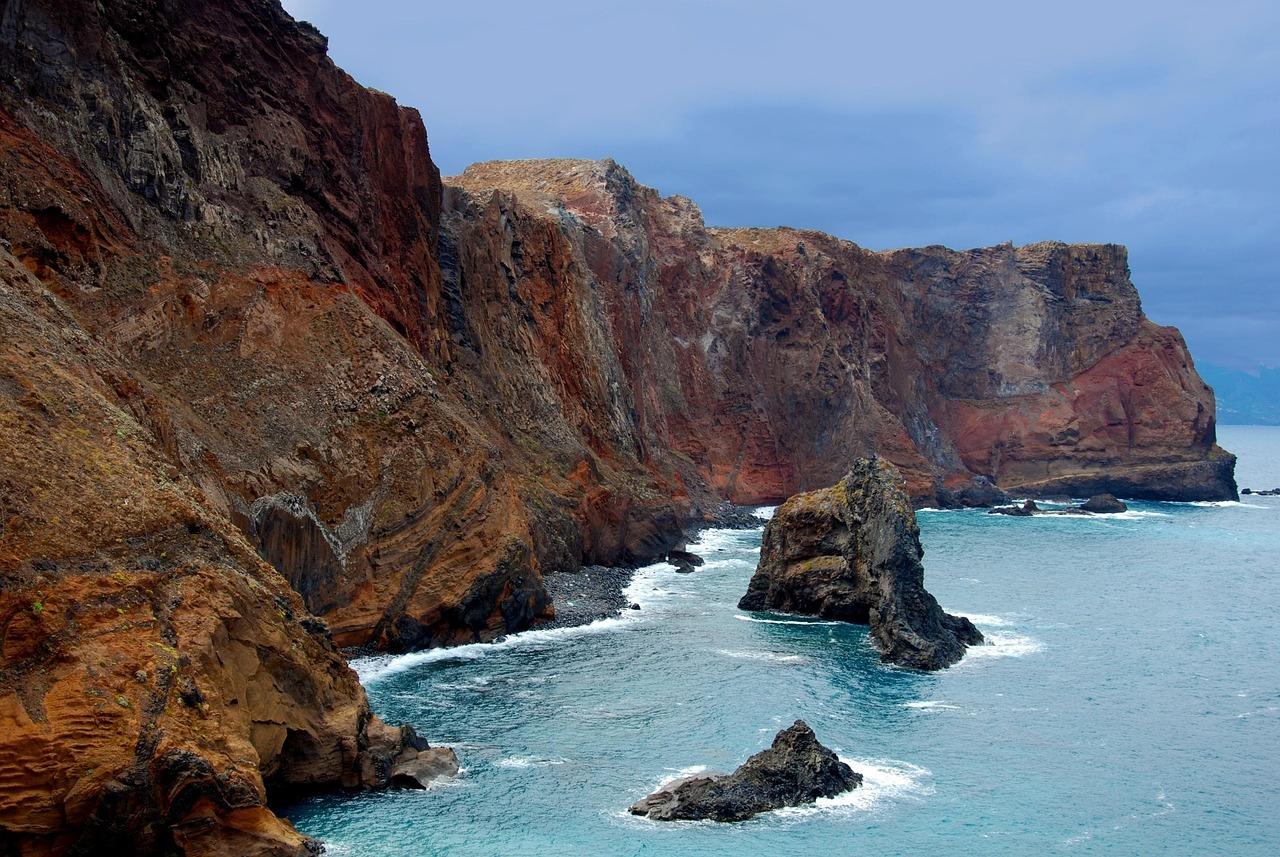
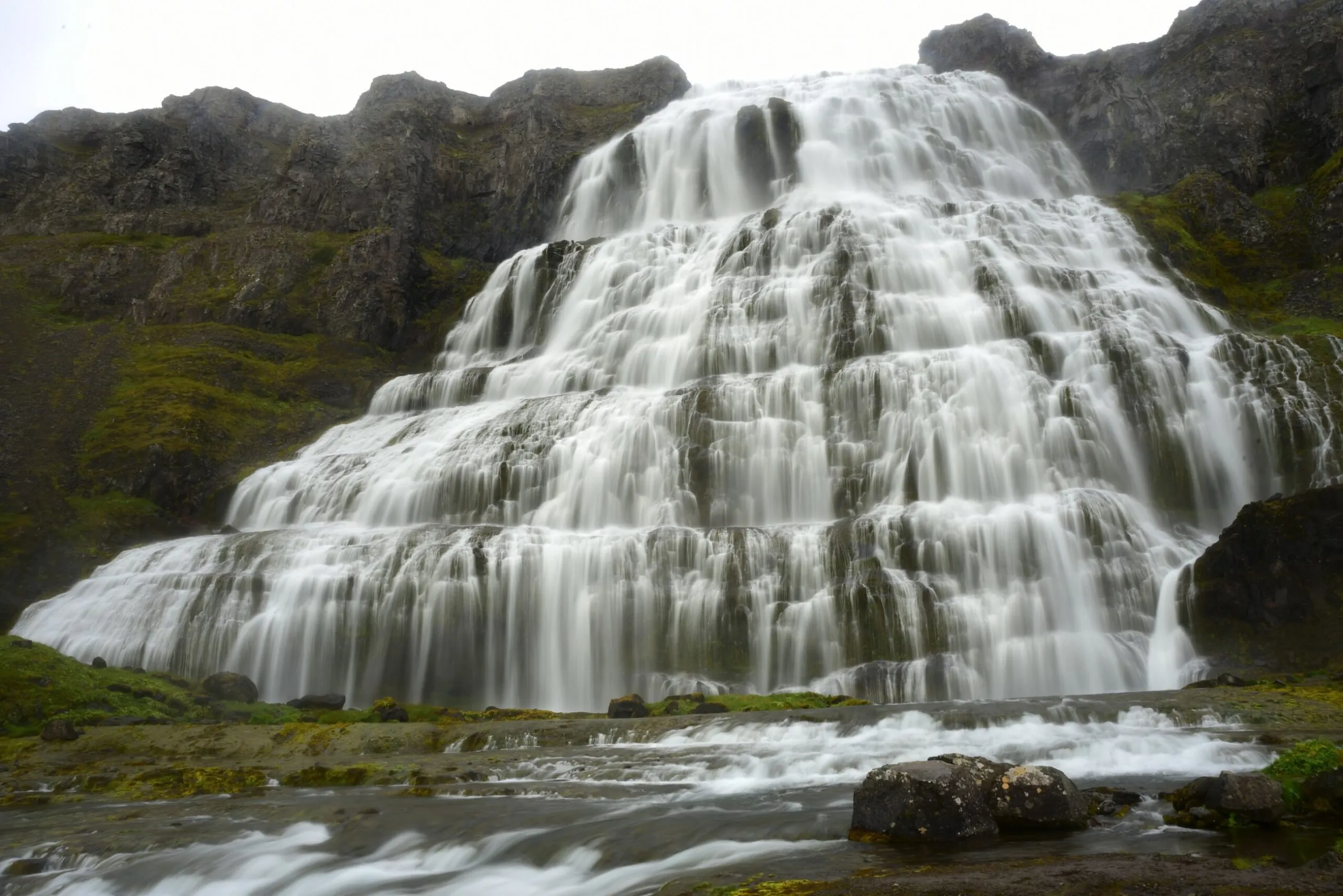
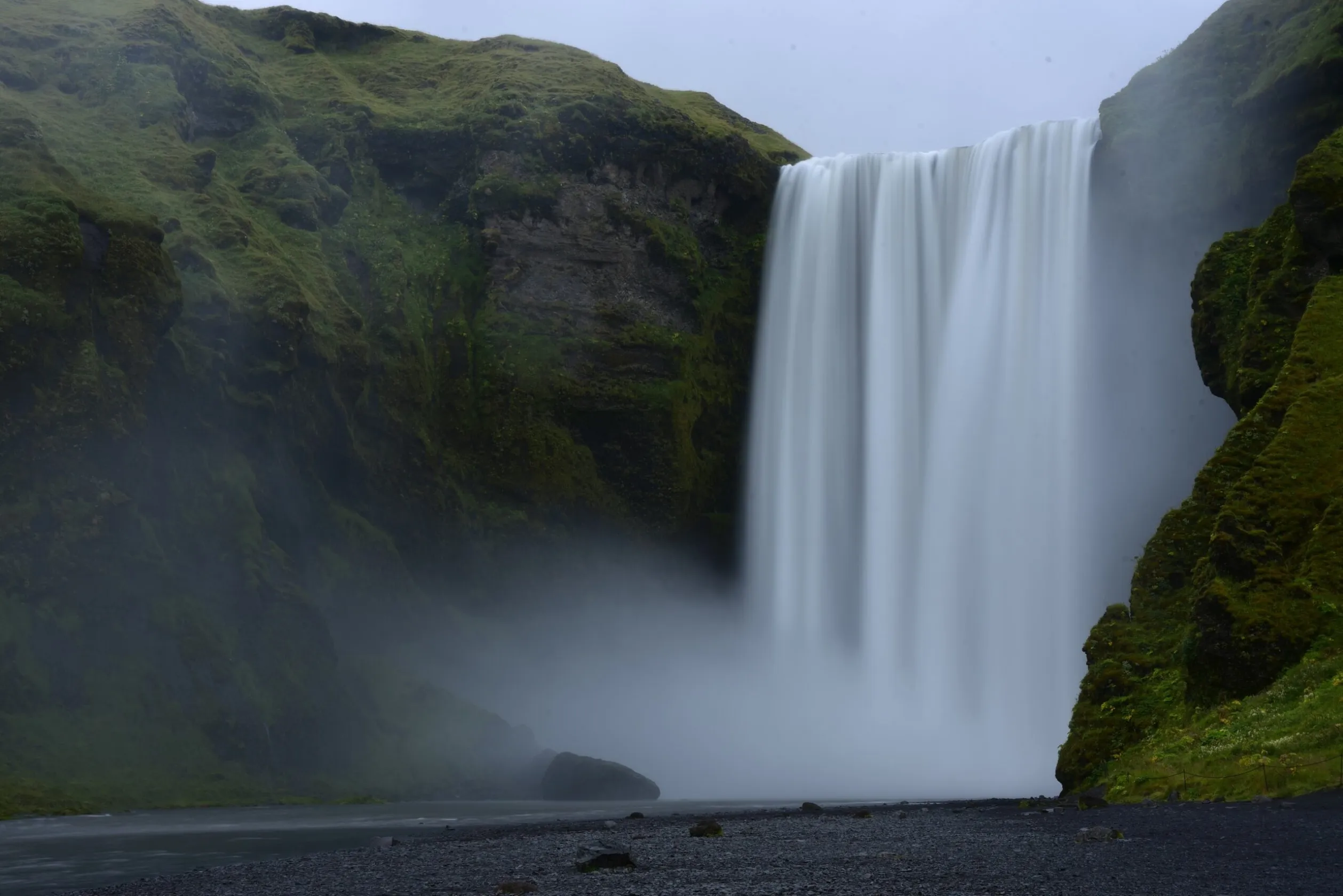
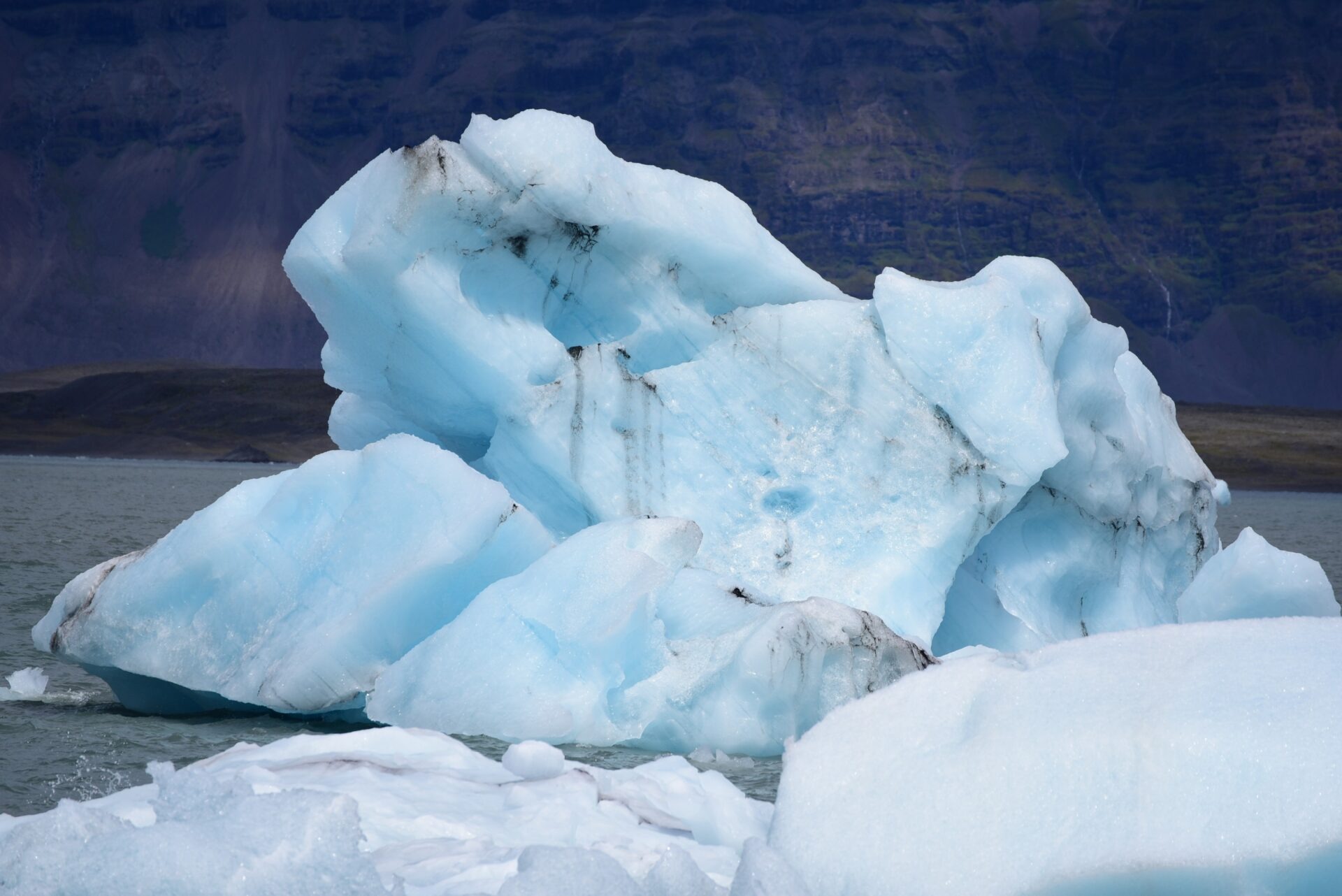
Islandia también ofrece un escenario visual muy potente. Imagina la totalidad sobre campos de lava, acantilados, fiordos, playas negras o paisajes volcánicos. Para los fotógrafos, esta es una ventaja importante.
Ventajas de observar el eclipse en Islandia
- El Sol estará más alto en el cielo que en España.
- El oeste de Islandia ofrece paisajes dramáticos para la fotografía.
- Reikiavik y Keflavik son cómodos para viajeros internacionales.
- Los largos días de verano dan a los viajeros más flexibilidad antes y después del eclipse.
- El evento puede combinarse con un viaje más amplio por carretera por Islandia.
Desventajas de observar el eclipse en Islandia
- El riesgo de nubes es alto, incluso en agosto.
- El tiempo puede cambiar rápidamente y las previsiones locales importan mucho.
- El alojamiento y los coches de alquiler pueden ser caros y limitados.
- Las distancias por carretera pueden ser mayores de lo que parecen en el mapa.
- Algunas zonas escénicas pueden estar muy concurridas durante la semana del eclipse.
Mejores zonas de Islandia para el eclipse de 2026
Buenas zonas de observación en Islandia incluyen Reikiavik, Keflavik, la península de Reykjanes, la península de Snæfellsnes y los Fiordos Occidentales. La mejor elección dependerá en gran medida de la previsión meteorológica en los últimos días antes del eclipse.
Para los viajeros que quieren una logística más sencilla, Reikiavik o Keflavik son bases prácticas. Para quienes buscan una experiencia paisajística más intensa, Snæfellsnes y los Fiordos Occidentales pueden ser más interesantes. Sin embargo, la movilidad es importante en Islandia. Si las nubes amenazan una zona, quizá tengas que desplazarte rápidamente.
España para el eclipse de 2026
España probablemente será la opción más popular para muchos viajeros de eclipses. La franja de totalidad cruza partes del norte de España y también llega a las Islas Baleares. Ciudades y regiones como Zaragoza, La Rioja, Castilla y León, Aragón y partes de la costa norte son relevantes para la planificación.
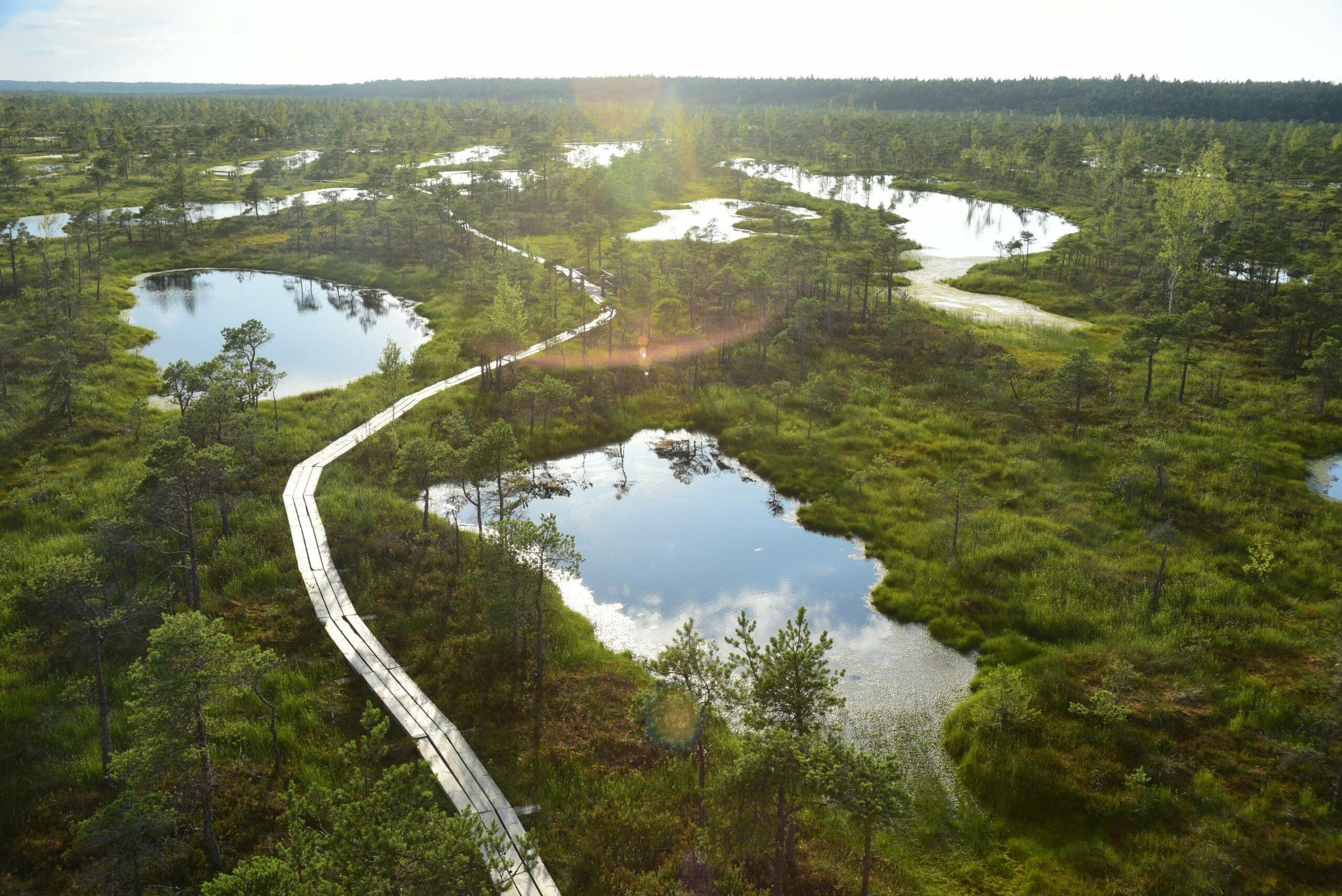
La mayor ventaja de España es el clima. Agosto suele ser seco y soleado en muchas regiones interiores, especialmente en comparación con Islandia. Eso da a España mejores probabilidades de una vista despejada de la totalidad.
El reto es el Sol bajo. En España, el eclipse ocurrirá cerca del atardecer, por lo que los observadores necesitan una vista muy despejada hacia el horizonte occidental. Montañas, edificios, árboles, bruma costera o nubes bajas pueden bloquear el eclipse aunque el cielo sobre tu cabeza esté despejado.
Ventajas de observar el eclipse en España
- Mejor tiempo medio y cielos más despejados que en Islandia.
- Temperaturas más cálidas y condiciones exteriores más fáciles.
- Más opciones de alojamiento, transporte y comida.
- Buenas conexiones por carretera y tren en muchas regiones del eclipse.
- Excelente oportunidad para combinar el eclipse con unas vacaciones de verano.
Desventajas de observar el eclipse en España
- El Sol estará muy bajo cerca del horizonte.
- Necesitas una vista abierta sin colinas, edificios ni árboles en medio.
- Las regiones populares pueden volverse concurridas y caras.
- El calor de agosto puede ser intenso en las zonas interiores.
- El tráfico puede ser pesado cerca de los principales lugares de observación.
Mejores zonas de España para el eclipse de 2026
Para el mejor equilibrio entre potencial de cielos despejados y accesibilidad, el interior del norte y noreste de España parece especialmente atractivo. Zaragoza es una de las opciones prácticas más fuertes porque combina buenas perspectivas meteorológicas, infraestructura urbana y acceso a paisajes abiertos cercanos.
La Rioja, Castilla y León, Aragón y partes del interior del norte de España también pueden ser buenas opciones. Las ubicaciones costeras pueden ofrecer hermosas vistas del eclipse al atardecer, pero también pueden traer riesgos adicionales por bruma marina, nubes bajas u horizontes bloqueados.
Mallorca y las Islas Baleares son atractivas para viajeros que buscan ambiente vacacional, pero la logística insular, los precios del alojamiento y la movilidad limitada deben considerarse con antelación.
Comparación meteorológica: Islandia frente a España
El tiempo es el factor más importante en la decisión entre Islandia y España. Islandia es hermosa, pero la cobertura nubosa es el principal riesgo. El tiempo puede ser muy variable, y los viajeros deben estar preparados para moverse según las previsiones a corto plazo.
España tiene una mejor ventaja climática en agosto. Las zonas interiores tienden a ser más secas y soleadas, exactamente lo que necesitan los cazadores de eclipses. Eso no garantiza un cielo despejado, pero mejora las probabilidades.
Para un viaje de eclipse que puede ser único en la vida, las probabilidades importan. Una ubicación hermosa significa poco si las nubes cubren el Sol durante la totalidad. Por eso España es la recomendación más fuerte para la mayoría de los viajeros.
Altura del Sol y riesgo del horizonte
Aquí es donde Islandia vuelve a entrar en juego. El Sol eclipsado estará más alto en Islandia, lo que facilita verlo por encima de obstáculos locales. Incluso si hay nubes dispersas, un Sol más alto puede darte una mejor oportunidad de encontrar un claro.
En España, el eclipse ocurrirá cerca del atardecer. Eso puede crear una vista espectacular, pero también dificulta la planificación. Debes comprobar la dirección exacta del Sol desde tu punto de observación y asegurarte de que el horizonte esté completamente abierto.
No elijas una ubicación de observación en España solo porque esté dentro de la franja de totalidad. Visita el punto exacto con antelación si es posible, o usa herramientas cartográficas para comprobar el terreno, los edificios, las montañas y la dirección del atardecer.
Logística de viaje: ¿qué país es más fácil?
España suele ser más fácil para la mayoría de los viajeros. Tiene más aeropuertos, más trenes, más autopistas, más hoteles y más pueblos y ciudades dentro o cerca de la franja de totalidad. Esto facilita construir un plan flexible.
Islandia tiene una geografía más sencilla, pero menos carreteras y menos opciones de alojamiento. Muchos visitantes llegarán por el aeropuerto de Keflavik, y es probable que la demanda de hoteles, autocaravanas, excursiones y coches de alquiler sea muy alta.
Si eliges Islandia, reserva pronto y evita depender de una sola ubicación remota. Si eliges España, reserva también pronto, especialmente en pueblos pequeños y regiones escénicas dentro de la franja de totalidad.
Comparación para fotografía
Para fotografía, la elección no es obvia. Islandia ofrece paisajes más potentes y un Sol más alto. Esto puede ser excelente para fotos gran angular del eclipse con primeros planos dramáticos.
España ofrece un clima más cálido y mejores probabilidades de cielo despejado, pero el Sol bajo cambia el tipo de foto que puedes hacer. En lugar de un eclipse alto en el cielo, puedes capturar la totalidad cerca del horizonte, quizá sobre colinas, llanuras, ciudades o el mar.
Si tu objetivo principal es una imagen limpia de la corona con teleobjetivo, los cielos más despejados de España pueden importar más. Si tu objetivo es una imagen paisajística excepcional, Islandia podría valer el riesgo.
Costes y multitudes
Ambos destinos estarán concurridos, pero la presión puede sentirse de manera diferente. Islandia tiene menos habitaciones y menos carreteras, por lo que incluso un número menor de visitantes puede crear cuellos de botella. Los precios de los coches de alquiler y el alojamiento pueden subir bruscamente.
España tiene mayor capacidad, pero los lugares populares de observación aún pueden agotarse. Grandes ciudades cerca de la franja, como Zaragoza y zonas al norte de Madrid, pueden convertirse en bases para muchos viajeros. El tráfico el día del eclipse podría ser un problema serio, especialmente si muchas personas se desplazan en el último momento para perseguir cielos despejados.
¿Quién debería elegir Islandia?
Elige Islandia si quieres una experiencia de viaje única y estás dispuesto a aceptar la incertidumbre meteorológica. Islandia es ideal para viajeros que valoran el paisaje, la fotografía, la aventura y la flexibilidad.
Islandia puede ser la mejor opción si:
- Ya has visto un eclipse solar total y quieres una experiencia diferente.
- Te sientes cómodo cambiando planes por el tiempo.
- Puedes alquilar un coche y mantenerte móvil.
- Quieres escenarios dramáticos para fotografiar el eclipse.
- Prefieres un clima más fresco al calor del verano español.
¿Quién debería elegir España?
Elige España si tu máxima prioridad es realmente ver la totalidad. España ofrece a la mayoría de los viajeros mejores probabilidades de cielo despejado, logística más sencilla y más opciones de viaje.
España puede ser la mejor opción si:
- Este es tu primer eclipse solar total.
- Quieres la mejor posibilidad práctica de cielo despejado.
- Prefieres condiciones más cálidas.
- Quieres acceso más fácil a hoteles, trenes, carreteras y restaurantes.
- Puedes elegir cuidadosamente una ubicación con horizonte occidental abierto.
Veredicto final: ¿Islandia o España?
Para la mayoría de los viajeros de eclipses, España es la mejor opción para el eclipse solar total de 2026. La razón principal es el clima. El interior de España ofrece mejores perspectivas de cielos despejados, y eso importa más que casi cualquier otra cosa el día del eclipse.
Islandia es la opción más dramática y aventurera. Puede ofrecer mejores paisajes fotográficos y un Sol más alto, pero el riesgo de nubes es difícil de ignorar. Si eliges Islandia, construye un plan flexible y prepárate para moverte.
La estrategia ideal es simple: elige España si ver la totalidad es la prioridad. Elige Islandia si el viaje, el paisaje y la atmósfera son tan importantes para ti como el eclipse en sí.
Consejos prácticos de planificación
- Reserva alojamiento lo antes posible.
- Quédate dentro de la franja de totalidad, no solo cerca de ella.
- Comprueba la hora exacta de la totalidad para tu ubicación elegida.
- En España, confirma que el horizonte occidental esté despejado.
- En Islandia, mantente móvil y sigue las previsiones locales de nubosidad.
- Lleva gafas certificadas para eclipses para cada persona de tu grupo.
- Usa filtros solares adecuados para cámaras, prismáticos y telescopios.
- Ten una zona de observación alternativa a distancia de conducción.
- Llega a tu punto de observación varias horas antes.
Sugerencias de texto alternativo para imágenes
- Texto alternativo: Eclipse solar total sobre el paisaje volcánico de Islandia
- Texto alternativo: Viajeros observando el eclipse solar de 2026 en el norte de España
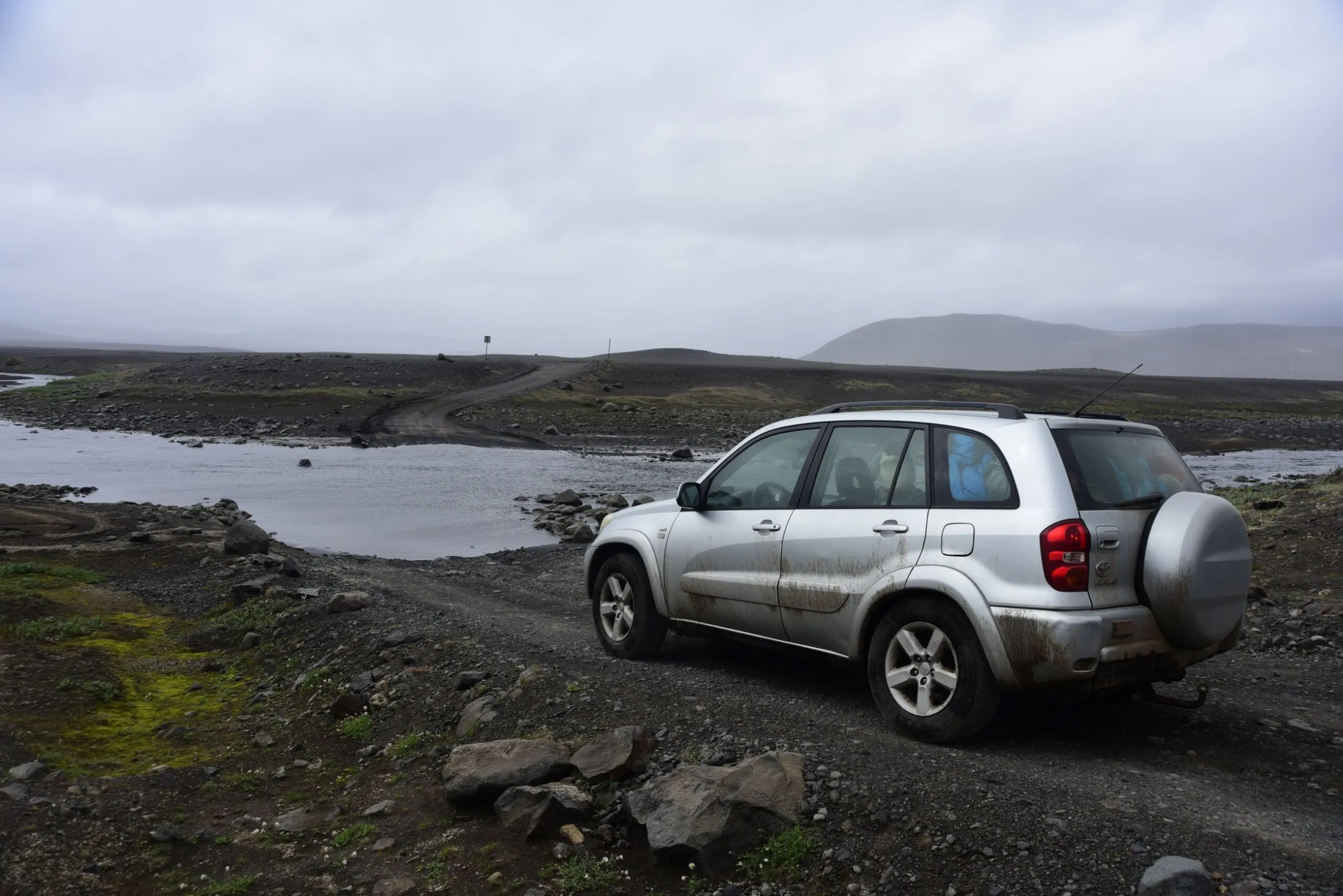
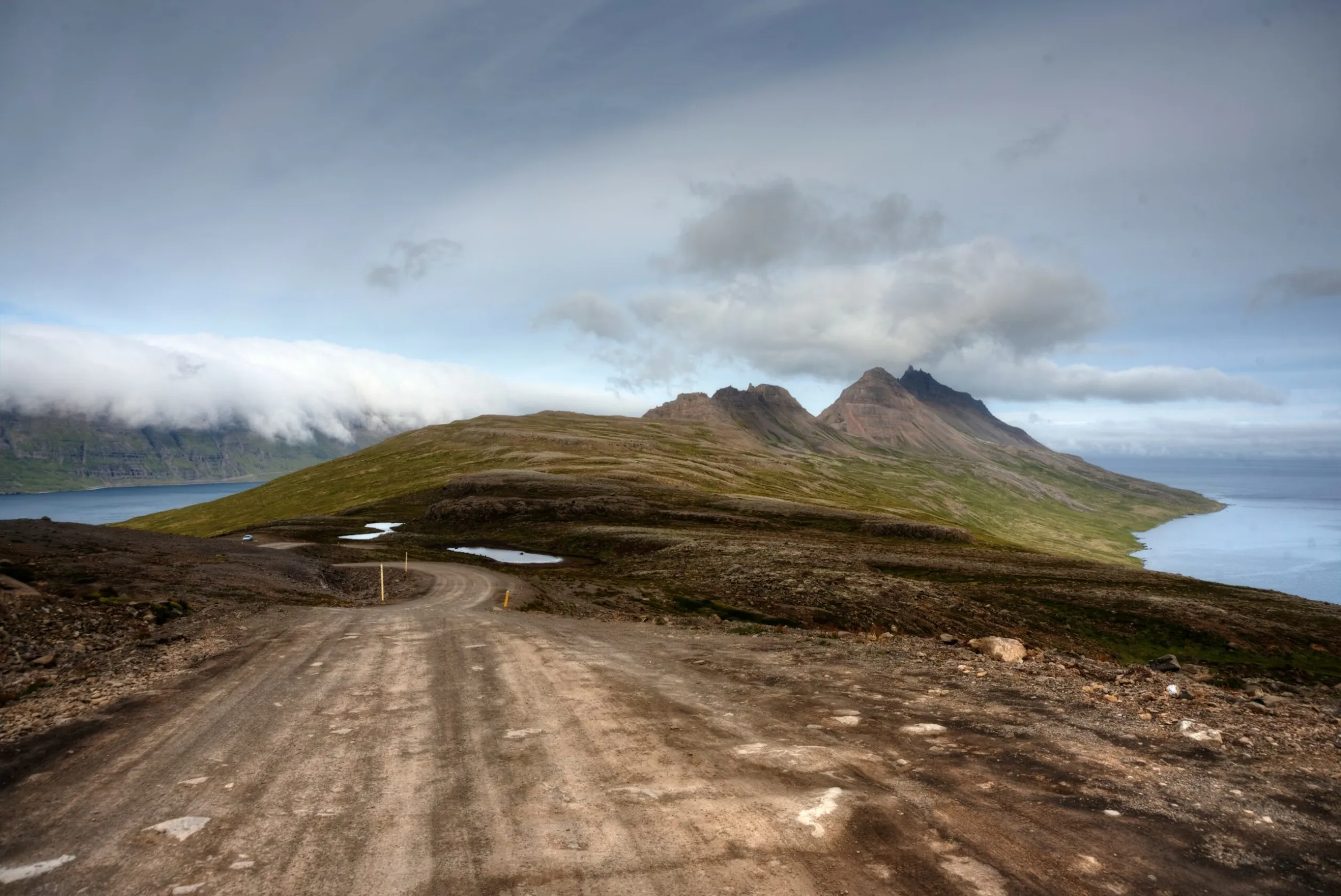
- Texto alternativo: Paisaje islandés preparado para la observación del eclipse solar total
- Texto alternativo: Lugar de observación del eclipse solar al atardecer en España con horizonte abierto
- Texto alternativo: Planificación en mapa del eclipse solar total de 2026 en Islandia y España
Preguntas frecuentes
¿Es mejor Islandia o España para el eclipse solar de 2026?
España es mejor para la mayoría de los viajeros porque tiene mejores perspectivas de cielos despejados en agosto. Islandia es mejor para paisajes dramáticos y un Sol más alto, pero tiene un mayor riesgo de nubes.
¿Será visible el eclipse de 2026 desde Reikiavik?
Sí, Reikiavik está dentro de la franja de totalidad del eclipse del 12 de agosto de 2026. Se espera que la totalidad allí dure alrededor de un minuto, pero el clima será la preocupación principal.
¿Dónde es mejor observar el eclipse de 2026 en España?
Las zonas interiores del norte y noreste de España son opciones fuertes, especialmente áreas con tiempo seco en agosto y un horizonte occidental abierto. Zaragoza y los paisajes abiertos de sus alrededores están entre las opciones más prácticas.
¿Por qué el Sol bajo es un problema en España?
El eclipse ocurrirá cerca del atardecer en España. Esto significa que el Sol estará bajo, por lo que colinas, edificios, árboles, bruma o nubes bajas cerca del horizonte pueden bloquear la vista.
¿Islandia es demasiado nubosa para el eclipse?
No necesariamente, pero Islandia tiene un mayor riesgo de nubes que España. Los viajeros que elijan Islandia deben mantenerse flexibles, alquilar un vehículo si es posible y seguir de cerca las previsiones de nubosidad a corto plazo.
¿Debería reservar ya un viaje para el eclipse?
Sí. Es probable que la demanda de viajes para el eclipse sea alta tanto en Islandia como en España. El alojamiento, los coches de alquiler, las excursiones guiadas y los buenos lugares de observación pueden encarecerse o agotarse a medida que se acerque la fecha.