Iceland Photography: Light, Weather and Composition
Iceland is one of the most inspiring destinations in the world for landscape photography. Volcanoes, glaciers, black sand beaches, waterfalls, lava fields and constantly changing weather create conditions that are both visually spectacular and creatively demanding. For photographers, Iceland is not only about dramatic locations. It is about learning how to work with light, atmosphere, weather and composition in a landscape that changes hour by hour.
Many people arrive in Iceland expecting easy photography because the landscapes are already famous and visually powerful. In reality, Iceland is one of those places where photography becomes more demanding the longer you stay. The scenery is impressive almost everywhere, but creating strong photographs still requires patience, timing and an understanding of how light interacts with the landscape.
Photography in Iceland is not simply about documenting waterfalls or mountains. It is about atmosphere, texture, movement and weather. The best images often happen during brief moments when clouds open, rain passes through or low light transforms the landscape for only a few minutes.
Why Iceland Is So Special for Landscape Photography
Very few places offer such a wide range of landscapes within relatively short driving distances. During one day in Iceland it is possible to photograph glaciers, waterfalls, black beaches, mountains, moss-covered lava fields and coastal cliffs.
The visual simplicity of many Icelandic landscapes is one of their greatest strengths. Clean lines, minimal vegetation and open spaces create compositions that can feel both dramatic and calm at the same time.
Iceland also teaches photographers to work with changing conditions. Sunshine, rain, fog and wind can all appear within a single hour. Instead of waiting for perfect weather, photographers learn to react to what the landscape is offering at that moment.
Light in Iceland
Light is the most important element in Icelandic landscape photography. During summer, long days and extended golden hours create enormous flexibility for photographers. Around midnight the light can still remain soft and directional, making it possible to photograph almost continuously.
Winter offers a completely different experience. The sun stays low above the horizon for much of the day, creating long shadows and softer contrast. Even midday can resemble golden hour conditions familiar from other parts of Europe.
One of the most important lessons in Iceland is learning that dramatic weather often creates the best light. A completely clear sky is not always ideal. Clouds, mist, rain and gaps in the weather often produce far more interesting conditions.
Weather: The Most Important Part of Photography in Iceland
Weather in Iceland changes constantly. This is not an inconvenience for photographers. It is one of the main reasons why the country is so visually exciting.
Rain moving across mountains, fog drifting through valleys and sunlight breaking through dark clouds can completely transform a scene. A location that looks flat and uninteresting one hour may become extraordinary the next.
Successful photography in Iceland depends heavily on flexibility. Good landscape photographers rarely follow a rigid plan there. Instead, they react to weather, clouds, visibility and changing light conditions.
Wind is also a major factor. Strong wind affects tripod stability, long exposure photography and even the ability to stand safely near cliffs or waterfalls. Waterproof clothing and protection for camera equipment are essential.
Waterfalls: More Than Tourist Locations
Icelandic waterfalls are among the most photographed in the world, but they still offer enormous creative potential. Places such as Skógafoss, Seljalandsfoss, Godafoss or Kirkjufellsfoss are famous for good reason, but strong images depend on light, weather and composition rather than simply standing at the viewpoint.
Waterfalls in Iceland work especially well during overcast weather, rain or soft evening light. Harsh midday sun often creates too much contrast between white water and dark rocks.
Long exposure photography is popular in Iceland, but it should not become automatic. Sometimes a slightly shorter shutter speed preserves more texture and movement in the water, giving the image more energy.
Black Sand Beaches and Coastal Photography
Iceland’s black beaches are visually unique and extremely photogenic. Reynisfjara, Vík and the southern coastline offer strong graphic compositions created by black sand, white waves and dark volcanic rock formations.
These beaches work particularly well for minimalistic compositions. Simple relationships between sea, sand, sky and isolated rock formations often create stronger photographs than overly complicated scenes.
However, coastal photography in Iceland requires caution. Waves can be dangerous and unpredictable, especially on black sand beaches exposed to the North Atlantic. Good photography should never compromise safety.
Mountains and Atmospheric Landscapes
Some of the strongest Icelandic photographs are not based on famous waterfalls or tourist attractions at all. Often they come from smaller scenes: isolated mountains in fog, distant ridgelines under changing light or simple roads disappearing into volcanic landscapes.
Atmosphere is one of Iceland’s greatest photographic strengths. Fog, low clouds and rain often simplify landscapes and remove distractions. Instead of photographing every detail, photographers can focus on shape, texture and mood.
This is especially true in places like the Snæfellsnes Peninsula, the Eastfjords or the highlands, where weather often creates softer, quieter and more emotional landscapes.
Composition in Icelandic Landscapes
One of the biggest mistakes photographers make in Iceland is trying to include too much in the frame. The landscapes are large and visually powerful, which can easily lead to chaotic compositions.
Strong Iceland photography usually depends on simplification. Good compositions often use:
- clean foreground elements,
- simple lines and shapes,
- isolated mountains or waterfalls,
- negative space,
- atmospheric layers created by fog or weather,
- careful balance between sky and landscape.
Minimalism works particularly well in Iceland because the landscape itself already has strong visual structure.
Photography During Different Seasons
Summer
Summer offers long days, midnight light and easier access to remote locations. Roads are generally more accessible, including many highland routes.
The challenge during summer is that some locations become crowded, especially along the South Coast and Golden Circle.
Autumn
Autumn often brings stronger atmospheric conditions, fewer tourists and rapidly changing weather. Colors remain relatively subtle compared to other countries, but the light can become very dramatic.
Winter
Winter photography in Iceland is demanding but extremely rewarding. Snow transforms volcanic landscapes completely, and the low sun creates beautiful directional light throughout the day.
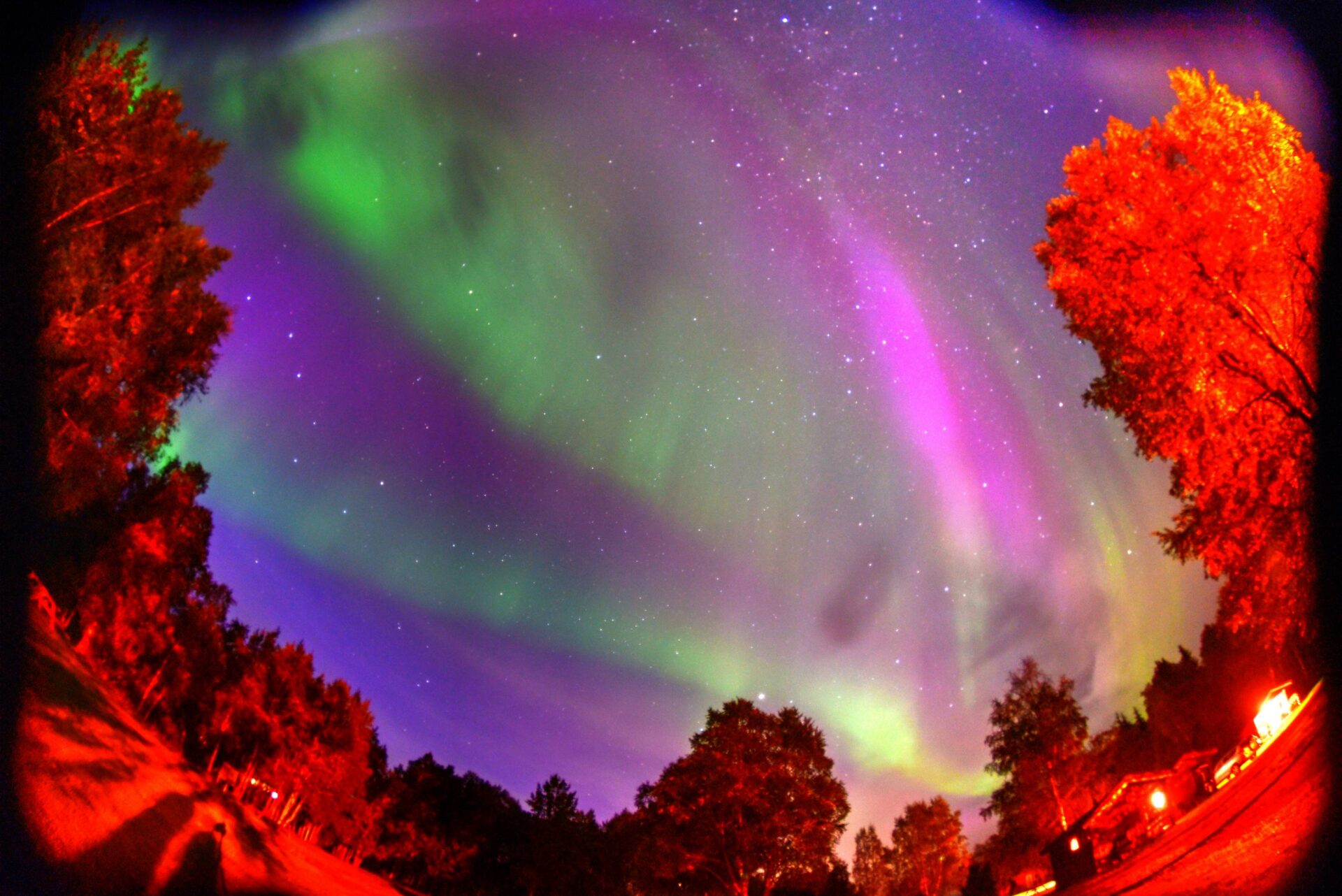
This is also the season for photographing the Northern Lights, frozen waterfalls and winter storms.
Spring
Spring is unpredictable but visually interesting. Melting snow, unstable weather and fewer visitors can create excellent photographic opportunities.
Photographing the Northern Lights
Iceland is one of the most popular destinations for aurora photography. However, photographing the Northern Lights requires patience, flexibility and realistic expectations.
Strong aurora activity does not guarantee good photographs. Cloud cover is often the deciding factor. This is why mobility and weather tracking are essential during aurora workshops and photography expeditions.
For aurora photography, photographers typically use:
- a stable tripod,
- wide-angle fast lenses,
- manual focus,
- high ISO settings,
- long exposures adjusted to aurora movement.
But composition remains just as important at night as during the day. A strong foreground often makes the difference between an average aurora image and a memorable one.
Road Travel and Photography Workshops in Iceland
Iceland is ideal for photography workshops because the country naturally encourages road travel. Distances between locations are manageable, and changing weather constantly creates new opportunities.
Photography workshops in Iceland are not only about famous viewpoints. The real value often comes from understanding why certain light works, how weather shapes the landscape and how to react creatively when conditions change.
Transfers between locations are also part of the photographic process. Some of the best images happen unexpectedly along the road when fog appears over mountains or evening light suddenly breaks through clouds.
Photography Equipment for Iceland
Landscape photography in Iceland does not require extreme equipment, but preparation matters.
Useful gear includes:
- a weather-sealed camera if possible,
- a wide-angle lens,
- a telephoto lens for distant details and compression,
- a stable tripod,
- neutral density and graduated filters,
- microfiber cloths for rain and spray,
- waterproof clothing,
- extra batteries.
Moisture and wind are constant factors in Iceland. Cameras and lenses often become wet near waterfalls or during fast-changing weather.
Common Mistakes in Iceland Photography
- trying to photograph too many locations in one day,
- ignoring weather and waiting only for blue sky,
- using extremely wide compositions without a clear subject,
- photographing waterfalls only with ultra-long exposures,
- forgetting to protect equipment from rain and spray,
- focusing only on famous tourist viewpoints,
- not allowing enough time to revisit locations in better light.
Why Iceland Teaches Photographers So Much
Iceland is one of those places where photographers quickly learn that good landscape photography depends less on equipment and more on observation. Light changes quickly, weather reshapes scenes constantly and dramatic conditions often last only a few minutes.
Photographers learn patience, flexibility and simplification. They learn to stop chasing only famous locations and start reacting to atmosphere, texture and light.
This is why many people return to Iceland repeatedly. The country never looks exactly the same twice.
Frequently Asked Questions
When is the best time to photograph Iceland?
Every season offers different possibilities. Summer provides long days and midnight light, winter offers snow and aurora photography, while autumn and spring often create dramatic weather and fewer crowds.
Do I need professional camera equipment for Iceland?
No. Understanding light and composition is more important than owning expensive gear. A camera with manual control and a tripod are enough to learn effectively.
Why is weather so important in Iceland photography?
Weather shapes the entire atmosphere of the landscape. Fog, rain, clouds and changing light often create stronger photographs than completely clear conditions.
Is Iceland good for photography workshops?
Yes. Iceland offers an exceptional variety of landscapes, changing weather and excellent opportunities to learn practical landscape photography in real conditions.
What lens is best for Iceland photography?
Wide-angle lenses are useful for large landscapes and waterfalls, while telephoto lenses help isolate distant mountains, textures and atmospheric details.
Useful Links
- dfoto.pl – travel and landscape photography
- Iceland photography galleries
- Landscape photography portfolio
Conclusion
Iceland is not only a destination for dramatic landscape photography. It is also a place that teaches photographers how to work with light, weather and atmosphere. The landscapes are spectacular, but the strongest photographs usually come from patience, observation and the ability to react creatively to changing conditions.
Whether photographing waterfalls, black beaches, mountains or the Northern Lights, Iceland constantly reminds photographers that weather is not an obstacle. It is often the most important creative element in the image.