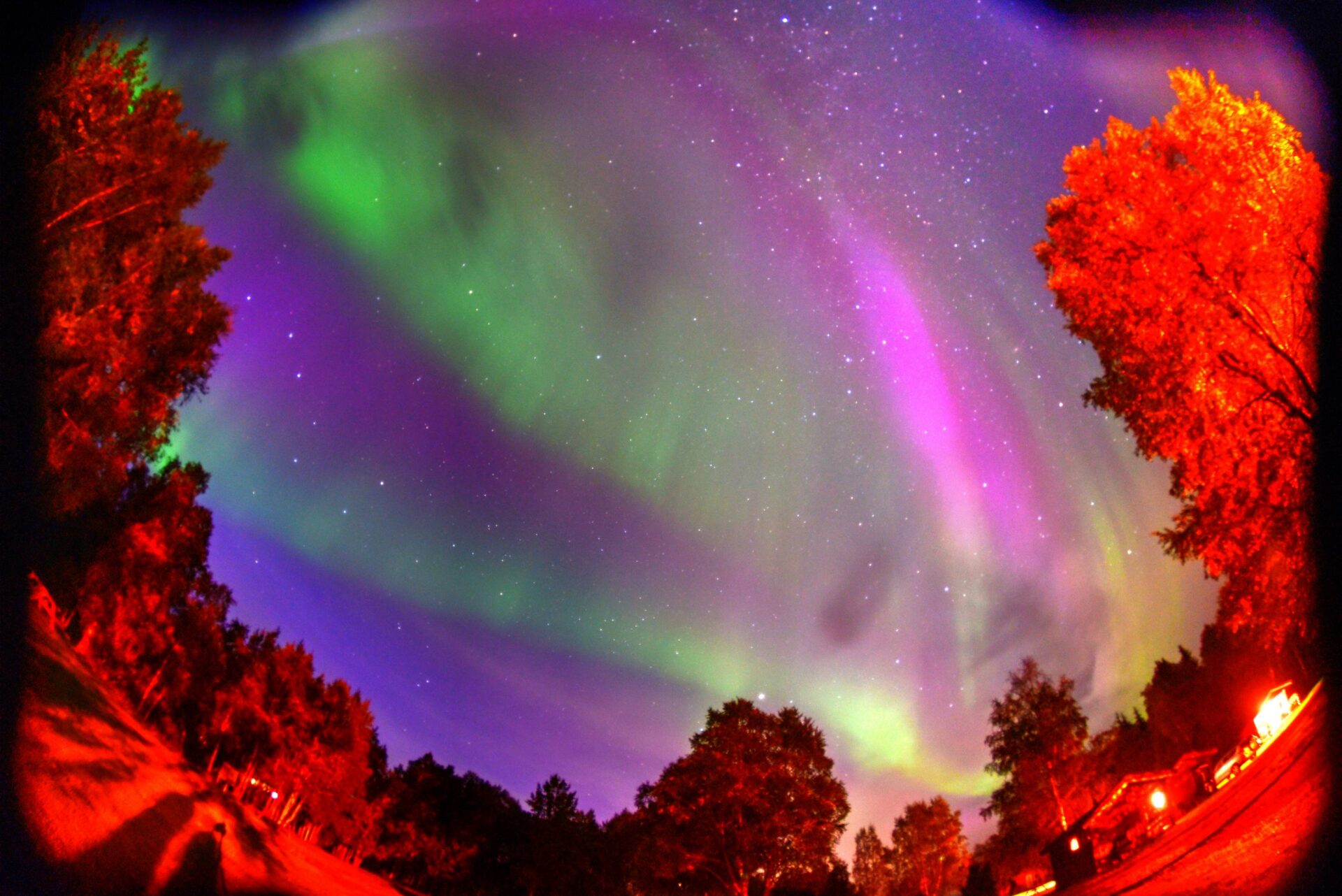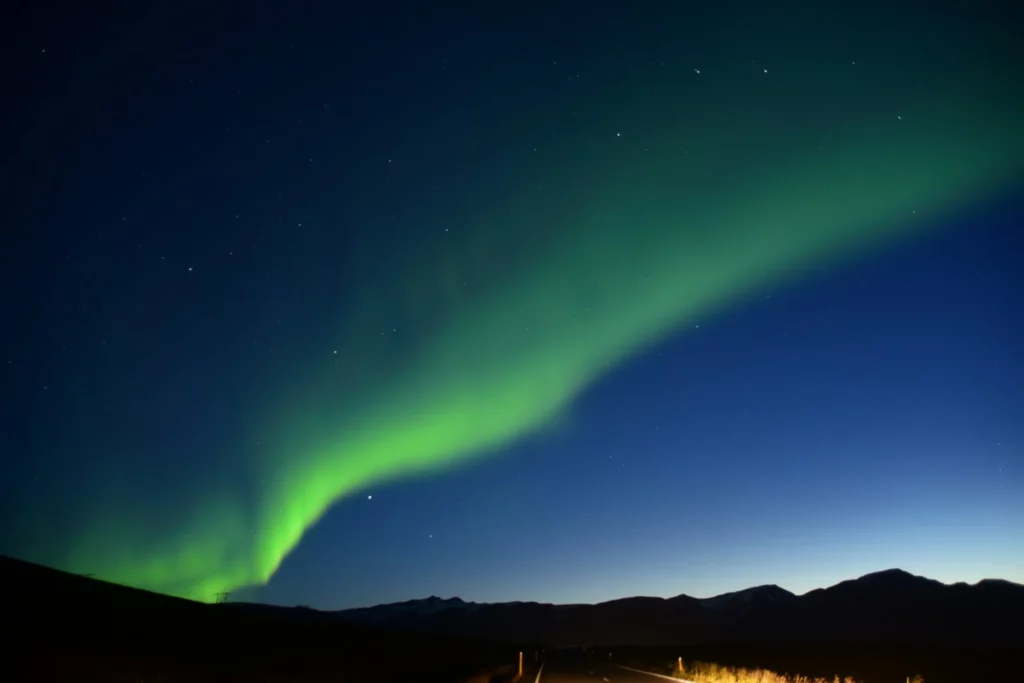
Ci sono poche esperienze di viaggio emotive e imprevedibili come vedere l’aurora boreale per la prima volta. Non importa quante fotografie una persona abbia visto prima: l’esperienza reale è diversa. Il cielo si muove. La luce si sposta e cambia forma. Archi verdi crescono improvvisamente in onde che si estendono lungo l’orizzonte. A volte l’aurora appare in silenzio, quasi con delicatezza. Altre volte riempie tutto il cielo di movimento.
Per i fotografi, le spedizioni dedicate all’aurora boreale non riguardano soltanto la cattura di un fenomeno naturale. Riguardano anche paesaggi invernali, lunghe notti, meteo variabile e l’atmosfera stessa dell’Artico. L’esperienza è tanto nel viaggio quanto nelle fotografie.
La fotografia dell’aurora insegna molto rapidamente la pazienza. Alcune notti il cielo esplode di colore. Altre notti significano guidare attraverso tempeste di neve, aspettare sotto le nuvole o restare fermi in silenzio nel vento gelido, sperando in una breve apertura del cielo. Questa incertezza è parte di ciò che rende l’esperienza così memorabile.
Il nord si percepisce in modo diverso
Viaggiare molto a nord durante l’inverno cambia il ritmo della vita quotidiana. Le giornate diventano più corte, i paesaggi più silenziosi e il meteo più importante. La neve riflette anche piccole quantità di luce, e l’intero ambiente sembra più calmo e più concentrato.
Che si tratti dell’Islanda, della Norvegia settentrionale, della Lapponia finlandese o della Svezia artica, la sensazione è simile: ampi paesaggi aperti, aria fredda, cieli mutevoli e un forte senso dello spazio.
Per i fotografi, questa atmosfera conta tanto quanto l’aurora stessa. Alcuni dei momenti più memorabili accadono prima che le luci appaiano: guidare di notte su strade innevate, osservare le nuvole che si aprono lentamente o restare sotto un cielo pieno di stelle nel silenzio completo.
L’aurora non è mai garantita
Una delle prime cose che ogni fotografo dell’aurora impara è l’umiltà. A differenza delle attrazioni turistiche programmate, l’aurora boreale segue il proprio ritmo.
Servono tre elementi allo stesso tempo:
- attività aurorale,
- cieli bui,
- meteo sereno.
Anche una forte attività solare significa poco se le nuvole coprono il cielo. Proprio per questo flessibilità e mobilità sono essenziali durante le spedizioni fotografiche.
Alcuni dei migliori viaggi per l’aurora includono lunghi spostamenti, monitoraggio del meteo e cambi di programma all’ultimo minuto. Nell’Artico, il meteo diventa spesso la parte più importante dell’intera spedizione.
Perché la pazienza conta così tanto
La fotografia dell’aurora boreale non è azione continua. Gran parte dell’esperienza consiste nell’attendere, osservare e reagire con calma al cambiamento delle condizioni.
A volte l’aurora appare all’improvviso solo per pochi minuti. A volte inizia debole e cresce lentamente per diverse ore. In altre notti non succede nulla.
Questa attesa cambia il modo in cui i fotografi vivono il paesaggio. Si comincia a prestare attenzione alle nuvole, alla luce della luna, alle texture della neve e ai sottili cambiamenti nel cielo.
In molti modi, la fotografia dell’aurora insegna a rallentare e semplicemente osservare.
Fotografare l’aurora boreale
Dal punto di vista tecnico, fotografare l’aurora non è estremamente complicato, ma richiede preparazione e pratica. La maggior parte dei fotografi usa:
- un treppiede stabile,
- un obiettivo grandangolare,
- messa a fuoco manuale,
- valori ISO elevati,
- tempi di esposizione adattati al movimento dell’aurora.
Ma le impostazioni della fotocamera da sole non bastano mai. La composizione resta fondamentale.
Le fotografie più forti dell’aurora boreale di solito includono più del solo cielo. Montagne, laghi ghiacciati, alberi innevati, coste o piccoli elementi umani aiutano a creare profondità e atmosfera.
Una buona immagine dell’aurora non riguarda soltanto la luce verde sopra la testa. Riguarda la relazione tra cielo, paesaggio e umore.
Il meteo è tutto
Il meteo controlla quasi ogni parte di una spedizione per l’aurora boreale. Le nuvole possono nascondere completamente una forte attività aurorale, mentre anche piccole aperture nel cielo possono rivelare all’improvviso uno spettacolo incredibile.
Per questo i fotografi durante le spedizioni controllano costantemente previsioni, immagini satellitari e movimento delle nuvole.
Anche il meteo artico cambia rapidamente. Neve, nebbia, vento e temperature gelide sono parti normali dell’esperienza.
Eppure, spesso è proprio il meteo difficile a creare i momenti più memorabili. Neve fresca dopo una tempesta, luce lunare tra le nuvole o brevi aperture nel cielo possono trasformare completamente il paesaggio.
Guidare nella notte artica
Molte spedizioni per l’aurora boreale includono una quantità sorprendente di guida. Questo è particolarmente vero in luoghi come l’Islanda o la Norvegia settentrionale, dove la mobilità può fare la differenza tra cieli nuvolosi e condizioni serene.
Guidare di notte attraverso paesaggi artici diventa parte dell’avventura stessa. Strade coperte di neve, passi montani isolati e coste ghiacciate creano una sensazione molto diversa dal viaggio ordinario.
Alcune notti comportano ore di ricerca di un cielo sereno. Altre volte l’aurora appare inaspettatamente durante la guida stessa, costringendo a una sosta improvvisa sul ciglio della strada e a un rapido montaggio dell’attrezzatura nel vento gelido.
Sono spesso questi momenti a diventare le storie che le persone ricordano di più.
Il lato umano delle spedizioni per l’aurora
Una delle parti più belle dei viaggi fotografici per l’aurora boreale è l’esperienza condivisa. Aspettare insieme sotto un cielo freddo crea un’atmosfera molto diversa dal turismo normale.
Le persone parlano piano, osservano l’orizzonte e si aiutano con le impostazioni della fotocamera o con bevande calde. Poi, all’improvviso, qualcuno nota un movimento nel cielo e tutto il gruppo resta in silenzio per un momento.
Anche i fotografi esperti reagiscono ancora emotivamente quando l’aurora diventa intensa. C’è qualcosa di profondamente umano nel guardare il cielo muoversi sopra un paesaggio invernale scuro.
Freddo e attrezzatura fotografica
La fotografia invernale richiede sempre una certa preparazione. Le batterie si scaricano più rapidamente alle basse temperature, gli obiettivi si appannano facilmente e lavorare con i guanti può diventare difficile.
L’attrezzatura utile di solito include:
- batterie extra tenute al caldo nelle tasche,
- un treppiede robusto,
- lampade frontali con modalità luce rossa,
- abbigliamento invernale a strati,
- scaldamani,
- protezione meteo per le fotocamere.
Il comfort conta più di quanto molte persone si aspettino. È difficile fotografare in modo creativo quando le mani si gelano dopo dieci minuti all’aperto.
Non ogni notte richiede un’aurora intensa
Una cosa interessante della fotografia dell’aurora boreale è che i viaggi riusciti non si misurano soltanto dall’intensità dell’aurora.
Alcune delle fotografie artiche più belle nascono nei momenti più tranquilli: crepuscolo blu sopra montagne innevate, paesaggi invernali illuminati dalla luna o morbidi riflessi dell’aurora su laghi ghiacciati.
Il nord offre molto più delle sole luci nel cielo.
Perché le persone tornano nell’Artico ancora e ancora
Molti fotografi che visitano l’Artico una volta alla fine ritornano. Parte del fascino sta nell’imprevedibilità. Ogni inverno è diverso, ogni cielo notturno cambia e ogni paesaggio reagisce in modo diverso al meteo e alla luce.
Ma c’è anche qualcos’altro: il viaggio verso il nord crea un raro senso di calma e distanza dalla vita quotidiana.
La combinazione di oscurità, neve, silenzio e luce in movimento sopra la testa crea un’esperienza che sembra pacifica e drammatica allo stesso tempo.
Errori comuni durante le spedizioni per l’aurora boreale
- aspettarsi un’attività aurorale forte e costante,
- ignorare le previsioni meteo,
- concentrarsi solo sul cielo e dimenticare la composizione,
- non vestirsi abbastanza caldi,
- usare treppiedi instabili,
- restare solo vicino agli hotel invece di cercare condizioni serene,
- pensare che le impostazioni della fotocamera contino più della luce e dell’atmosfera.
Le migliori fotografie dell’aurora raccontano una storia più grande
Le immagini più forti dell’aurora boreale comunicano di solito più dell’aurora stessa. Mostrano la sensazione di essere lì: l’aria fredda, le strade vuote, il silenzio invernale e la scala del paesaggio nordico.
Per questo la fotografia dell’aurora boreale diventa molto più della fotografia notturna tecnica. Diventa una forma di racconto di viaggio.
Le fotografie migliori sono spesso quelle che ricordano alle persone non solo com’era il cielo, ma anche come si sentiva tutta la notte.
Domande frequenti
Qual è il periodo migliore per fotografare l’aurora boreale?
La stagione migliore di solito va da settembre a marzo, a seconda del luogo e delle condizioni meteo.
Serve attrezzatura professionale per fotografare l’aurora?
No. Una fotocamera con impostazioni manuali, un treppiede e un obiettivo abbastanza grandangolare sono sufficienti per iniziare a fotografare l’aurora boreale.
Perché alcuni viaggi per l’aurora boreale non hanno successo?
L’aurora dipende sia dall’attività solare sia dal cielo sereno. Le nuvole sono spesso la sfida più grande durante le spedizioni fotografiche artiche.
Quali Paesi sono migliori per le spedizioni dedicate all’aurora boreale?
Islanda, Norvegia, Finlandia e Svezia sono tra le destinazioni più popolari, perché combinano una buona visibilità dell’aurora con paesaggi invernali spettacolari.
Fotografare l’aurora boreale è difficile?
Le basi tecniche sono gestibili per la maggior parte dei fotografi, ma meteo, freddo e tempismo rendono la fotografia dell’aurora più impegnativa nella pratica.
Link utili
- NOAA – Centro di meteorologia spaziale
- Meteologix – previsioni dell’aurora per l’Islanda
- Space Weather Live – previsioni dell’aurora
- Eclipses.eu – spedizioni fotografiche e viaggi artici
- dfoto.pl – fotografia di viaggio e paesaggio
- Gallerie fotografiche dell’Islanda
- Paesaggi del nord e fotografia artica
Conclusione
Le spedizioni per l’aurora boreale sono molto più che fotografare l’aurora. Uniscono paesaggi invernali, meteo variabile, lunghe notti e l’esperienza di viaggiare attraverso l’Artico.
Le luci stesse sono imprevedibili, e questa incertezza fa parte di ciò che rende l’esperienza significativa. Alcune notti portano spettacoli drammatici attraverso tutto il cielo. Altre offrono soltanto momenti silenziosi sotto nuvole e neve.
Ma insieme, questi momenti creano qualcosa di molto più grande di un viaggio fotografico. Creano la sensazione di vivere davvero il nord.