Iceland 4×4: When the Road Becomes Part of the Adventure
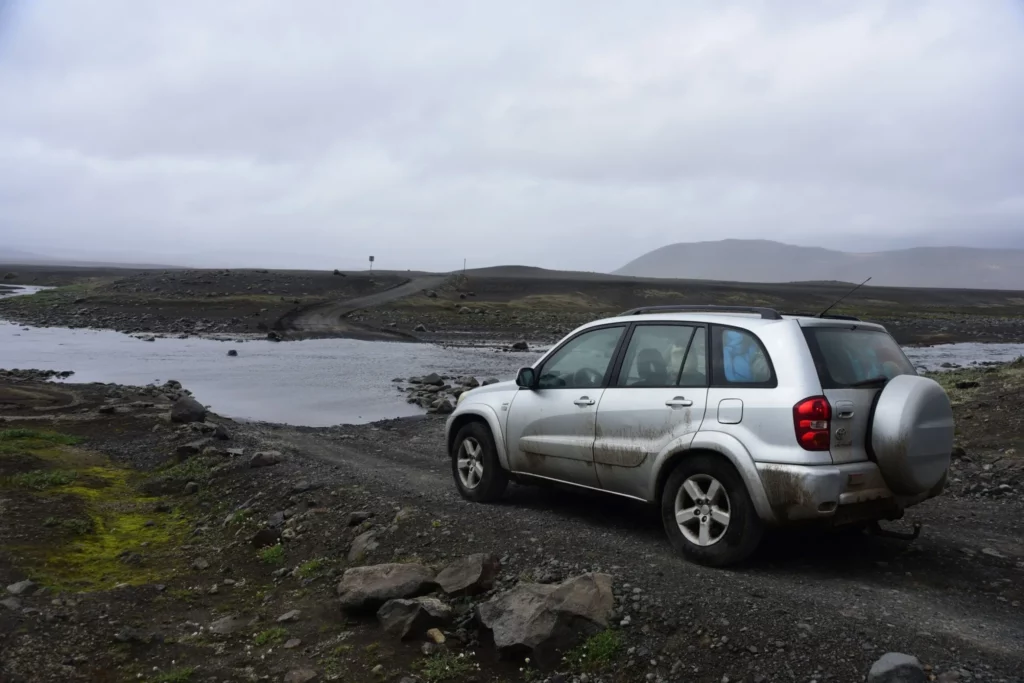
In Iceland, the road is often much more than a way to reach a destination. Especially beyond the Ring Road, driving itself becomes part of the experience. Gravel tracks crossing lava fields, remote mountain routes, glacial rivers, black deserts and sudden weather changes transform travel into something far more adventurous than ordinary road tourism.
For photographers and travelers, Iceland’s highland roads open access to landscapes that feel truly remote. These are places where there are no towns, almost no traffic and often no mobile signal for hours. The journey becomes slower, more physical and far more connected to the landscape itself.
This is exactly why Iceland 4×4 travel is so rewarding. The interior is not only about reaching spectacular locations. It is about understanding weather, terrain, light and distance. In Iceland, the route itself often becomes one of the strongest memories of the entire expedition.
What Are Iceland’s F-Roads?
The famous Icelandic F-roads are mountain roads and highland tracks accessible only to properly equipped 4×4 vehicles. The letter “F” comes from the Icelandic word “fjall,” meaning mountain.
These roads lead through some of the wildest parts of the country: volcanic deserts, geothermal regions, glacial valleys and remote mountain interiors impossible to reach with standard rental cars.
Unlike normal paved roads, F-roads are often rough gravel tracks with potholes, loose stones, steep sections and river crossings. Conditions can change dramatically depending on weather, snow melt and volcanic activity.
Many first-time visitors underestimate them because they appear on maps like ordinary roads. In reality, some F-roads can become serious mountain routes requiring experience, caution and patience.
Why the Icelandic Interior Feels Different
Driving into Iceland’s interior changes the entire feeling of travel. The landscape becomes emptier, quieter and more elemental. Huge lava fields stretch to the horizon, rivers cut through volcanic sand deserts and weather moves across the mountains with incredible speed.
Unlike the more visited coastal areas, the highlands often feel completely disconnected from modern infrastructure. Fuel stations disappear, distances between travelers become much larger and conditions become less predictable.
This isolation is precisely what makes Icelandic 4×4 expeditions so special for photographers. The interior offers a sense of scale and wilderness that is increasingly rare in Europe.
F-Road Openings and Closures
One of the most important things to understand about Icelandic F-roads is that they are seasonal. Most highland routes remain closed for much of the year due to snow, flooding and unstable conditions.
Typically, many F-roads open between late June and July, although exact timing depends entirely on weather and snow melt. Some roads close again already in September.
This means flexibility is essential. A route that looked possible during trip planning may still be closed upon arrival. Conditions can also change temporarily after heavy rain, glacial flooding or storms.
Before entering any F-road, drivers should always check official Icelandic road condition updates and weather forecasts. In Iceland, conditions change quickly enough that yesterday’s information may no longer be accurate.
River Crossings: The Most Important Skill
For many travelers, river crossings become the defining experience of Icelandic highland driving. Some F-roads include multiple unbridged glacial rivers that must be crossed directly by vehicle.
This is where Iceland 4×4 travel stops feeling like ordinary road tourism and starts requiring real judgment.
River crossings should never be approached casually. Water depth, current speed and riverbed conditions change constantly depending on weather, temperature and glacier melt.
Even experienced drivers treat river crossings with caution because the same crossing can look completely different only a few hours later.
How to Approach River Crossings Safely
One of the most important lessons in Icelandic highland driving is learning when not to cross.
Good practice usually includes:
- stopping well before the river to observe conditions,
- checking whether other vehicles have crossed recently,
- walking the crossing only if conditions are safe and current is weak,
- looking for the widest and shallowest section,
- crossing slowly and steadily without sudden acceleration,
- avoiding gear changes in the middle of the river,
- never entering water if depth or current feels uncertain.
In Icelandic rivers, confidence can become dangerous very quickly. Some rivers appear shallow near the bank but deepen suddenly in the middle.
During my own expeditions in Iceland, I learned that patience is often more important than technical driving skill. There were situations where we waited hours for water levels to drop, changed routes completely or decided not to cross at all. In the highlands, turning back is sometimes the smartest decision.
Weather Changes Everything
Weather is one of the biggest factors in Icelandic 4×4 travel. Rain, wind, snow and fog can completely transform road conditions within a very short time.
A relatively simple gravel route can become difficult after heavy rain, while glacial rivers often rise significantly during warm afternoons because of increased melting upstream.
Strong wind also affects driving, especially on exposed highland tracks. Loose volcanic sand and ash can reduce visibility and create difficult conditions for both vehicles and photography equipment.
This constant unpredictability is one reason why Iceland rewards travelers who stay flexible instead of trying to follow overly rigid schedules.
Photography and the Icelandic Highlands
For landscape photographers, Iceland’s interior offers some of the most extraordinary scenery in Europe. Volcanic deserts, colorful rhyolite mountains, black sand plains, glaciers and geothermal valleys create landscapes that often feel closer to another planet than to northern Europe.
But photographing the highlands requires patience. Light changes rapidly, weather moves quickly and conditions often become dramatic only for a few minutes.
Some of the best photographs happen unexpectedly during the drive itself: fog drifting across a mountain road, evening light hitting volcanic ridges or rivers reflecting low clouds after rain.
This is why Icelandic 4×4 travel works so well for photography. The journey itself constantly creates new visual opportunities.
Driving Is Part of the Experience
One of the biggest mistakes visitors make is treating Icelandic driving only as transportation between viewpoints. In the interior, the road itself becomes part of the adventure.
The rhythm of slow travel changes how people experience the landscape. You begin to notice weather patterns, textures of lava fields, colors of volcanic ash and the enormous scale of the empty interior.
Photographically, this slower pace often produces stronger images than rushing between famous locations.
Choosing the Right Vehicle
Not every 4×4 vehicle is equally suitable for Icelandic F-roads. Some routes are relatively manageable, while others require high ground clearance and genuine off-road capability.
Travelers should pay close attention to:
- ground clearance,
- river crossing limits,
- tire condition,
- insurance coverage for F-roads and water damage,
- fuel range,
- recovery equipment.
Water damage caused during river crossings is often excluded from rental insurance policies, which makes caution absolutely essential.
Why Experience Matters in Iceland
Iceland rewards experience and humility. Conditions may look manageable until weather changes suddenly or a simple crossing becomes much more difficult than expected.
After many years of photographing and traveling through Iceland, I have learned that successful highland travel depends less on aggressive driving and more on observation, patience and decision-making.
The best expeditions are rarely the fastest ones. They are the journeys where travelers adapt to the landscape instead of trying to force the landscape to fit their schedule.
Common Mistakes During Iceland 4×4 Trips
- underestimating F-road difficulty,
- ignoring weather forecasts,
- crossing rivers too quickly,
- driving alone without preparation,
- overplanning daily distances,
- assuming all 4×4 vehicles are equally capable,
- focusing only on destinations instead of the journey itself.
Why Iceland’s Interior Leaves Such a Strong Impression
The Icelandic highlands create a rare feeling of true remoteness. The combination of volcanic landscapes, changing weather, rough roads and enormous open spaces makes travel feel much more physical and immersive than ordinary tourism.
Driving through the interior becomes part exploration, part photography expedition and part lesson in respecting natural conditions.
That is why many travelers return from Iceland remembering not only waterfalls or mountains, but also the roads themselves: the river crossings, the storms, the silence of the interior and the feeling of moving slowly through one of the wildest landscapes in Europe.
Frequently Asked Questions
What are Icelandic F-roads?
F-roads are mountain and highland roads accessible only to properly equipped 4×4 vehicles. They often include rough terrain and river crossings.
When are Iceland’s F-roads open?
Most F-roads open between late June and July depending on snow conditions and weather. Many close again in early autumn.
Are river crossings dangerous in Iceland?
They can be. Conditions change constantly depending on glacier melt and weather. River crossings require caution, patience and good judgment.
Do I need an off-road driving background?
Not necessarily, but drivers should feel comfortable with gravel roads, changing weather and careful decision-making in remote conditions.
Why is Iceland 4×4 travel so popular with photographers?
The highlands provide access to remote volcanic landscapes, changing light and dramatic weather conditions impossible to experience from the main tourist routes.
Useful Links
- Eclipses.eu – photography expeditions and adventure travel
- dfoto.pl – travel and landscape photography
- Iceland photography galleries
Conclusion
Iceland 4×4 travel is about much more than reaching remote locations. The roads themselves become part of the story: river crossings, changing weather, volcanic landscapes and the constant need to adapt to conditions.
For photographers and travelers, the Icelandic interior offers one of the last places in Europe where road travel still feels genuinely adventurous. The landscapes are spectacular, but the real experience often happens between destinations, somewhere on an empty F-road deep inside the highlands.