In Island ist die Straße oft viel mehr als nur ein Weg, um ein Ziel zu erreichen. Besonders abseits der Ring Road wird das Fahren selbst zu einem Teil der Erfahrung. Schotterpisten, die Lavafelder durchqueren, abgelegene Bergstrecken, Gletscherflüsse, schwarze Wüsten und plötzliche Wetterwechsel verwandeln die Reise in etwas deutlich Abenteuerlicheres als gewöhnlichen Straßentourismus.
Für Fotografen und Reisende öffnen Islands Hochlandstraßen den Zugang zu Landschaften, die wirklich abgelegen wirken. Es sind Orte, an denen es keine Ortschaften gibt, fast keinen Verkehr und oft stundenlang kein Mobilfunksignal. Die Reise wird langsamer, körperlicher und viel stärker mit der Landschaft selbst verbunden.
Genau deshalb sind Island 4×4 Reisen so lohnend. Im Hochland geht es nicht nur darum, spektakuläre Orte zu erreichen. Es geht darum, Wetter, Gelände, Licht und Entfernung zu verstehen. In Island wird die Route selbst oft zu einer der stärksten Erinnerungen der gesamten Expedition.
Was sind Islands F-Straßen?
Die berühmten isländischen F-Straßen sind Bergstraßen und Hochlandpisten, die nur mit entsprechend ausgerüsteten 4×4-Fahrzeugen befahren werden dürfen. Der Buchstabe „F“ stammt vom isländischen Wort „fjall“, das Berg bedeutet.
Diese Straßen führen durch einige der wildesten Teile des Landes: vulkanische Wüsten, geothermische Regionen, Gletschertäler und abgelegene Berglandschaften im Landesinneren, die mit normalen Mietwagen nicht erreichbar sind.
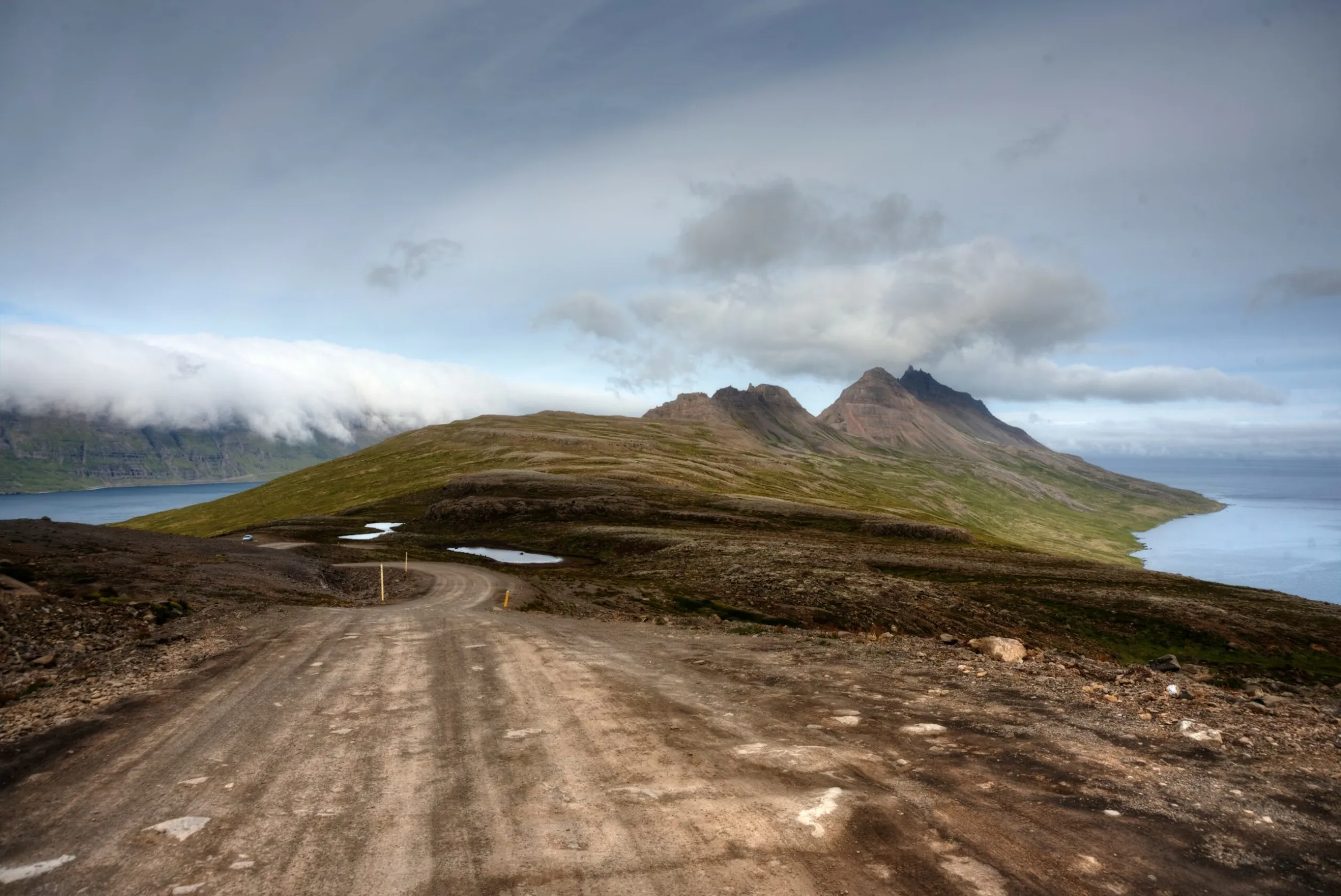
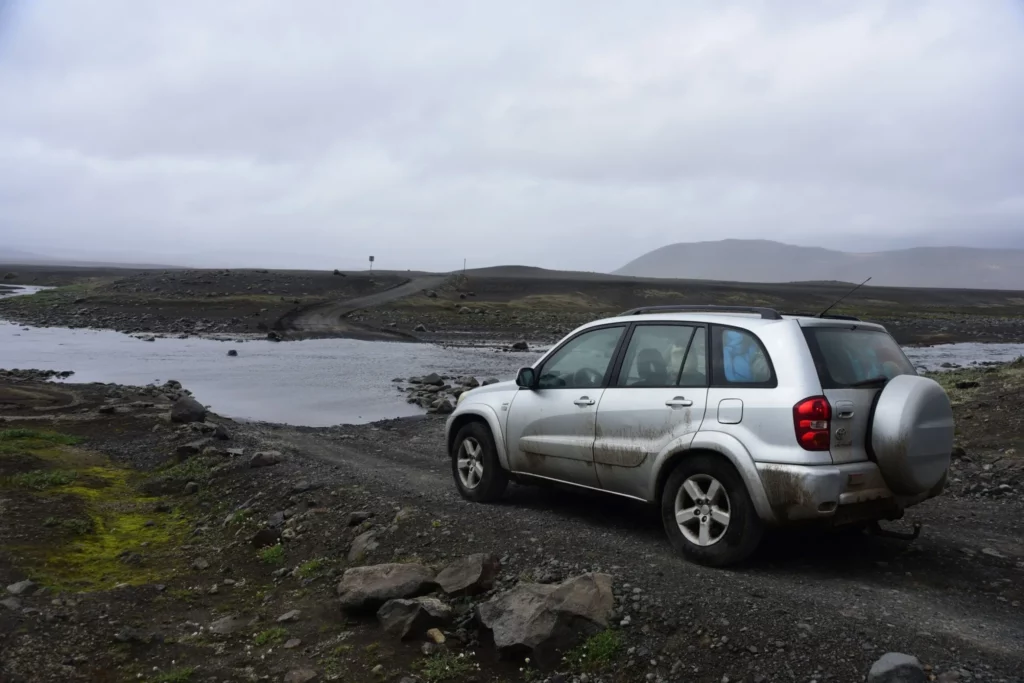
Im Gegensatz zu normalen asphaltierten Straßen sind F-Straßen oft raue Schotterpisten mit Schlaglöchern, losem Gestein, steilen Abschnitten und Flussdurchquerungen. Die Bedingungen können sich je nach Wetter, Schneeschmelze und vulkanischer Aktivität dramatisch verändern.
Viele Erstbesucher unterschätzen sie, weil sie auf Karten wie gewöhnliche Straßen aussehen. In Wirklichkeit können manche F-Straßen zu ernsthaften Bergrouten werden, die Erfahrung, Vorsicht und Geduld erfordern.
Warum sich das isländische Hochland anders anfühlt
Die Fahrt ins isländische Hochland verändert das gesamte Gefühl des Reisens. Die Landschaft wird leerer, stiller und elementarer. Riesige Lavafelder ziehen sich bis zum Horizont, Flüsse schneiden durch Wüsten aus vulkanischem Sand, und das Wetter zieht mit unglaublicher Geschwindigkeit über die Berge.
Im Gegensatz zu den häufiger besuchten Küstenregionen wirkt das Hochland oft vollständig von moderner Infrastruktur getrennt. Tankstellen verschwinden, die Abstände zwischen Reisenden werden deutlich größer und die Bedingungen weniger vorhersehbar.
Genau diese Abgeschiedenheit macht isländische 4×4-Expeditionen für Fotografen so besonders. Das Hochland bietet ein Gefühl von Weite und Wildnis, das in Europa immer seltener wird.
Öffnung und Sperrung der F-Straßen
Eine der wichtigsten Dinge, die man über isländische F-Straßen verstehen muss, ist ihre Saisonalität. Die meisten Hochlandrouten bleiben wegen Schnee, Überschwemmungen und instabiler Bedingungen einen großen Teil des Jahres geschlossen.
Typischerweise öffnen viele F-Straßen zwischen Ende Juni und Juli, wobei der genaue Zeitpunkt vollständig vom Wetter und von der Schneeschmelze abhängt. Einige Straßen werden bereits im September wieder geschlossen.
Das bedeutet, dass Flexibilität unverzichtbar ist. Eine Route, die bei der Reiseplanung möglich aussah, kann bei der Ankunft noch immer geschlossen sein. Bedingungen können sich auch vorübergehend nach starkem Regen, Gletscherfluten oder Stürmen verändern.
Vor dem Befahren einer F-Straße sollten Fahrer immer die offiziellen isländischen Straßeninformationen und Wettervorhersagen prüfen. In Island ändern sich die Bedingungen so schnell, dass Informationen von gestern bereits nicht mehr aktuell sein können.
Flussdurchquerungen: Die wichtigste Fähigkeit
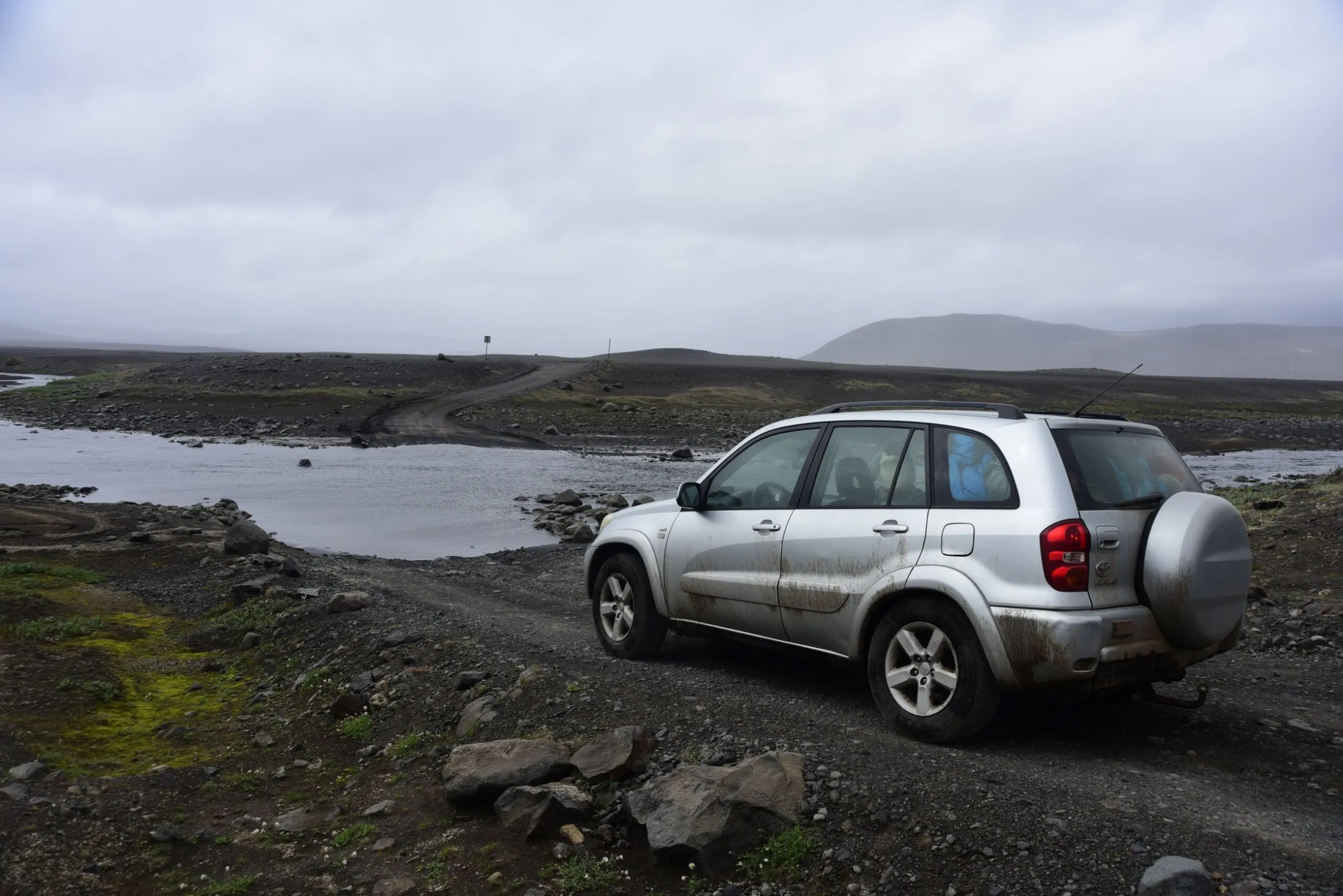
Für viele Reisende werden Flussdurchquerungen zur prägenden Erfahrung beim Fahren im isländischen Hochland. Manche F-Straßen enthalten mehrere unüberbrückte Gletscherflüsse, die direkt mit dem Fahrzeug durchquert werden müssen.
Hier hört Island 4×4 auf, sich wie gewöhnlicher Straßentourismus anzufühlen, und beginnt echte Urteilsfähigkeit zu verlangen.
Flussdurchquerungen dürfen niemals leichtfertig angegangen werden. Wassertiefe, Strömungsgeschwindigkeit und Zustand des Flussbetts verändern sich ständig, abhängig von Wetter, Temperatur und Gletscherschmelze.
Selbst erfahrene Fahrer behandeln Flussdurchquerungen mit Vorsicht, weil dieselbe Furt nur wenige Stunden später völlig anders aussehen kann.
Wie man Flussdurchquerungen sicher angeht
Eine der wichtigsten Lektionen beim Fahren im isländischen Hochland ist zu lernen, wann man nicht durchqueren sollte.
Gute Praxis umfasst in der Regel:
- rechtzeitig vor dem Fluss anzuhalten und die Bedingungen zu beobachten,
- zu prüfen, ob andere Fahrzeuge die Stelle kürzlich durchquert haben,
- die Furt nur dann zu Fuß zu prüfen, wenn die Bedingungen sicher sind und die Strömung schwach ist,
- nach dem breitesten und flachsten Abschnitt zu suchen,
- langsam und gleichmäßig ohne plötzliches Beschleunigen zu fahren,
- Gangwechsel mitten im Fluss zu vermeiden,
- niemals ins Wasser zu fahren, wenn Tiefe oder Strömung unsicher wirken.
In isländischen Flüssen kann Selbstvertrauen sehr schnell gefährlich werden. Manche Flüsse wirken am Ufer flach, werden aber in der Mitte plötzlich deutlich tiefer.
Während meiner eigenen Expeditionen in Island habe ich gelernt, dass Geduld oft wichtiger ist als technische Fahrkunst. Es gab Situationen, in denen wir stundenlang warteten, bis der Wasserstand sank, die Route vollständig änderten oder entschieden, überhaupt nicht zu durchqueren. Im Hochland ist Umkehren manchmal die klügste Entscheidung.
Wetter verändert alles
Das Wetter ist einer der wichtigsten Faktoren bei Island 4×4 Reisen. Regen, Wind, Schnee und Nebel können die Straßenbedingungen innerhalb sehr kurzer Zeit vollständig verändern.
Eine relativ einfache Schotterstrecke kann nach starkem Regen schwierig werden, während Gletscherflüsse an warmen Nachmittagen aufgrund verstärkter Schmelze flussaufwärts oft deutlich ansteigen.
Starker Wind beeinflusst ebenfalls das Fahren, besonders auf exponierten Hochlandpisten. Lockerer vulkanischer Sand und Asche können die Sicht einschränken und schwierige Bedingungen sowohl für Fahrzeuge als auch für Fotoausrüstung schaffen.
Diese ständige Unvorhersehbarkeit ist einer der Gründe, warum Island Reisende belohnt, die flexibel bleiben, statt einem allzu starren Zeitplan folgen zu wollen.
Fotografie und das isländische Hochland
Für Landschaftsfotografen bietet Islands Landesinneres einige der außergewöhnlichsten Szenerien Europas. Vulkanische Wüsten, farbige Rhyolithberge, schwarze Sandebenen, Gletscher und geothermische Täler schaffen Landschaften, die oft eher an einen anderen Planeten erinnern als an Nordeuropa.
Das Fotografieren im Hochland erfordert jedoch Geduld. Das Licht verändert sich schnell, das Wetter zieht rasch weiter, und dramatische Bedingungen entstehen oft nur für wenige Minuten.
Einige der besten Fotos entstehen unerwartet während der Fahrt selbst: Nebel, der über eine Bergstraße zieht, Abendlicht auf vulkanischen Rücken oder Flüsse, die nach Regen tiefe Wolken spiegeln.
Genau deshalb funktioniert Island 4×4 so gut für Fotografie. Die Reise selbst schafft ständig neue visuelle Möglichkeiten.
Fahren ist Teil der Erfahrung
Einer der größten Fehler von Besuchern ist es, das Fahren in Island nur als Transport zwischen Aussichtspunkten zu behandeln. Im Hochland wird die Straße selbst Teil des Abenteuers.
Der Rhythmus langsamen Reisens verändert die Art, wie man die Landschaft erlebt. Man beginnt, Wettermuster, Strukturen von Lavafeldern, Farben vulkanischer Asche und die enorme Weite des leeren Landesinneren wahrzunehmen.
Fotografisch führt dieses langsamere Tempo oft zu stärkeren Bildern als das schnelle Abhaken berühmter Orte.
Das richtige Fahrzeug wählen
Nicht jedes 4×4-Fahrzeug eignet sich gleichermaßen für isländische F-Straßen. Einige Routen sind vergleichsweise gut zu bewältigen, während andere große Bodenfreiheit und echte Geländetauglichkeit erfordern.
Reisende sollten besonders achten auf:
- Bodenfreiheit,
- Grenzen für Flussdurchquerungen,
- Zustand der Reifen,
- Versicherungsschutz für F-Straßen und Wasserschäden,
- Kraftstoffreichweite,
- Bergeausrüstung und Notfallausrüstung.
Wasserschäden, die bei Flussdurchquerungen entstehen, sind bei Mietwagenversicherungen häufig ausgeschlossen. Dadurch wird Vorsicht absolut unverzichtbar.
Warum Erfahrung in Island wichtig ist
Island belohnt Erfahrung und Demut. Bedingungen können beherrschbar wirken, bis sich das Wetter plötzlich ändert oder eine einfache Durchquerung deutlich schwieriger wird als erwartet.
Nach vielen Jahren des Fotografierens und Reisens durch Island habe ich gelernt, dass erfolgreiche Hochlandreisen weniger von aggressivem Fahren abhängen als von Beobachtung, Geduld und Entscheidungsfähigkeit.
Die besten Expeditionen sind selten die schnellsten. Es sind Reisen, bei denen sich die Reisenden an die Landschaft anpassen, statt zu versuchen, die Landschaft in ihren Zeitplan zu zwingen.
Häufige Fehler bei Island 4×4 Reisen
- die Schwierigkeit von F-Straßen zu unterschätzen,
- Wettervorhersagen zu ignorieren,
- Flüsse zu schnell zu durchqueren,
- allein und ohne Vorbereitung zu fahren,
- tägliche Distanzen zu groß zu planen,
- anzunehmen, dass alle 4×4-Fahrzeuge gleich leistungsfähig sind,
- sich nur auf Ziele zu konzentrieren statt auf die Reise selbst.
Warum Islands Landesinneres einen so starken Eindruck hinterlässt
Das isländische Hochland erzeugt ein seltenes Gefühl echter Abgeschiedenheit. Die Kombination aus vulkanischen Landschaften, wechselhaftem Wetter, rauen Straßen und riesigen offenen Räumen macht das Reisen viel körperlicher und intensiver als gewöhnlichen Tourismus.
Die Fahrt durch das Landesinnere wird teils zur Erkundung, teils zur Fotografieexpedition und teils zu einer Lektion im Respekt vor natürlichen Bedingungen.
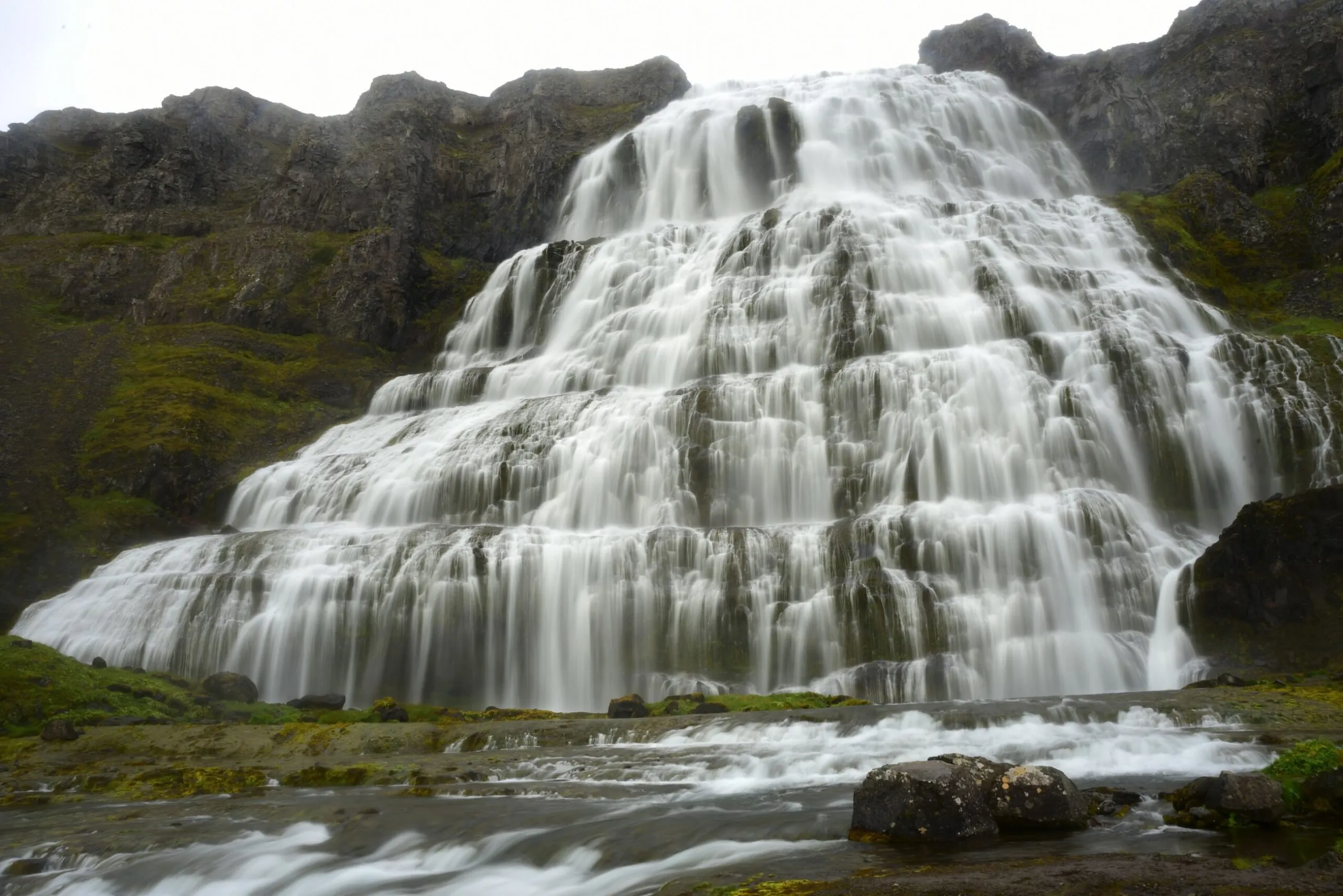
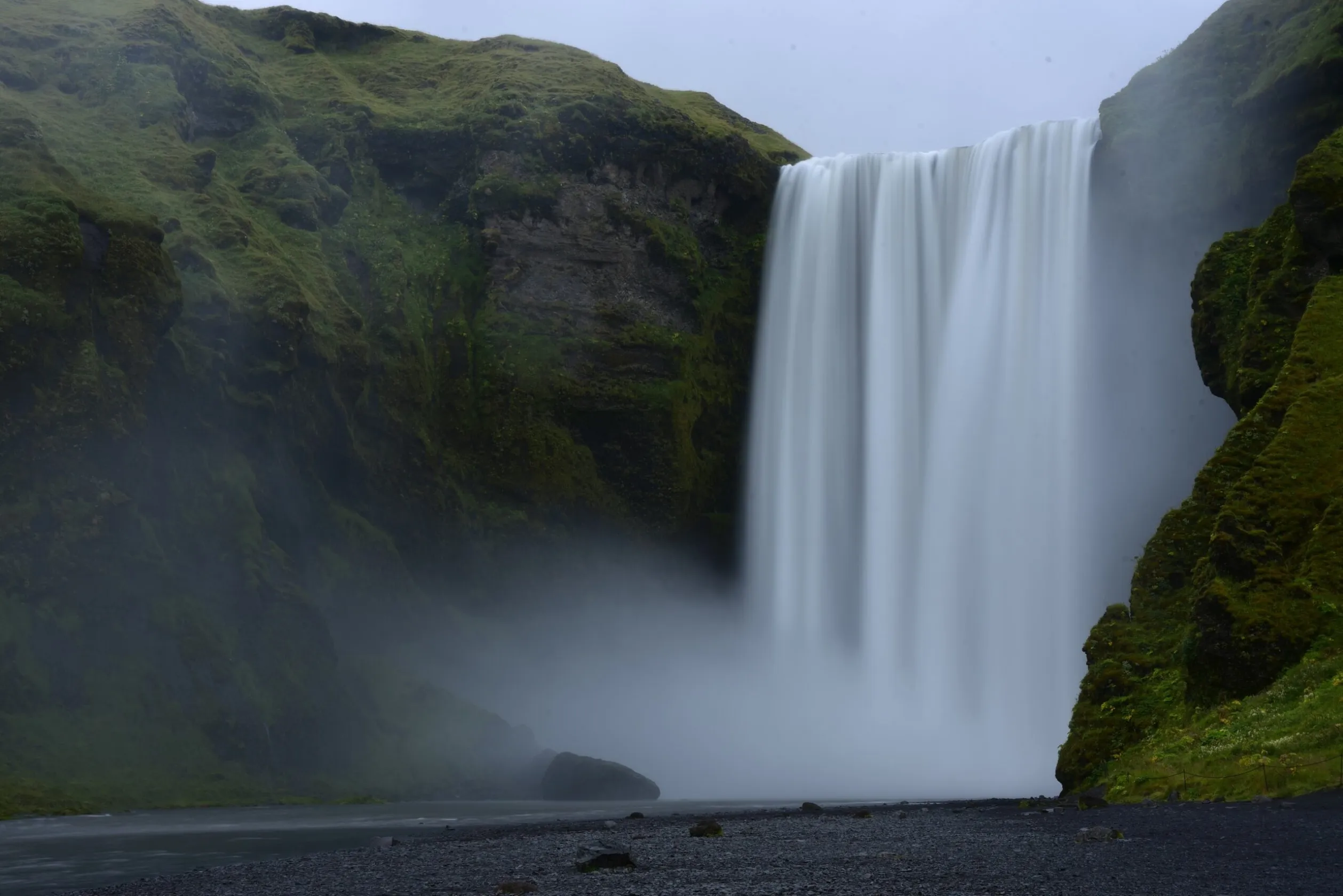
Deshalb erinnern sich viele Reisende nach Island nicht nur an Wasserfälle oder Berge, sondern auch an die Straßen selbst: die Flussdurchquerungen, die Stürme, die Stille des Hochlands und das Gefühl, sich langsam durch eine der wildesten Landschaften Europas zu bewegen.
Häufig gestellte Fragen
Was sind isländische F-Straßen?
F-Straßen sind Berg- und Hochlandstraßen, die nur mit entsprechend ausgerüsteten 4×4-Fahrzeugen befahren werden dürfen. Sie enthalten oft raues Gelände und Flussdurchquerungen.
Wann sind Islands F-Straßen geöffnet?
Die meisten F-Straßen öffnen je nach Schneelage und Wetter zwischen Ende Juni und Juli. Viele werden im frühen Herbst wieder geschlossen.
Sind Flussdurchquerungen in Island gefährlich?
Sie können gefährlich sein. Die Bedingungen ändern sich ständig je nach Gletscherschmelze und Wetter. Flussdurchquerungen erfordern Vorsicht, Geduld und gutes Urteilsvermögen.
Brauche ich Erfahrung im Geländefahren?
Nicht unbedingt, aber Fahrer sollten sich auf Schotterstraßen, bei wechselhaftem Wetter und bei vorsichtigen Entscheidungen in abgelegenen Bedingungen wohlfühlen.
Warum sind Island 4×4 Reisen bei Fotografen so beliebt?
Das Hochland bietet Zugang zu abgelegenen vulkanischen Landschaften, wechselndem Licht und dramatischen Wetterbedingungen, die man von den Haupttouristenrouten aus nicht erleben kann.
Nützliche Links
- Eclipses.eu – Fotografieexpeditionen und Abenteuerreisen
- dfoto.pl – Reise- und Landschaftsfotografie
- Island-Fotogalerien
Fazit
Island 4×4 Reisen bedeuten viel mehr als das Erreichen abgelegener Orte. Die Straßen selbst werden Teil der Geschichte: Flussdurchquerungen, wechselhaftes Wetter, vulkanische Landschaften und die ständige Notwendigkeit, sich an Bedingungen anzupassen.
Für Fotografen und Reisende bietet das isländische Hochland einen der letzten Orte Europas, an dem Straßenreisen noch wirklich abenteuerlich wirken. Die Landschaften sind spektakulär, doch das eigentliche Erlebnis geschieht oft zwischen den Zielen, irgendwo auf einer leeren F-Straße tief im Hochland.