Some of the most memorable photographs are made when conditions are far from comfortable. Arctic winds, desert heat, volcanic landscapes, mountain storms, heavy rain or long nights under the northern lights all have one thing in common: they challenge both the photographer and the equipment.
Yet extreme conditions are often exactly what creates extraordinary images. Dramatic weather, unusual light and landscapes shaped by powerful natural forces can transform an ordinary photograph into something much more memorable. The challenge is learning how to work with those conditions rather than fighting them.
Over the years, my photography has taken me to volcanic eruptions in Iceland, active volcanoes in Italy and New Zealand, Arctic winters, remote desert roads of the American Southwest, solar eclipses in different parts of the world and some of the most unpredictable weather conditions a landscape photographer can encounter. One lesson appears again and again: success depends less on endurance and more on preparation, patience and good judgment.
What Are Extreme Conditions in Photography?
Extreme conditions do not necessarily mean dangerous conditions. More often, they simply involve environments where weather, terrain or temperature make photography more demanding than usual.
Examples include:
- strong wind,
- heavy rain,
- snow and ice,
- extreme cold,
- high temperatures,
- volcanic ash and dust,
- remote locations with limited infrastructure,
- rapidly changing weather,
- night photography in winter conditions.
Each environment presents different challenges, but the underlying principles remain remarkably similar.
Weather Is Often the Best Subject
Many photographers spend years waiting for perfect weather. The irony is that perfect weather often produces average photographs.
Clouds, storms, fog, snow, rain and changing light create atmosphere. They add emotion, depth and character to landscapes. A mountain under a clear blue sky can be beautiful, but a mountain emerging from storm clouds often tells a much stronger story.
Some of my favorite photographs have been made in conditions that many travelers would describe as “bad weather.” In reality, those conditions were simply more interesting.
Extreme weather often creates extreme opportunities.
Cold Weather Photography
Winter photography introduces a completely different set of challenges. Cameras generally perform well in cold temperatures, but batteries do not.
One of the first lessons Arctic travel teaches photographers is to carry spare batteries and keep them warm inside jacket pockets.
Condensation is another important issue. Moving quickly between cold outdoor conditions and warm indoor environments can cause moisture to form on equipment. Patience helps. Allowing cameras and lenses to acclimatize gradually often prevents problems.
Cold also affects the photographer more than the equipment. Comfortable clothing, proper footwear and layered insulation often matter more than camera specifications.
Photographing in Wind
Wind is one of the most underestimated challenges in landscape photography.
Strong wind affects:
- tripod stability,
- long exposures,
- drone operations,
- lens changes,
- personal comfort and concentration.
In places like Iceland, Patagonia or volcanic landscapes, wind can become the defining factor of the entire photographic experience.
Sometimes the solution is technical, such as stabilizing a tripod. Other times it means adapting creatively and looking for compositions that work with movement rather than against it.
Desert Photography and Heat
Extreme heat presents challenges very different from winter conditions. Deserts demand careful planning, water management and realistic expectations about distances.
Light also behaves differently in dry environments. Midday conditions are often harsh, while sunrise and sunset can produce spectacular color and contrast.
In the American Southwest, I learned that desert photography is often less about dramatic action and more about patience. Waiting for light, weather and atmosphere becomes part of the process.
Heat can also affect equipment, vehicles and decision-making. Staying hydrated and avoiding fatigue are just as important as camera settings.
Volcanic Landscapes and Active Geology
Photographing volcanoes combines many different challenges at once. Weather changes quickly, terrain can be unstable and volcanic ash or dust may affect equipment.
Experiences around Stromboli, Etna, Fagradalsfjall and Tongariro taught me that volcanic photography requires flexibility more than anything else.
Conditions change constantly. Access routes may close. Activity levels shift. Light and weather can transform the landscape within minutes.
The key is respecting the environment while remaining ready to adapt.
Rain Is Not the Enemy
Many photographers automatically put cameras away when it starts raining. That is often exactly when interesting images begin to appear.
Rain creates reflections, atmosphere, texture and mood. Wet rocks become more saturated. Forests gain depth. Streets reflect light. Clouds add drama.
Of course, equipment protection matters. But modern cameras are often more weather-resistant than photographers assume.
Some of the strongest landscape photographs happen immediately before, during or after rainfall.
Photography in Remote Locations
Extreme photography often involves remote places where support and infrastructure are limited.
Whether crossing Icelandic highlands, exploring remote desert roads in Utah or traveling deep into volcanic regions, self-sufficiency becomes increasingly important.
This means thinking beyond photography:
- fuel,
- water,
- navigation,
- communication,
- weather forecasts,
- emergency planning.
The best photography trips are usually the ones where logistical problems never happen because preparation was done properly beforehand.
Photography During Expeditions
One interesting challenge during adventure expeditions is balancing photography with travel itself.
When conditions become difficult, photographers sometimes focus so heavily on images that they stop paying attention to weather, terrain or fatigue.
Experience gradually teaches a better balance.
Good photographs come more easily when people remain comfortable, alert and aware of their surroundings.
The Importance of Simplicity
Extreme conditions often encourage photographers to simplify their approach.
Rather than carrying every possible piece of equipment, many experienced photographers gradually learn to work with fewer tools and greater flexibility.
Simple systems are often more reliable in difficult weather, long hikes or remote environments.
And perhaps surprisingly, fewer choices sometimes lead to better photographs.
What Experience Really Changes
Technical skills matter, but experience changes something deeper. Over time, photographers become better at reading conditions.
They learn to recognize:
- when weather is improving,
- when light is about to change,
- when patience will be rewarded,
- when conditions are becoming unsafe,
- when a simple composition works better than a complicated one.
These decisions often have a greater impact on photographs than any camera upgrade.
Common Mistakes in Extreme Conditions
- focusing too much on equipment and not enough on weather,
- underestimating physical fatigue,
- ignoring forecasts,
- carrying too much gear,
- rushing instead of waiting for better light,
- taking unnecessary risks for photographs,
- forgetting that comfort affects creativity.
Extreme Conditions Create Memorable Stories
The photographs people remember most often come from experiences rather than technical perfection.
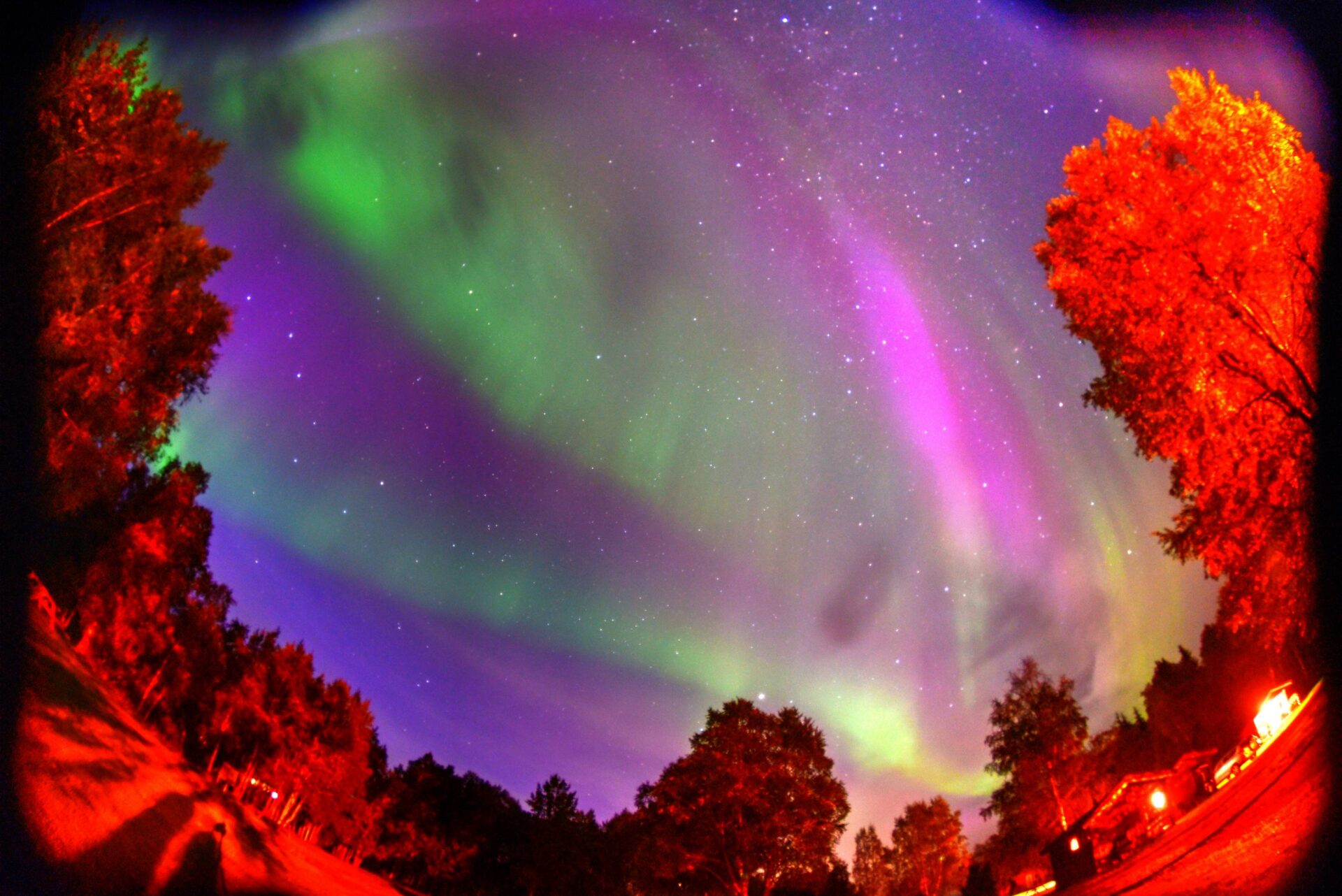
A snowstorm in Iceland, an unexpected clearing during an aurora chase, dramatic clouds above a desert canyon or volcanic light reflecting from fresh lava all create stories that become part of the image.
Photography in extreme conditions is not really about surviving difficult environments. It is about learning how to work with them creatively and responsibly.
Frequently Asked Questions
What counts as extreme conditions in photography?
Extreme conditions can include severe weather, remote locations, extreme temperatures, strong wind, heavy rain, volcanic environments or challenging terrain.
Can cameras handle extreme weather?
Most modern cameras are more durable than many photographers expect, especially when used carefully and protected appropriately.
What is the biggest challenge during extreme photography expeditions?
Weather is usually the most important factor because it affects both safety and photographic opportunities.
Do I need specialized equipment?
Good preparation matters more than expensive gear. Proper clothing, weather awareness and reliable basic equipment often make the biggest difference.
Why do photographers seek difficult conditions?
Because unusual weather and challenging environments often create the most atmospheric, unique and memorable photographs.
Useful Links
- Eclipses.eu – photography expeditions and adventure travel
- dfoto.pl – landscape and travel photography
- Iceland photography galleries
- Travel photography portfolio
Conclusion
Photography in extreme conditions is not about chasing danger. It is about working in environments where weather, light and landscape become active participants in the creative process.
Cold, heat, wind, rain and remote locations all present challenges, but they also create opportunities that rarely exist in more comfortable situations.
With preparation, patience and experience, extreme conditions often become the source of the most memorable photographs and the most rewarding travel experiences.