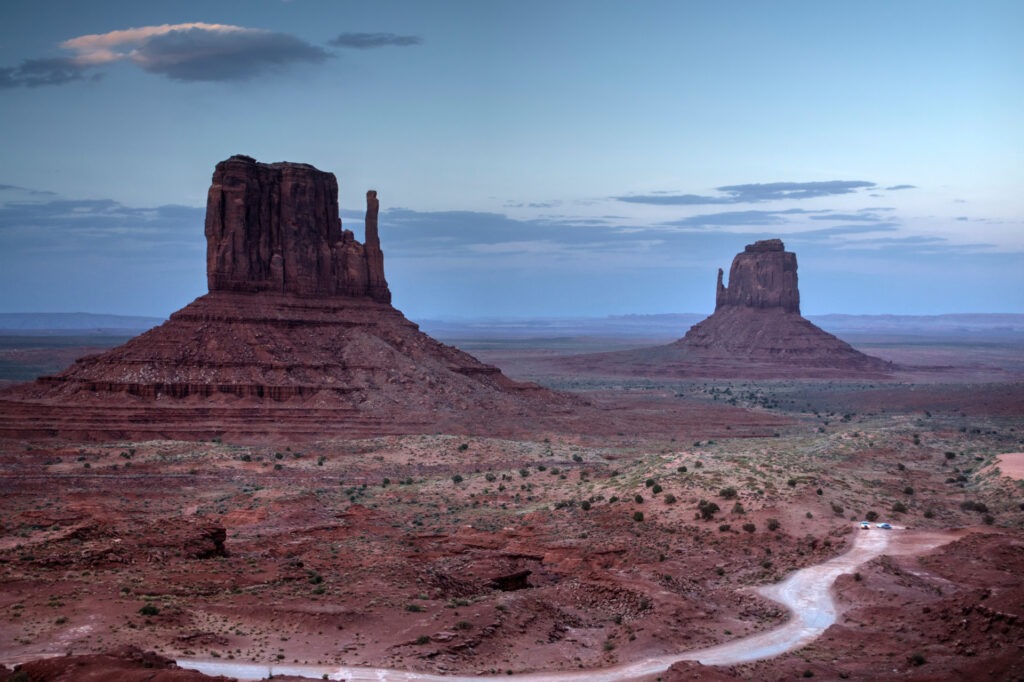
The American Southwest has a way of changing people’s sense of scale. Distances feel larger, silence feels deeper and landscapes seem almost unreal. Red cliffs rise above desert plains, slot canyons twist through sandstone walls and roads disappear into horizons that look untouched for centuries.
For photographers, the Wild West is not simply a collection of famous national parks. It is an enormous living landscape shaped by geology, weather, history and the cultures that have lived there long before photography or tourism existed. The real experience begins once you move beyond viewpoints and highways and start exploring the quieter roads, remote canyons and less predictable corners of the desert.
Over the years, my travels across the Colorado Plateau and the deserts of the American Southwest became much more than photography trips. They turned into long journeys through Navajo lands, hidden slot canyons, volcanic deserts, canyon tracks and remote dirt roads where the journey itself often mattered as much as the destination.
The Southwest Feels Bigger Than Photography
One of the first things photographers notice in the American Southwest is that landscapes behave differently there. Light travels farther. Storms build slowly across huge distances. Shadows become sharper and colors change dramatically within minutes.
Photographing the desert teaches patience very quickly. Midday light can feel brutal and flat, but sunrise and sunset completely transform the terrain. Red sandstone begins glowing orange, canyon walls deepen into dark reds and even empty desert roads suddenly become cinematic.
The best part is that the Southwest never really looks finished. Wind, storms and erosion constantly reshape the landscape. Slot canyons deepen, sandstone crumbles and flash floods redraw parts of the desert every season.
Slot Canyons: Photography Inside the Earth
Few places feel more surreal than slot canyons. Walking into a narrow sandstone passage where sunlight bounces softly between curved walls feels almost like entering another world.
Places like Antelope Canyon became famous for good reason, but photographs rarely capture how these spaces actually feel. The air cools suddenly. Sound changes. Light moves slowly across the rock in ways that feel almost impossible.
Over the years, exploring slot canyons became one of the most fascinating parts of my Southwest photography experience. Some of the strongest moments happened not while photographing famous viewpoints, but while quietly watching reflected light move through sandstone corridors.
Antelope Canyon itself was also unforgettable because of the people connected to the landscape. Conversations and encounters with Navajo guides added a completely different layer to the experience. The canyon is not just a photography location. It is part of a living cultural landscape deeply connected to Navajo history and identity.
Canyon de Chelly: More Than a Landscape
Canyon de Chelly remains one of the most powerful places I have experienced in the American Southwest. Visually, the canyon is extraordinary: massive sandstone walls, isolated rock formations and ancient dwellings hidden beneath cliffs.
But what makes Canyon de Chelly truly special is that it is still inhabited and culturally alive. Unlike many archaeological sites, this is not a place disconnected from modern life.
Some of my most memorable experiences there involved encounters with Navajo families and guides who shared stories about the land, traditions and the relationship between people and the canyon itself.
Photography in places like Canyon de Chelly changes when you begin understanding that landscapes are not empty. They hold memory, history and living culture.
Chaco Canyon and the Feeling of Deep Time
Chaco Canyon feels different from almost anywhere else in the Southwest. The landscape itself is quiet and open, but the human history connected to it feels enormous.
Watching and talking one of the members of Hopi tribe working on the restoration of ceremonial structures there was one of those moments where photography became secondary to simply observing and listening.
Chaco is not only an archaeological site. It is still spiritually important to many Indigenous communities connected to the region.
The desert landscapes around Chaco also create incredible photographic conditions: long evening shadows, huge skies and a sense of isolation that becomes especially powerful after sunset.
Havasupai: Water and Desert Together
One of the most visually surprising places in the Southwest is Havasupai territory deep inside the Grand Canyon region.
The contrast between turquoise water and red canyon walls feels almost unreal. After days spent photographing dry deserts and sandstone formations, suddenly finding waterfalls, green vegetation and flowing water hidden inside the canyon creates a completely different emotional atmosphere.
But again, what makes the place meaningful is not only the scenery. Encounters with the Havasupai people and understanding that this is their homeland changes the way you experience the landscape.
Travel photography becomes richer when places stop being treated as empty scenery and start being understood as living environments connected to real communities.
Off-Road Travel and Desert Roads
Some of the best photography locations in the American Southwest require leaving paved roads behind.
Routes such as Hole-in-the-Rock Road, remote desert tracks near Escalante or the dramatic Shafer Trail in Canyonlands turn travel itself into part of the adventure.
Driving through these landscapes changes your relationship with distance. Progress becomes slower. Weather matters more. Fuel, water and timing become essential.
And somewhere along those rough roads, photography often improves because you stop rushing.
National Parks and Beyond
The Southwest’s national parks deserve their reputation. Zion, Bryce Canyon, Arches, Canyonlands, Capitol Reef and Monument Valley remain extraordinary places for landscape photography.
But some of the most rewarding experiences happen between the parks: isolated dirt roads, forgotten viewpoints, empty mesas, abandoned trading posts and unnamed sandstone formations glowing in evening light.
That is where the Southwest starts feeling less like tourism and more like exploration.
Light in the Desert
Desert light behaves differently from almost anywhere else. Dry air creates incredible visibility, while storms and dust can completely transform color and atmosphere.
Good desert photography depends heavily on timing:
- sunrise creates softer textures and cooler tones,
- sunset intensifies red rock colors dramatically,
- storm light produces some of the most cinematic conditions,
- moonlight and stars work beautifully in desert landscapes.
The Southwest also teaches photographers to appreciate shadow. In canyons and desert cliffs, shadows become just as important as the illuminated rock itself.
The Human Side of Desert Photography
One thing I learned over years of photographing the Southwest is that the strongest memories rarely come only from landscapes.
They come from people met along the way: Navajo guides explaining canyon history, conversations near trading posts, Hopi craftsmen restoring ceremonial structures or the feeling of being welcomed into places that are still deeply meaningful to local communities.
The desert becomes much richer when photography includes curiosity and respect for the people connected to the land.
Why the Southwest Keeps Pulling People Back
Many photographers return to the American Southwest repeatedly. Partly because the landscapes are endless, but also because the region never really reveals itself completely.
Every storm changes the light. Every season changes the roads. Every canyon feels different depending on weather, silence and time of day.
And the deeper you travel into the desert, the more the journey becomes about experience rather than simply collecting photographs.
Common Mistakes During Southwest Photography Expeditions
- trying to visit too many places too quickly,
- photographing only famous viewpoints,
- ignoring weather and storm conditions,
- underestimating desert distances,
- forgetting enough water and fuel,
- treating Indigenous lands only as tourist attractions,
- missing the importance of light and timing.
The Southwest Is About More Than Spectacular Landscapes
What makes the American Wild West unforgettable is not only the scenery itself. It is the feeling of movement through enormous space, the silence of desert roads, the unpredictability of weather and the sense that geology and human history are deeply connected.
Photography becomes stronger there because the landscape constantly reminds you to slow down, observe carefully and remain open to unexpected moments.
Some of the best memories happen far from famous overlooks: on empty roads, inside quiet slot canyons or during conversations with people who have lived with these landscapes for generations.
Frequently Asked Questions
What is the best season for Southwest photography?
Spring and autumn usually offer the best balance of light, temperatures and weather conditions, although winter storms can create spectacular landscapes as well.
Are slot canyons difficult to photograph?
They can be challenging because of low light and strong contrast, but they also offer incredible opportunities for abstract and atmospheric photography.
Do I need a 4×4 vehicle in the Southwest?
For many remote locations and desert tracks, yes. Roads such as Hole-in-the-Rock Road or remote canyon routes often require higher clearance and careful driving.
Why are Indigenous cultures important in Southwest travel?
Many landscapes are part of living cultural traditions and communities. Understanding that connection adds depth and meaning to both travel and photography.
Why do photographers keep returning to the American Southwest?
The combination of light, geology, weather, scale and cultural history creates landscapes that feel endlessly varied and emotionally powerful.
Useful Links
- dfoto.pl – landscape and travel photography
- American Southwest photography galleries
- Photography expeditions and adventure travel
Conclusion
The deserts and red rock landscapes of the American Wild West offer much more than dramatic scenery. They create a kind of travel that feels slower, deeper and more connected to both nature and history.
From slot canyons and volcanic deserts to Navajo lands, Hopi cultural sites and remote canyon roads, the Southwest constantly reminds photographers that landscapes are never truly empty. They are shaped by geology, weather and generations of human stories.
That combination of adventure, photography and cultural experience is what makes the American Southwest one of the most unforgettable regions in the world to explore with a camera.