El Suroeste americano tiene una forma especial de cambiar la percepción humana de la escala. Las distancias parecen más grandes, el silencio más profundo y los paisajes casi irreales. Acantilados rojos se elevan sobre llanuras desérticas, cañones de ranura serpentean entre paredes de arenisca y las carreteras desaparecen hacia horizontes que parecen intactos desde hace siglos.
Para los fotógrafos, el Salvaje Oeste no es simplemente una colección de famosos parques nacionales. Es un enorme paisaje vivo, modelado por la geología, el clima, la historia y las culturas que vivieron allí mucho antes de que existieran la fotografía o el turismo. La verdadera experiencia empieza cuando se dejan atrás los miradores y las carreteras principales para explorar caminos más tranquilos, cañones remotos y rincones del desierto menos previsibles.
A lo largo de los años, mis viajes por la Meseta del Colorado y los desiertos del Suroeste americano se convirtieron en mucho más que viajes fotográficos. Se transformaron en largas travesías por tierras Navajo, cañones de ranura escondidos, desiertos volcánicos, pistas entre cañones y remotas carreteras de tierra donde el propio viaje a menudo importaba tanto como el destino.
El Suroeste se siente más grande que la fotografía
Una de las primeras cosas que notan los fotógrafos en el Suroeste americano es que los paisajes allí se comportan de otra manera. La luz viaja más lejos. Las tormentas se forman lentamente a través de enormes distancias. Las sombras se vuelven más definidas y los colores pueden cambiar de forma dramática en cuestión de minutos.
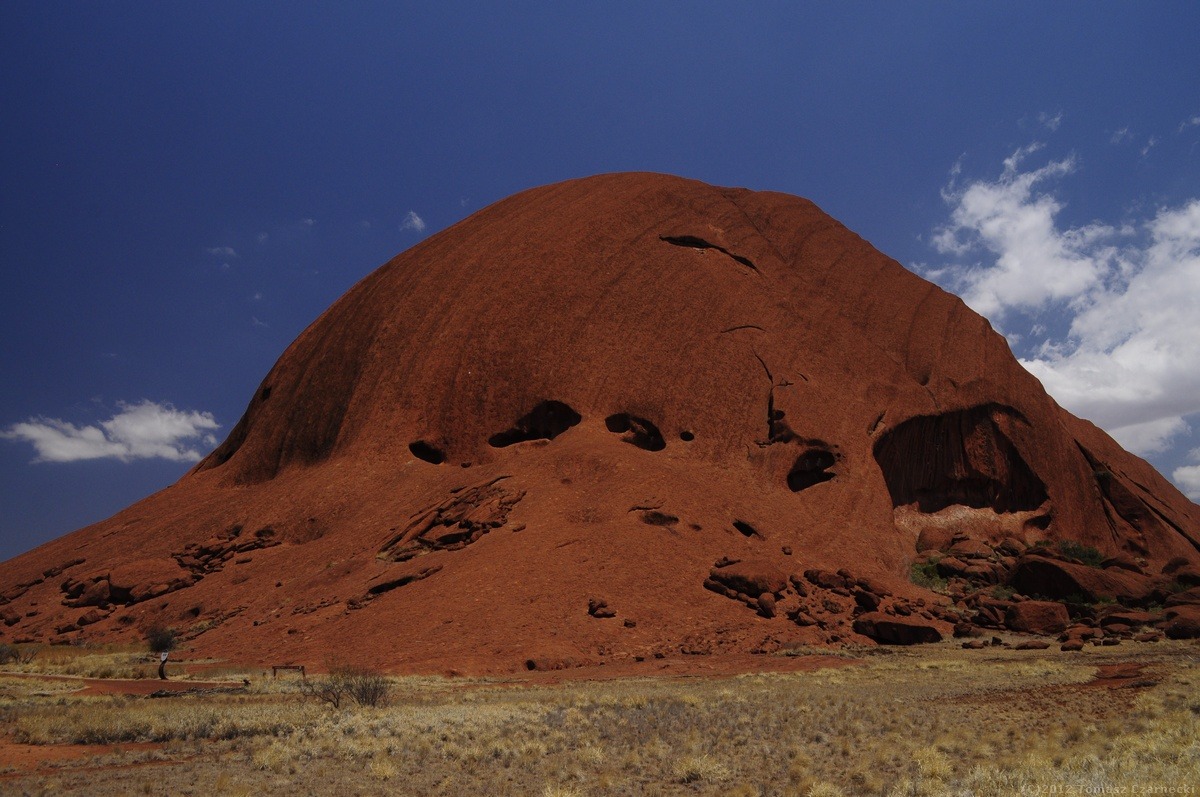
Fotografiar el desierto enseña paciencia muy rápido. La luz del mediodía puede parecer dura y plana, pero el amanecer y el atardecer transforman completamente el terreno. La arenisca roja empieza a brillar en tonos anaranjados, las paredes de los cañones se vuelven de un rojo más profundo y hasta las carreteras desiertas parecen de pronto cinematográficas.
Lo mejor es que el Suroeste nunca parece realmente terminado. El viento, las tormentas y la erosión remodelan constantemente el paisaje. Los cañones de ranura se hacen más profundos, la arenisca se desmorona y las crecidas repentinas vuelven a dibujar partes del desierto cada temporada.
Cañones de ranura: fotografía dentro de la Tierra
Pocos lugares se sienten más surrealistas que los cañones de ranura. Entrar en un estrecho pasaje de arenisca donde la luz del sol rebota suavemente entre paredes curvas se parece casi a entrar en otro mundo.
Lugares como Antelope Canyon se hicieron famosos por buenas razones, pero las fotografías rara vez capturan cómo se sienten realmente estos espacios. El aire se enfría de repente. El sonido cambia. La luz se mueve lentamente sobre la roca de formas que parecen casi imposibles.
Con los años, explorar cañones de ranura se convirtió en una de las partes más fascinantes de mi experiencia fotográfica en el Suroeste. Algunos de los momentos más intensos no ocurrieron al fotografiar miradores famosos, sino al observar en silencio cómo la luz reflejada se movía por los corredores de arenisca.
Antelope Canyon también fue inolvidable por las personas conectadas con ese paisaje. Las conversaciones y encuentros con guías Navajo añadieron una capa completamente distinta a la experiencia. El cañón no es solo una localización fotográfica. Es parte de un paisaje cultural vivo, profundamente conectado con la historia y la identidad Navajo.
Canyon de Chelly: más que un paisaje
Canyon de Chelly sigue siendo uno de los lugares más poderosos que he vivido en el Suroeste americano. Visualmente, el cañón es extraordinario: enormes paredes de arenisca, formaciones rocosas aisladas y antiguas viviendas ocultas bajo los acantilados.
Pero lo que hace que Canyon de Chelly sea realmente especial es que todavía está habitado y culturalmente vivo. A diferencia de muchos yacimientos arqueológicos, no es un lugar desconectado de la vida moderna.
Algunas de mis experiencias más memorables allí estuvieron relacionadas con encuentros con familias y guías Navajo, que compartieron historias sobre la tierra, las tradiciones y la relación entre las personas y el propio cañón.
La fotografía en lugares como Canyon de Chelly cambia cuando empiezas a comprender que los paisajes no están vacíos. Guardan memoria, historia y cultura viva.
Chaco Canyon y la sensación del tiempo profundo
Chaco Canyon se siente diferente de casi cualquier otro lugar del Suroeste. El paisaje en sí es silencioso y abierto, pero la historia humana conectada con él parece inmensa.
Ver a personas Hopi trabajando en la restauración de estructuras ceremoniales fue uno de esos momentos en los que la fotografía pasa a un segundo plano frente al simple hecho de observar y escuchar.
Chaco no es solo un yacimiento arqueológico. Sigue teniendo importancia espiritual para muchas comunidades indígenas conectadas con la región.
Los paisajes desérticos alrededor de Chaco también crean condiciones fotográficas increíbles: largas sombras al atardecer, cielos inmensos y una sensación de aislamiento que se vuelve especialmente poderosa después de la puesta de sol.
Havasupai: agua y desierto juntos
Uno de los lugares visualmente más sorprendentes del Suroeste es el territorio Havasupai, en lo profundo de la región del Gran Cañón.
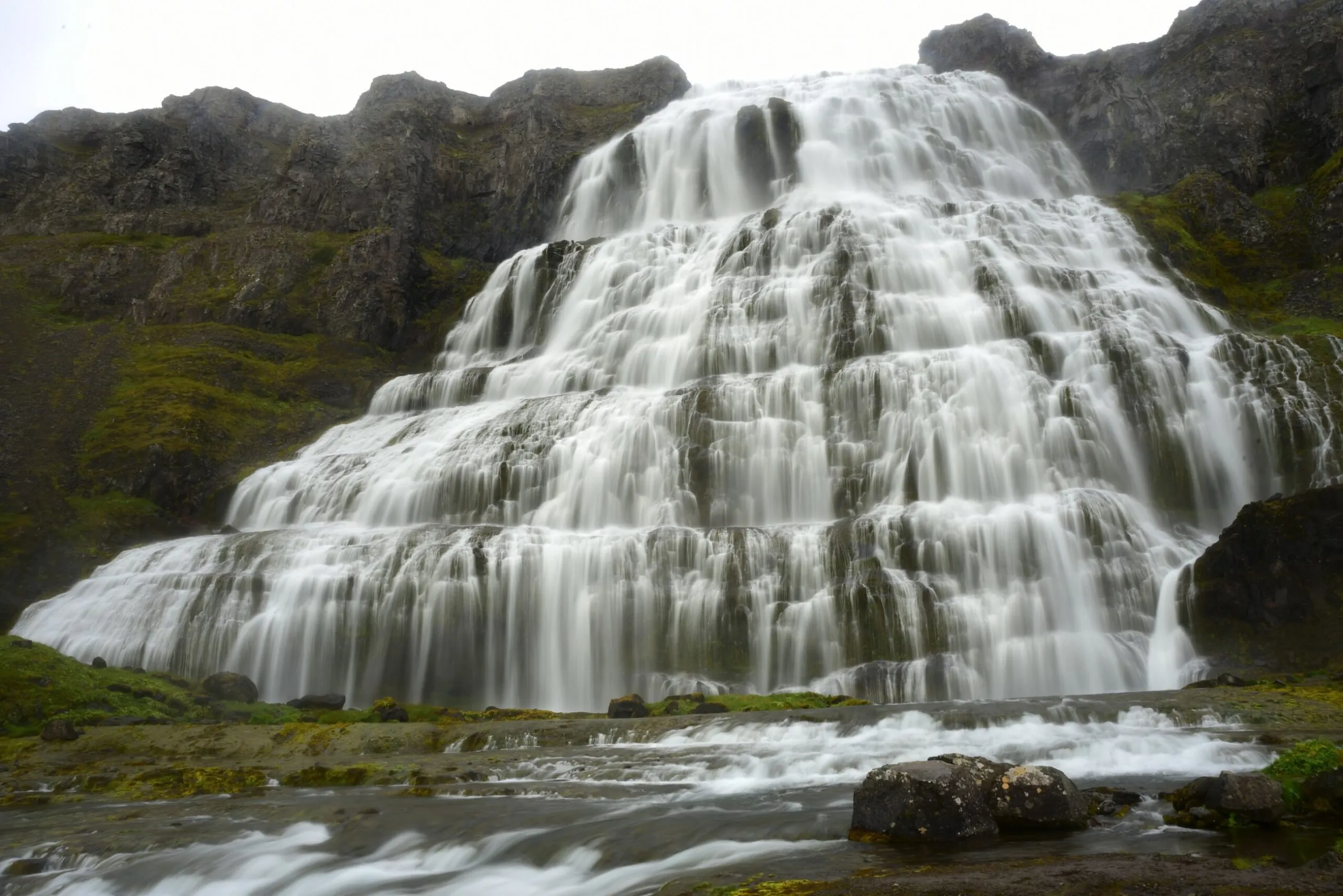
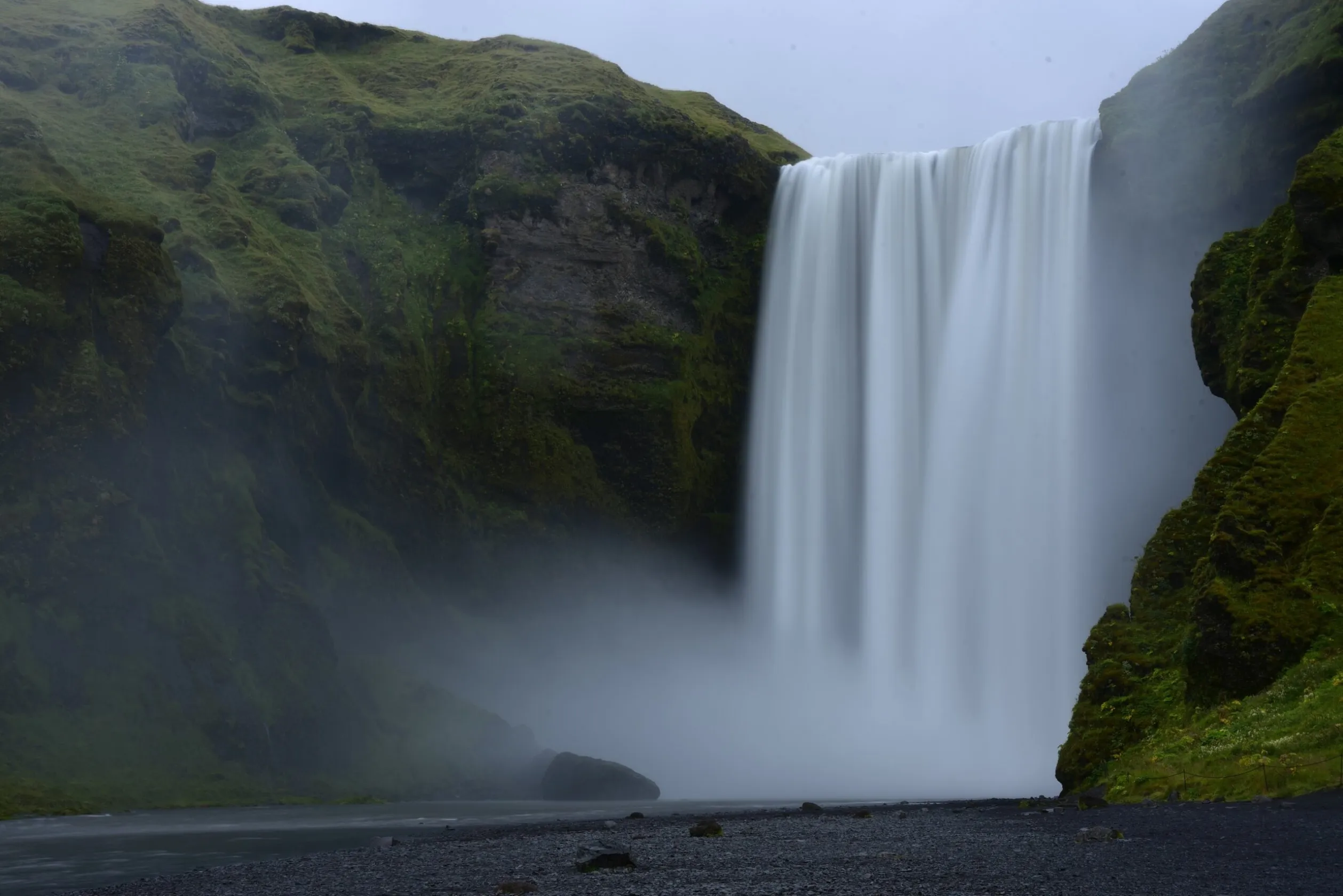
El contraste entre el agua turquesa y las paredes rojas del cañón parece casi irreal. Después de días fotografiando desiertos secos y formaciones de arenisca, encontrar de repente cascadas, vegetación verde y agua corriente escondidas dentro del cañón crea una atmósfera emocional completamente distinta.
Pero, una vez más, lo que hace significativo este lugar no es solo el paisaje. Los encuentros con el pueblo Havasupai y la comprensión de que esta es su tierra natal cambian la forma de experimentar el entorno.
La fotografía de viaje se vuelve más rica cuando los lugares dejan de tratarse como escenarios vacíos y empiezan a entenderse como entornos vivos conectados con comunidades reales.
Viajes todoterreno y carreteras del desierto
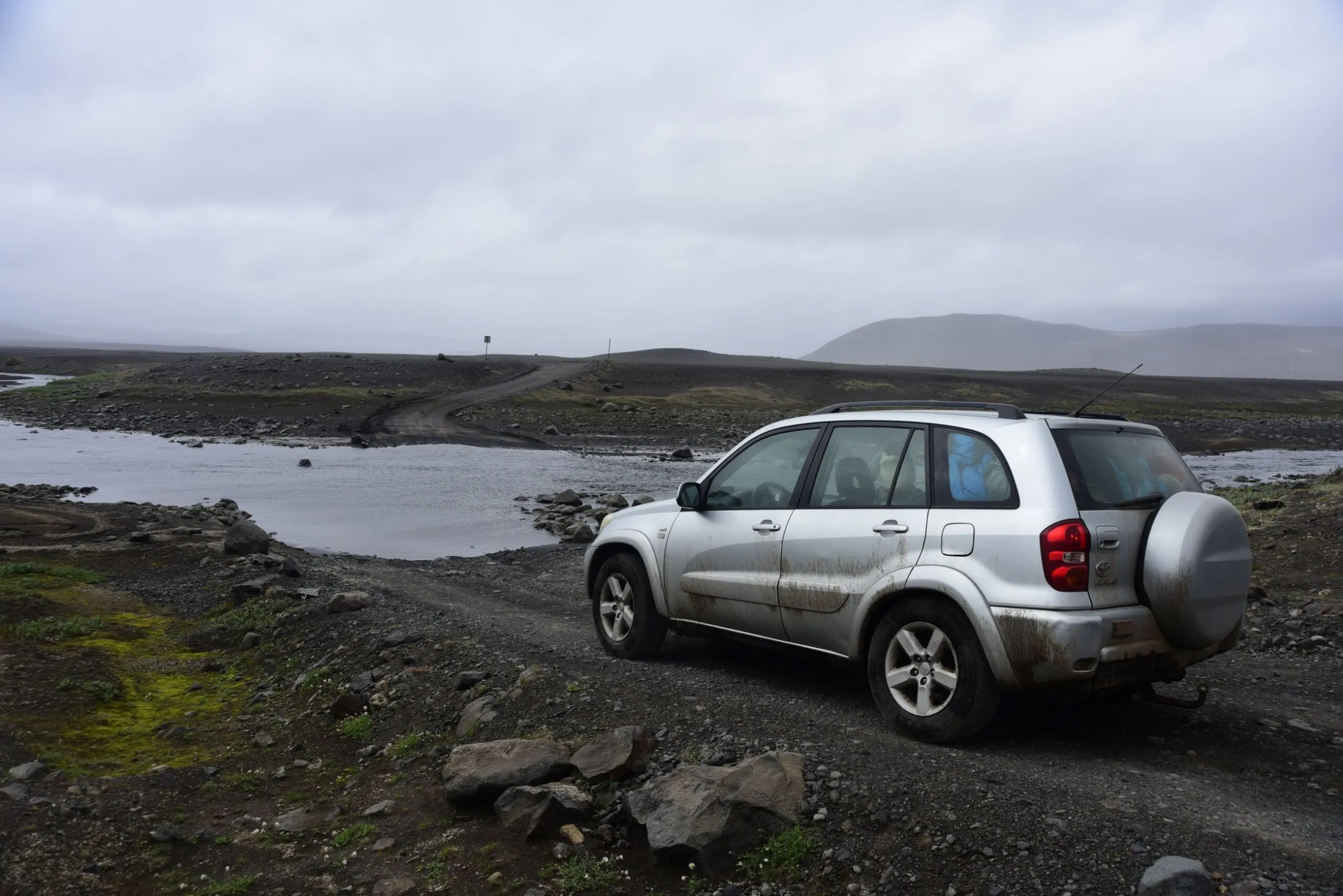
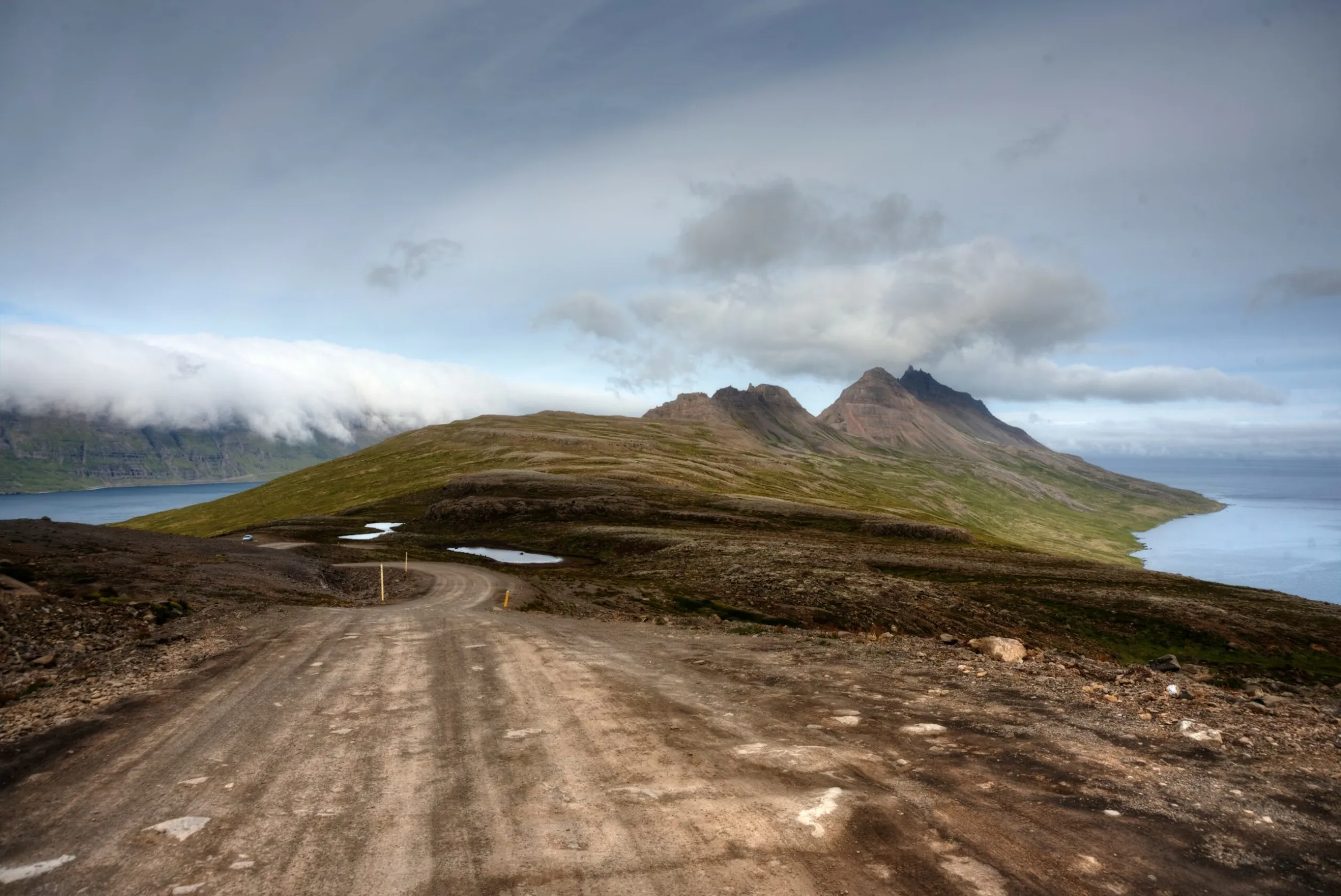
Algunas de las mejores localizaciones fotográficas del Suroeste americano requieren dejar atrás las carreteras asfaltadas.
Rutas como Hole-in-the-Rock Road, pistas desérticas remotas cerca de Escalante o el espectacular Shafer Trail en Canyonlands convierten el propio viaje en parte de la aventura.
Conducir por estos paisajes cambia la relación con la distancia. El avance se vuelve más lento. El clima importa más. El combustible, el agua y el tiempo se vuelven esenciales.
Y en algún punto de esas carreteras difíciles, la fotografía suele mejorar porque dejas de tener prisa.
Parques nacionales y más allá
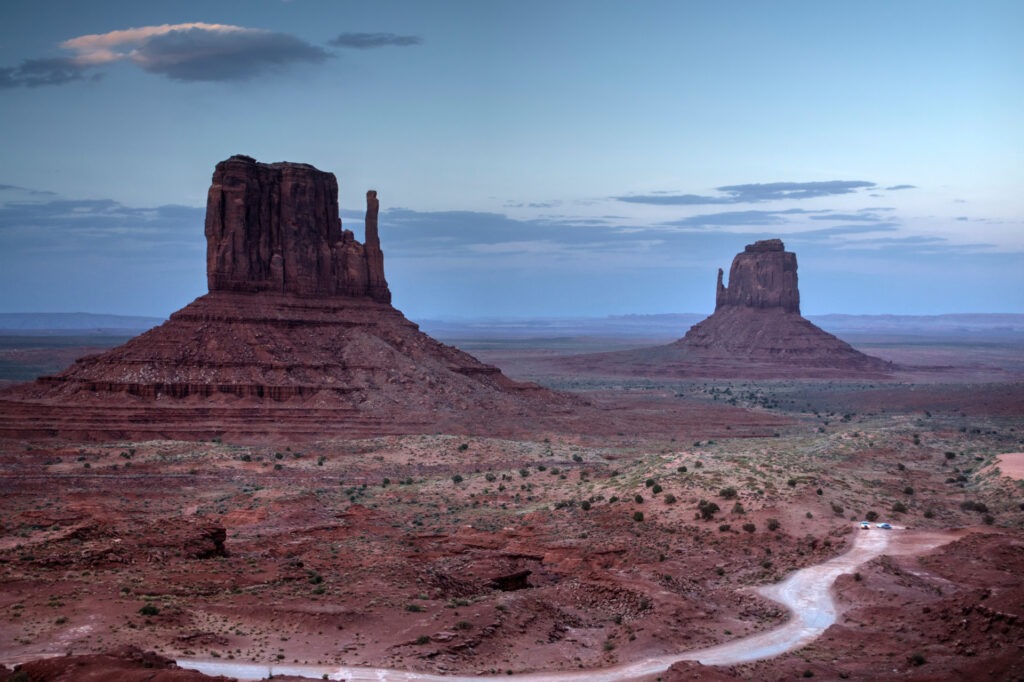
Los parques nacionales del Suroeste merecen su reputación. Zion, Bryce Canyon, Arches, Canyonlands, Capitol Reef y Monument Valley siguen siendo lugares extraordinarios para la fotografía de paisaje.
Pero algunas de las experiencias más gratificantes ocurren entre los parques: carreteras de tierra aisladas, miradores olvidados, mesas vacías, antiguos puestos comerciales abandonados y formaciones de arenisca sin nombre que brillan con la luz del atardecer.
Ahí es donde el Suroeste empieza a sentirse menos como turismo y más como exploración.
La luz en el desierto
La luz del desierto se comporta de manera distinta a casi cualquier otro lugar. El aire seco crea una visibilidad increíble, mientras que las tormentas y el polvo pueden transformar por completo el color y la atmósfera.
Una buena fotografía del desierto depende mucho del momento adecuado:
- el amanecer crea texturas más suaves y tonos más fríos,
- el atardecer intensifica de forma dramática los colores de las rocas rojas,
- la luz de tormenta produce algunas de las condiciones más cinematográficas,
- la luz de la luna y las estrellas funcionan maravillosamente en los paisajes desérticos.
El Suroeste también enseña a los fotógrafos a apreciar la sombra. En los cañones y acantilados del desierto, las sombras se vuelven tan importantes como la roca iluminada.
El lado humano de la fotografía del desierto
Una cosa que aprendí durante años fotografiando el Suroeste es que los recuerdos más intensos rara vez vienen solo de los paisajes.
Vienen de las personas encontradas por el camino: guías Navajo que explican la historia de los cañones, conversaciones cerca de antiguos puestos comerciales, artesanos Hopi restaurando estructuras ceremoniales o la sensación de ser bienvenido en lugares que siguen teniendo un profundo significado para las comunidades locales.
El desierto se vuelve mucho más rico cuando la fotografía incluye curiosidad y respeto por las personas conectadas con esa tierra.
Por qué el Suroeste sigue atrayendo a la gente
Muchos fotógrafos regresan una y otra vez al Suroeste americano. En parte porque los paisajes parecen infinitos, pero también porque la región nunca se revela por completo.
Cada tormenta cambia la luz. Cada estación cambia las carreteras. Cada cañón se siente distinto según el clima, el silencio y la hora del día.
Y cuanto más te adentras en el desierto, más se convierte el viaje en una experiencia, no solo en una colección de fotografías.
Errores comunes durante las expediciones fotográficas por el Suroeste
- intentar visitar demasiados lugares demasiado rápido,
- fotografiar solo miradores famosos,
- ignorar el clima y las condiciones de tormenta,
- subestimar las distancias del desierto,
- olvidar suficiente agua y combustible,
- tratar las tierras indígenas solo como atracciones turísticas,
- pasar por alto la importancia de la luz y el momento adecuado.
El Suroeste es más que paisajes espectaculares
Lo que hace inolvidable al Salvaje Oeste americano no es solo el paisaje en sí. Es la sensación de moverse por un espacio enorme, el silencio de las carreteras desérticas, la imprevisibilidad del clima y la impresión de que la geología y la historia humana están profundamente conectadas.
La fotografía se vuelve más fuerte allí porque el paisaje te recuerda constantemente que debes bajar el ritmo, observar con atención y permanecer abierto a los momentos inesperados.
Algunos de los mejores recuerdos ocurren lejos de los miradores famosos: en carreteras vacías, dentro de cañones de ranura silenciosos o durante conversaciones con personas que han vivido con estos paisajes durante generaciones.
Preguntas frecuentes
¿Cuál es la mejor temporada para fotografiar el Suroeste?
La primavera y el otoño suelen ofrecer el mejor equilibrio entre luz, temperaturas y condiciones climáticas, aunque las tormentas de invierno también pueden crear paisajes espectaculares.
¿Son difíciles de fotografiar los cañones de ranura?
Pueden ser exigentes por la poca luz y el fuerte contraste, pero también ofrecen oportunidades increíbles para la fotografía abstracta y atmosférica.
¿Necesito un vehículo 4×4 en el Suroeste?
Para muchas localizaciones remotas y pistas del desierto, sí. Carreteras como Hole-in-the-Rock Road o rutas remotas por cañones suelen requerir mayor altura libre y conducción cuidadosa.
¿Por qué son importantes las culturas indígenas en los viajes por el Suroeste?
Muchos paisajes forman parte de tradiciones culturales y comunidades vivas. Comprender esa conexión añade profundidad y significado tanto al viaje como a la fotografía.
¿Por qué los fotógrafos siguen volviendo al Suroeste americano?
La combinación de luz, geología, clima, escala e historia cultural crea paisajes que parecen infinitamente variados y emocionalmente poderosos.
Enlaces útiles
- dfoto.pl – fotografía de paisaje y viaje
- Galerías fotográficas del Suroeste americano
- Expediciones fotográficas y viajes de aventura
Conclusión
Los desiertos y paisajes de roca roja del Salvaje Oeste americano ofrecen mucho más que escenarios dramáticos. Crean un tipo de viaje que se siente más lento, más profundo y más conectado tanto con la naturaleza como con la historia.
Desde cañones de ranura y desiertos volcánicos hasta tierras Navajo, lugares culturales Hopi y carreteras remotas entre cañones, el Suroeste recuerda constantemente a los fotógrafos que los paisajes nunca están realmente vacíos. Están moldeados por la geología, el clima y generaciones de historias humanas.
Esa combinación de aventura, fotografía y experiencia cultural es lo que convierte al Suroeste americano en una de las regiones más inolvidables del mundo para explorar con una cámara.