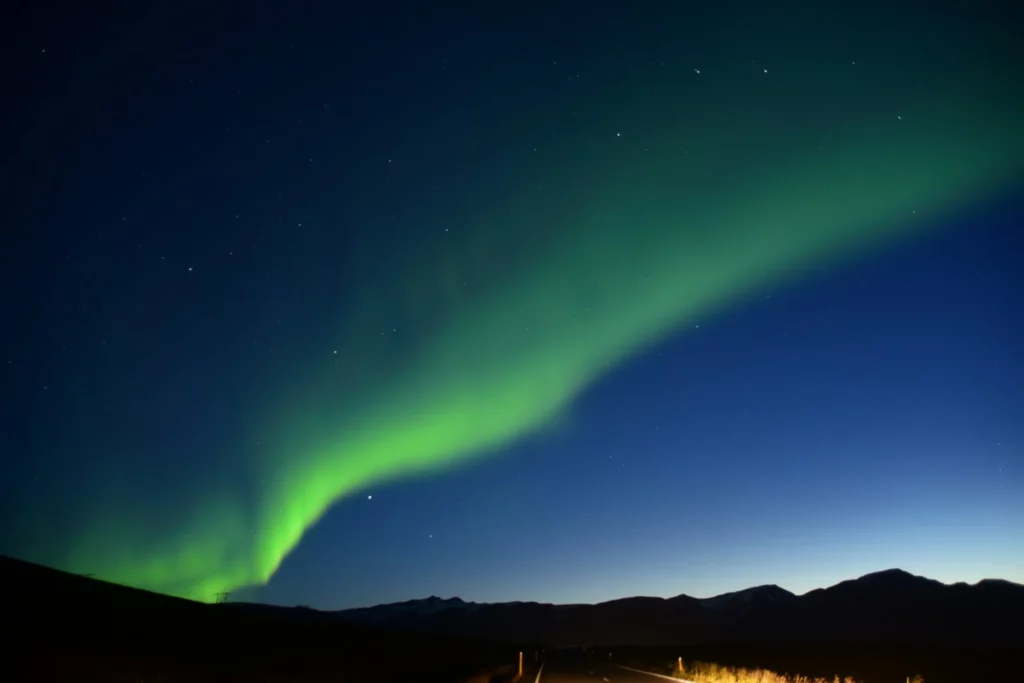
There are few travel experiences that feel as emotional and unpredictable as seeing the northern lights for the first time. No matter how many photographs someone has seen before, the real experience is different. The sky moves. Light shifts and changes shape. Green arcs suddenly grow into waves stretching across the horizon. Sometimes the aurora appears quietly, almost gently. Other times it fills the entire sky with movement.
For photographers, northern lights expeditions are not only about capturing a natural phenomenon. They are about winter landscapes, long nights, changing weather and the atmosphere of the Arctic itself. The experience is as much about the journey as the photographs.
Aurora photography teaches patience very quickly. Some nights the sky explodes with color. Other nights involve driving through snowstorms, waiting under clouds or standing quietly in freezing wind hoping for a brief clearing. That uncertainty is part of what makes the experience so memorable.
The North Feels Different
Traveling far north during winter changes the rhythm of everyday life. Days become shorter, landscapes quieter and weather more important. Snow reflects even small amounts of light, and the entire environment feels calmer and more focused.
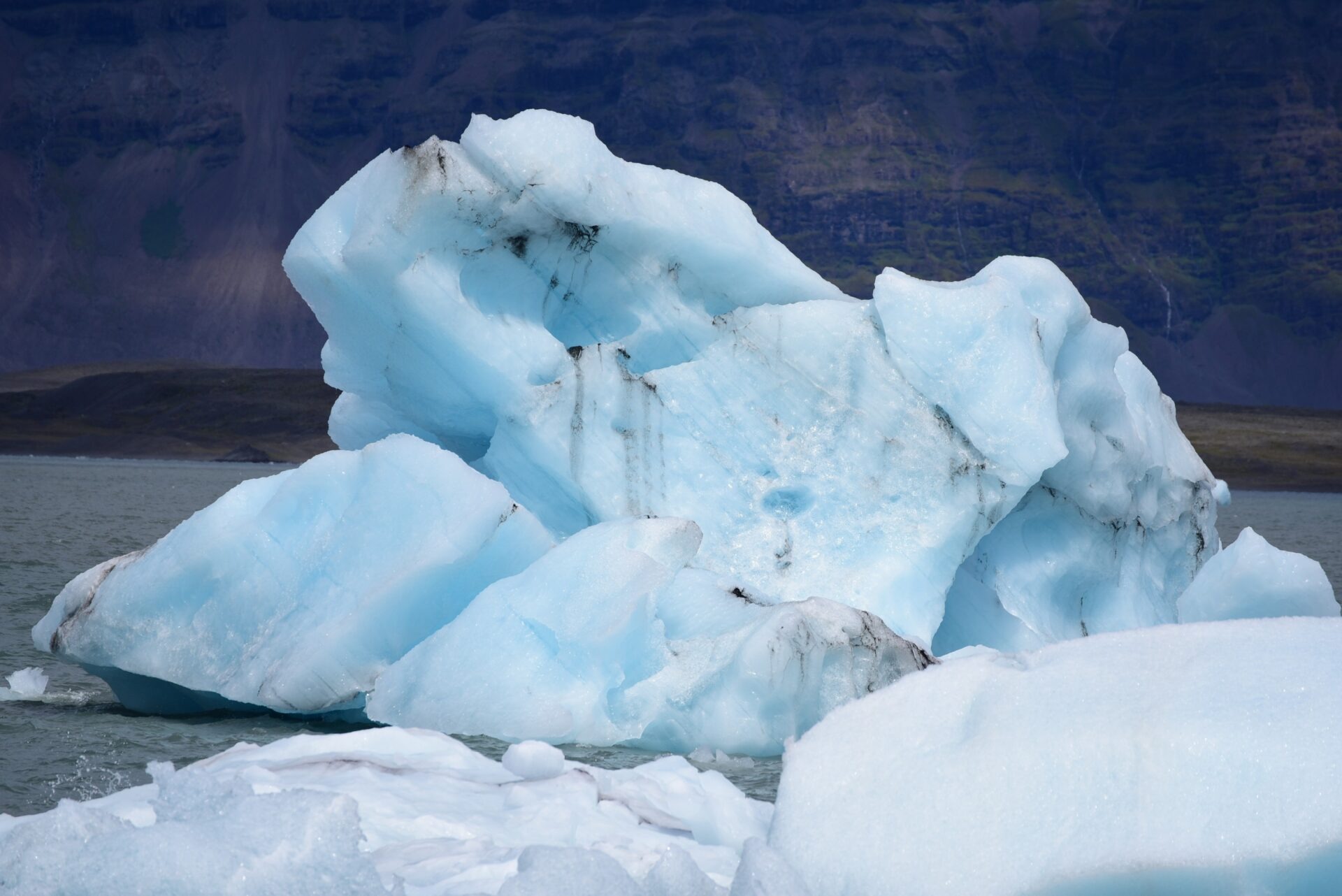
Whether in Iceland, northern Norway, Finnish Lapland or Arctic Sweden, the feeling is similar: wide open landscapes, cold air, changing skies and a strong sense of space.
For photographers, this atmosphere matters just as much as the aurora itself. Some of the most memorable moments happen before the lights appear: driving through snowy roads at night, watching clouds slowly clear or standing under a sky full of stars in complete silence.
The Aurora Is Never Guaranteed
One of the first things every northern lights photographer learns is that aurora chasing requires humility. Unlike scheduled tourist attractions, the northern lights follow their own rhythm.
You need three things at the same time:
- aurora activity,
- dark skies,
- clear weather.
Even strong solar activity means very little if clouds cover the sky. This is why flexibility and mobility are essential during photography expeditions.
Some of the best aurora trips involve long drives, weather tracking and changing plans at the last minute. In the Arctic, weather often becomes the most important part of the expedition.
Why Patience Matters So Much
Northern lights photography is not constant action. Much of the experience involves waiting, observing and reacting slowly to changing conditions.
Sometimes the aurora appears suddenly for only a few minutes. Sometimes it starts weak and slowly grows stronger over several hours. On other nights nothing happens at all.
This waiting changes how photographers experience the landscape. You begin paying attention to clouds, moonlight, snow textures and subtle changes in the sky.
In many ways, aurora photography teaches people to slow down and simply observe.
Photographing the Northern Lights
Technically, aurora photography is not extremely complicated, but it does require preparation and practice. Most photographers use:
- a stable tripod,
- a wide-angle lens,
- manual focus,
- high ISO settings,
- exposure times adjusted to aurora movement.
But camera settings alone are never enough. Composition still matters.
The strongest northern lights photographs usually include more than just the sky. Mountains, frozen lakes, snowy trees, coastlines or small human elements help create depth and atmosphere.
A good aurora image is not only about green light overhead. It is about the relationship between sky, landscape and mood.
Weather Is Everything
Weather controls almost every part of a northern lights expedition. Clouds can completely hide strong aurora activity, while even small clearings may suddenly reveal an incredible display.
This is why photographers constantly monitor forecasts, satellite images and cloud movement during expeditions.
Arctic weather also changes quickly. Snow, fog, wind and freezing temperatures are normal parts of the experience.
And yet, difficult weather often creates the most memorable moments. Fresh snow after a storm, moonlight through clouds or brief openings in the sky can completely transform the landscape.
Driving Through the Arctic Night
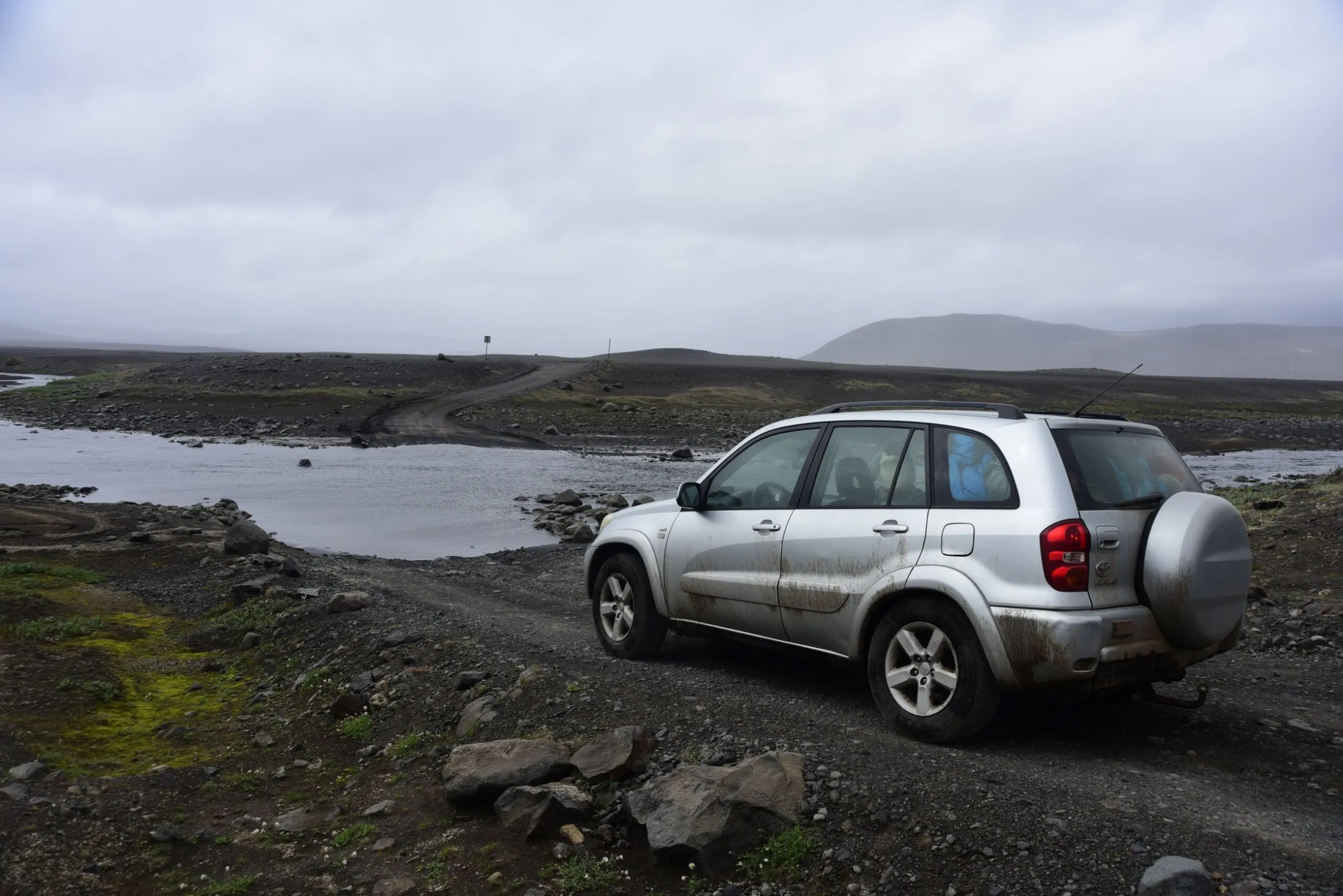
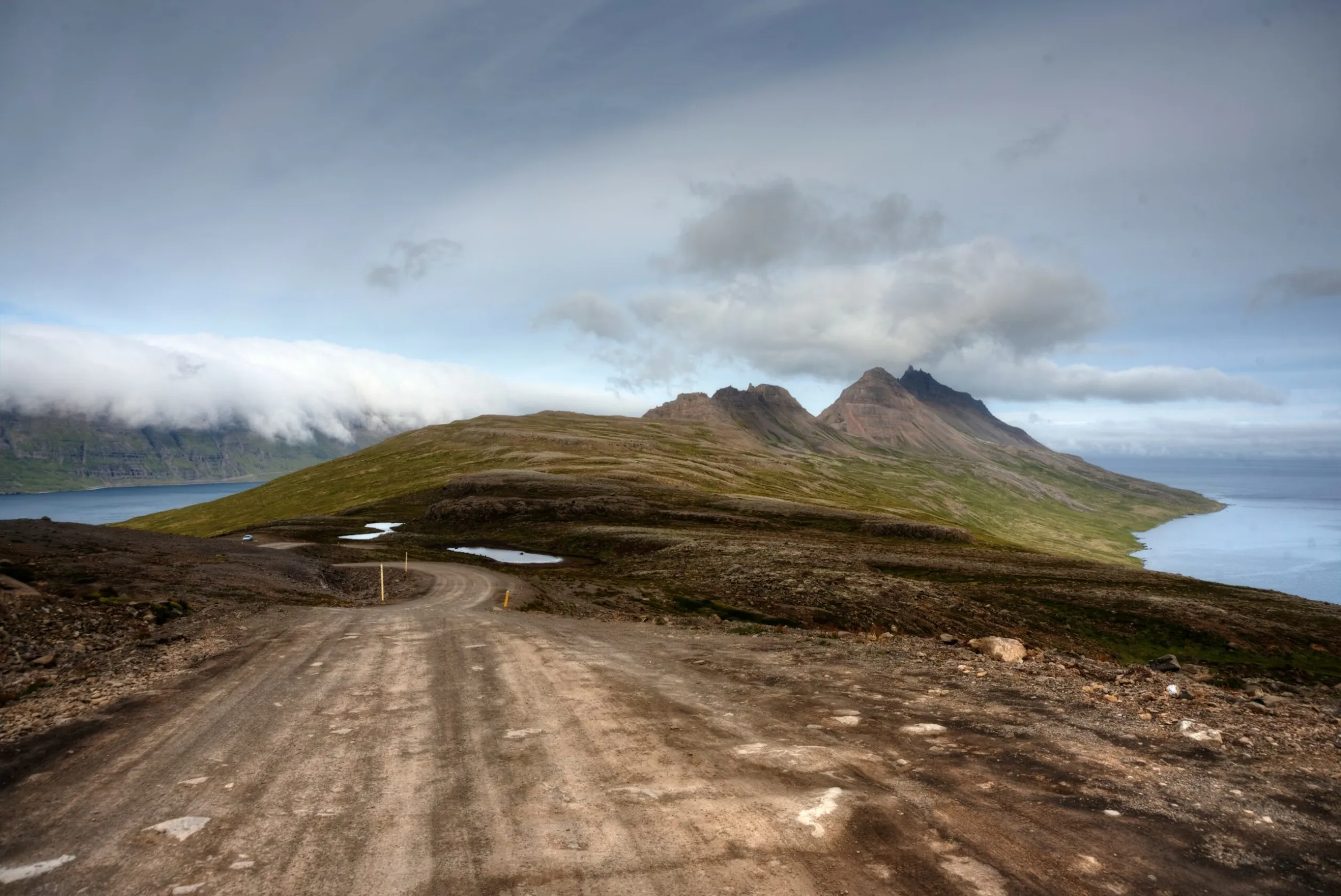
Many northern lights expeditions involve a surprising amount of driving. This is especially true in places like Iceland or northern Norway, where mobility can make the difference between cloudy skies and clear conditions.
Driving at night through Arctic landscapes becomes part of the adventure itself. Snow-covered roads, isolated mountain passes and frozen coastlines create a very different feeling from ordinary travel.
Some nights involve hours of searching for clear sky. Other times the aurora appears unexpectedly during the drive itself, forcing a sudden stop beside the road and a quick setup in freezing wind.
Those moments often become the stories people remember most.
The Human Side of Aurora Expeditions
One of the nicest parts of northern lights photography trips is the shared experience. Waiting together under cold skies creates a very different atmosphere from normal tourism.
People talk quietly, watch the horizon and help each other with camera settings or warm drinks. Then suddenly someone notices movement in the sky and the entire group becomes silent for a moment.
Even experienced photographers still react emotionally when the aurora becomes strong. There is something deeply human about watching the sky move above a dark winter landscape.
Cold Weather and Photography Equipment
Winter photography always requires some preparation. Batteries drain faster in low temperatures, lenses fog easily and working with gloves can become difficult.
Useful equipment usually includes:
- extra batteries kept warm inside pockets,
- a sturdy tripod,
- headlamps with red light mode,
- layered winter clothing,
- hand warmers,
- weather protection for cameras.
Comfort matters more than many people expect. It is difficult to photograph creatively when hands are freezing after ten minutes outside.
Not Every Night Needs Strong Aurora
One interesting thing about northern lights photography is that successful trips are not measured only by aurora intensity.
Some of the most beautiful Arctic photographs happen during quieter moments: blue twilight over snow-covered mountains, moonlit winter landscapes or soft aurora reflections on frozen lakes.
The north offers much more than only the lights themselves.
Why People Return to the Arctic Again and Again
Many photographers who visit the Arctic once eventually return. Part of the attraction is the unpredictability. Every winter is different, every night sky changes and every landscape reacts differently to weather and light.
But there is also something else: northern travel creates a rare sense of calm and distance from everyday life.
The combination of darkness, snow, silence and moving light overhead creates an experience that feels both peaceful and dramatic at the same time.
Common Mistakes During Northern Lights Expeditions
- expecting constant strong aurora activity,
- ignoring weather forecasts,
- focusing only on the sky and forgetting composition,
- not dressing warmly enough,
- using unstable tripods,
- staying only near hotels instead of chasing clear conditions,
- thinking camera settings matter more than light and atmosphere.
The Best Aurora Photographs Tell a Bigger Story
The strongest northern lights images usually communicate more than the aurora itself. They show the feeling of being there: the cold air, the empty roads, the winter silence and the scale of the northern landscape.
This is why northern lights photography becomes much more than technical night photography. It becomes a form of travel storytelling.
The best photographs are often the ones that remind people not only what the sky looked like, but what the entire night felt like.
Frequently Asked Questions
When is the best time for northern lights photography?
The best season usually runs from September to March, depending on location and weather conditions.
Do you need professional equipment for aurora photography?
No. A camera with manual settings, a tripod and a reasonably wide lens are enough to begin photographing the northern lights.
Why are some northern lights trips unsuccessful?
The aurora depends on both solar activity and clear weather. Clouds are often the biggest challenge during Arctic photography expeditions.
Which countries are best for northern lights expeditions?
Iceland, Norway, Finland and Sweden are among the most popular destinations because they combine strong aurora visibility with dramatic winter landscapes.
Is northern lights photography difficult?
The technical basics are manageable for most photographers, but weather, cold conditions and timing make aurora photography more challenging in practice.
Useful Links
- NOAA – Space Weather Center
- Metelogix – Aurora predictions for Iceland
- Space Weather Live- Aurora Forecast
- Eclipses.eu – photography expeditions and Arctic travel
- dfoto.pl – travel and landscape photography
- Iceland photography galleries
- Northern landscapes and Arctic photography
Conclusion
Northern lights expeditions are about much more than photographing the aurora. They combine winter landscapes, changing weather, long nights and the experience of traveling through the Arctic.
The lights themselves are unpredictable, and that uncertainty is part of what makes the experience meaningful. Some nights bring dramatic displays across the entire sky. Others offer only quiet moments under clouds and snow.
But together, those moments create something much bigger than a photography trip. They create the feeling of truly experiencing the north.