Esistono luoghi nel mondo in cui è facile capire che la Terra non è né immobile né compiuta. I vulcani ricordano che il pianeta cambia continuamente. La lava crea nuova terra, il suolo si spacca, il vapore sale da sotto la superficie e un paesaggio può apparire diverso rispetto a pochi mesi prima. Proprio per questo le spedizioni sui vulcani appartengono alle esperienze di viaggio e fotografia più straordinarie.
Per molte persone il primo incontro con un vulcano attivo è difficile da descrivere. Non è soltanto la vista di una montagna. È l’esperienza dello spazio, del calore, dell’odore di zolfo, del suono del vento sopra un campo di lava o della consapevolezza che sotto i piedi si trova un luogo ancora geologicamente vivo. I paesaggi vulcanici possono essere allo stesso tempo belli, severi e inquietanti.
Le spedizioni sui vulcani uniscono fotografia di paesaggio, trekking, geologia e avventura. Sono viaggi per persone che vogliono vedere luoghi modellati dai processi più primordiali del nostro pianeta.
Perché i vulcani affascinano viaggiatori e fotografi?
I vulcani creano alcuni dei paesaggi più insoliti della Terra. Campi di lava, crateri, fumarole, laghi vulcanici, geyser e deserti neri spesso sembrano più un altro pianeta che un classico paesaggio turistico.
Anche la luce ha un’enorme importanza per i fotografi. I paesaggi vulcanici reagiscono con grande intensità al meteo e all’ora del giorno. Nebbia, nuvole, neve, pioggia o luce del tramonto possono cambiare completamente il carattere di un luogo.
I terreni vulcanici sono spesso anche visivamente minimalisti. Rocce nere, cenere, vapore e forme geologiche grezze creano paesaggi ideali per una fotografia basata su luce, struttura e spazio.
Islanda: un laboratorio di geologia viva
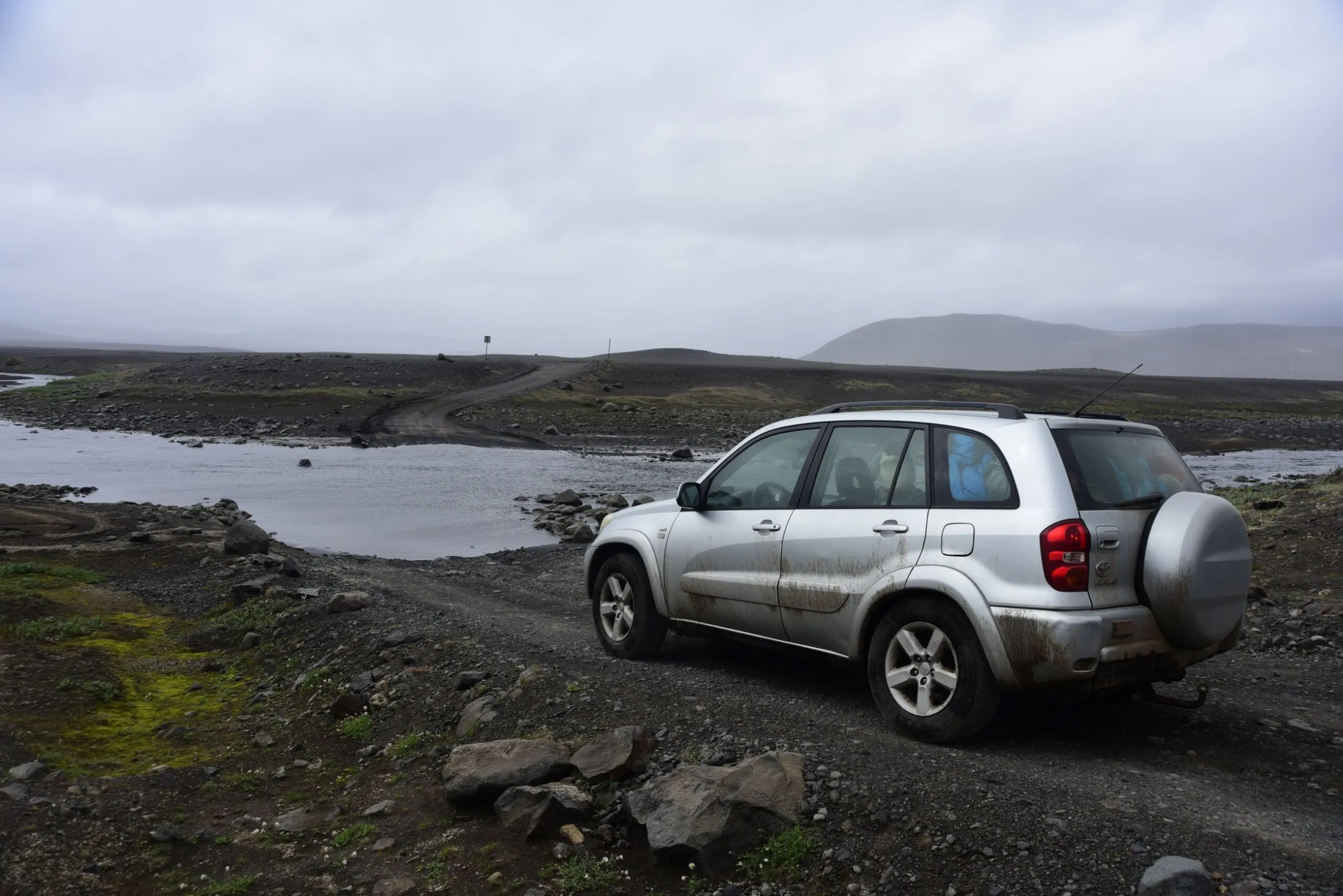
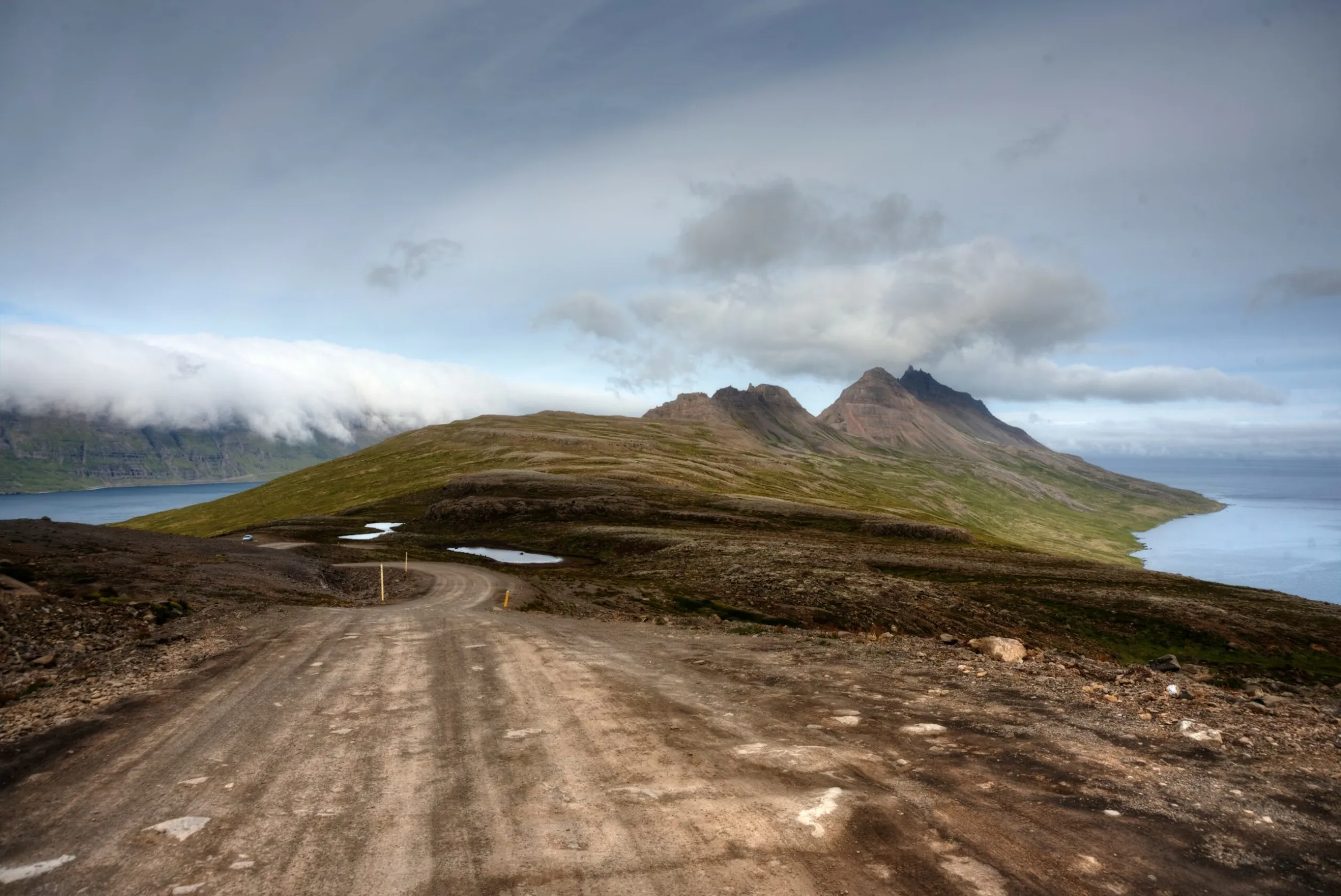
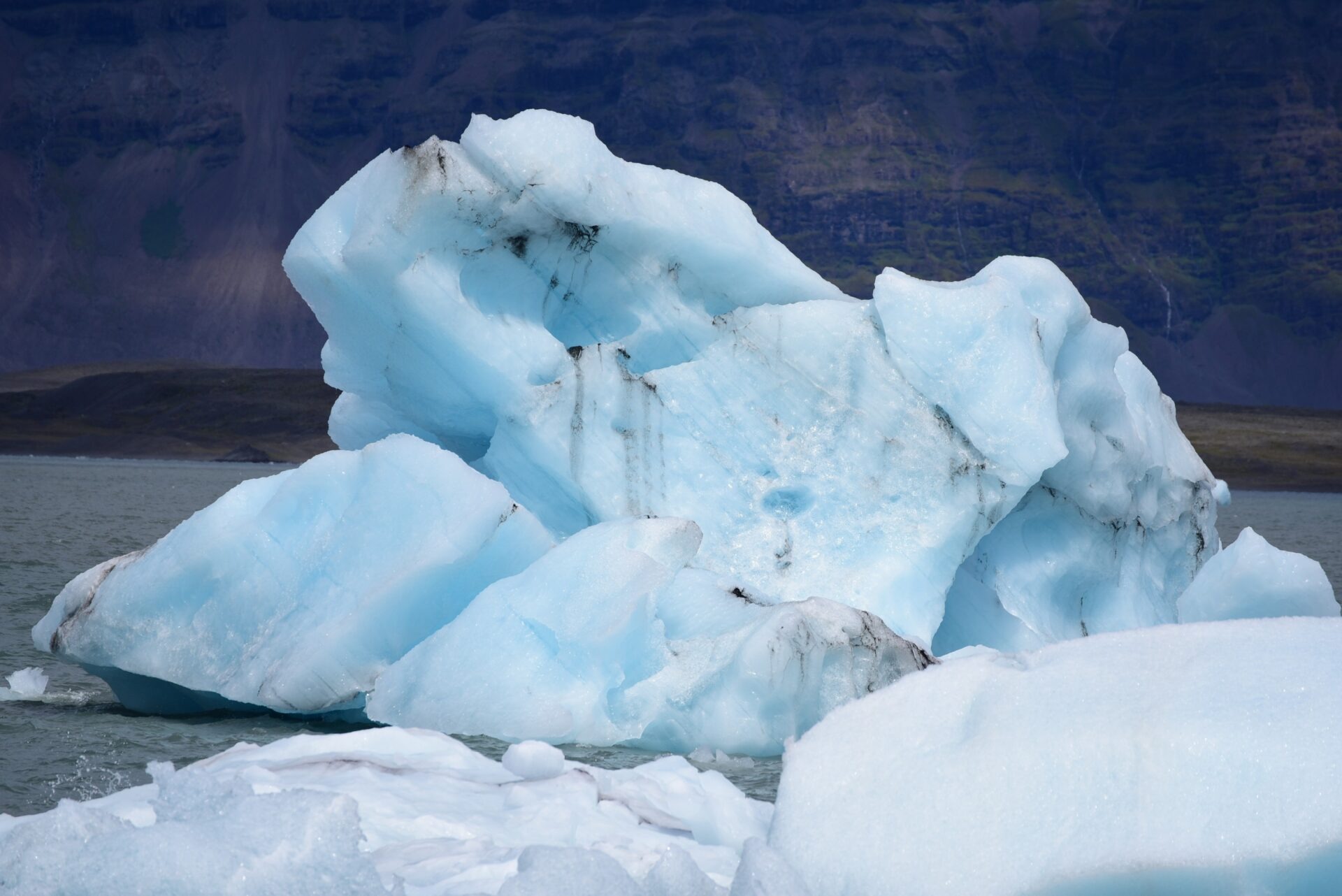
L’Islanda rimane una delle destinazioni più importanti per le spedizioni vulcaniche. È un luogo in cui i processi geologici sono visibili quasi a ogni passo. Campi di lava, zone geotermiche attive, sorgenti calde e paesaggi modellati dalle eruzioni creano condizioni eccezionali per la fotografia e l’esplorazione.
L’Islanda mostra anche che i vulcani non sono soltanto singole montagne. Sono interi sistemi geologici che influenzano il paesaggio, il clima e il modo di viaggiare. Molti itinerari islandesi attraversano l’interno dell’isola, campi di lava e aree remote dove il meteo e la logistica hanno un’enorme importanza.
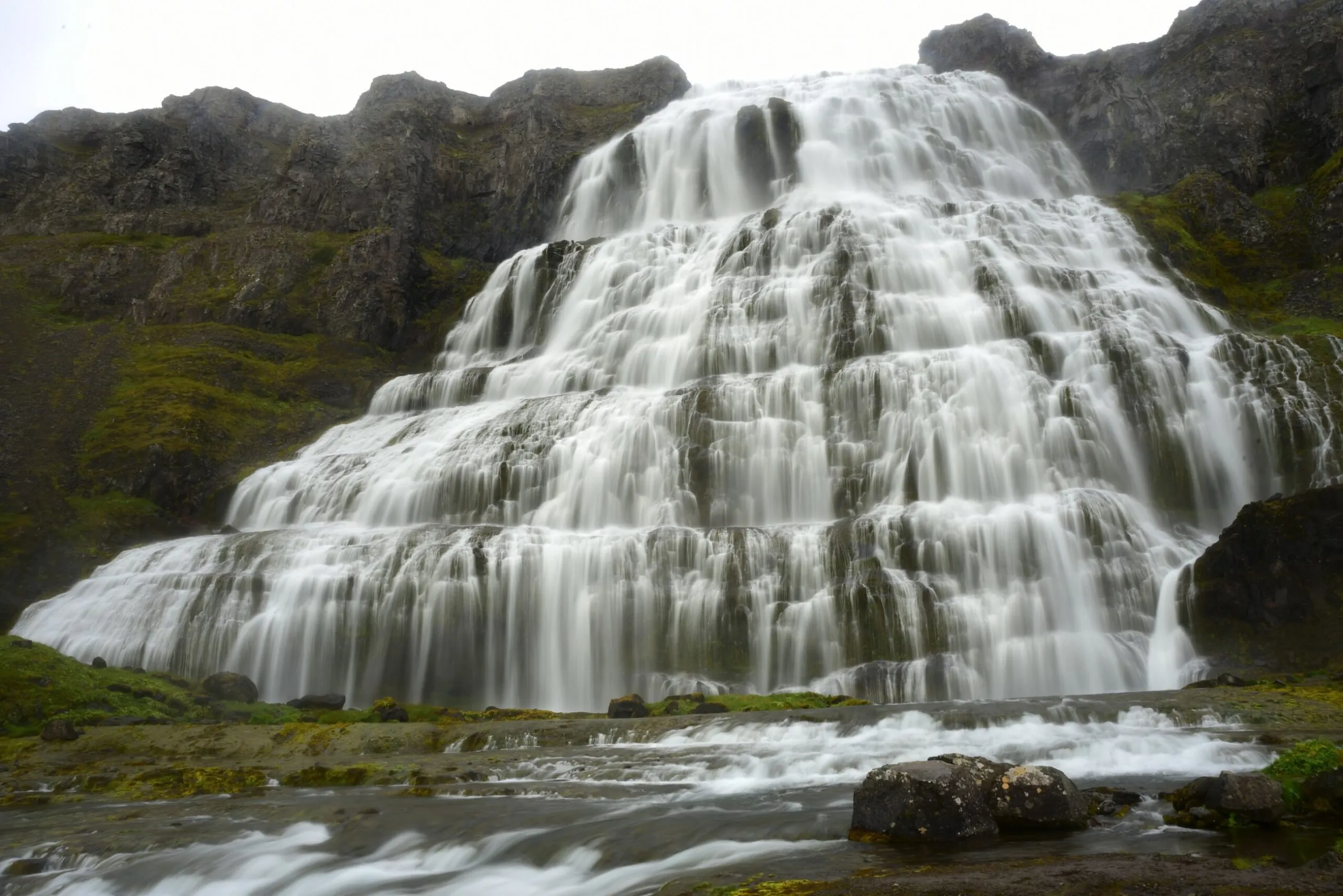
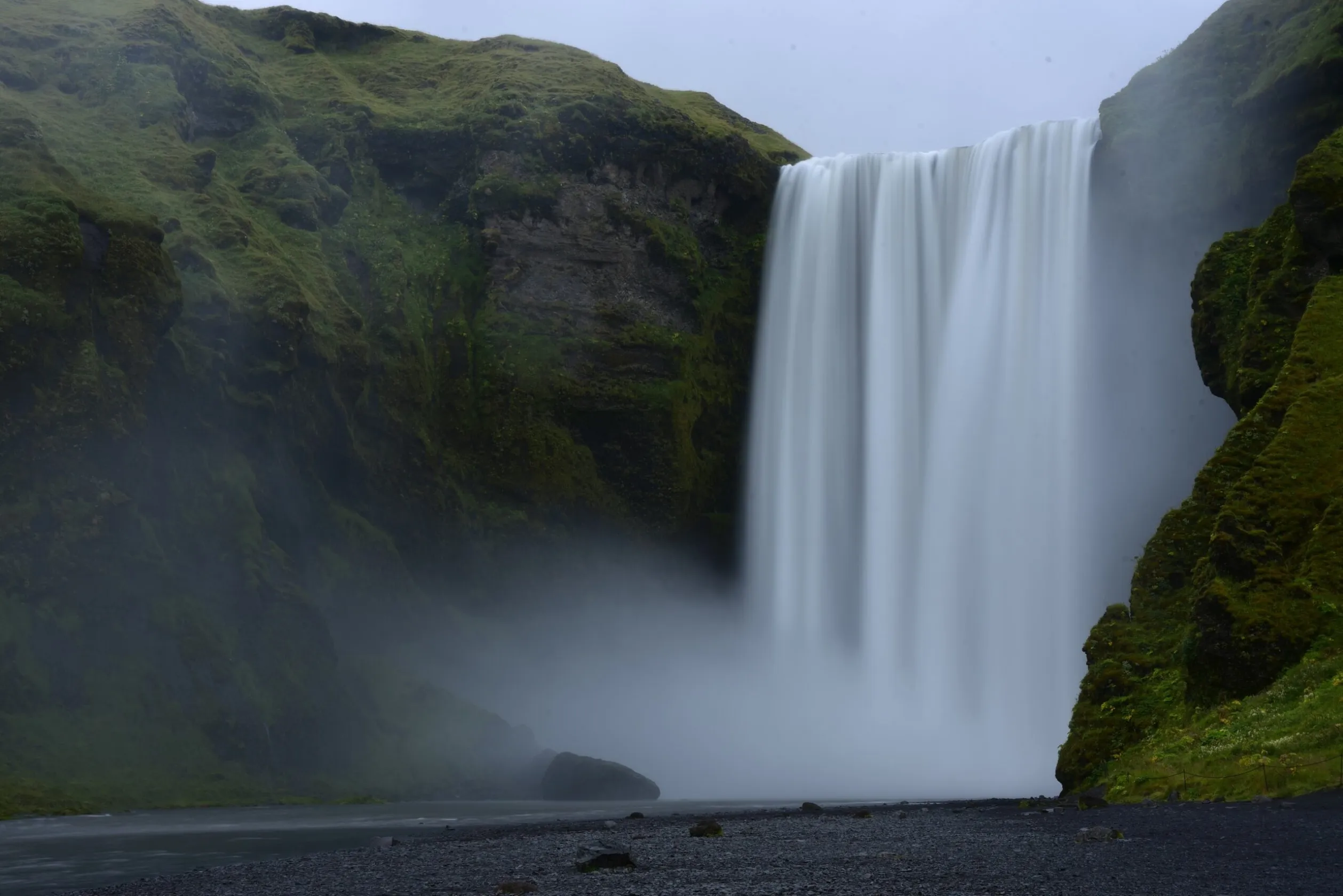
Fotografare l’Islanda significa spesso lavorare in condizioni molto mutevoli: pioggia, vento forte, neve, nebbia o luce straordinaria che appare soltanto per pochi minuti tra le nuvole.
Etna, Stromboli e Sicilia
In Europa, la Sicilia e le Isole Eolie sono tra le destinazioni vulcaniche più affascinanti. Etna e Stromboli permettono di osservare l’attività vulcanica in modo molto più diretto rispetto a molti altri luoghi del mondo.
L’Etna è un enorme sistema vulcanico dinamico che modifica regolarmente il paesaggio. Campi di lava, cenere e fumo creano condizioni fotografiche straordinarie, soprattutto all’alba e dopo il tramonto.
Stromboli, a sua volta, offre la possibilità di osservare un’attività eruttiva quasi continua. L’osservazione notturna delle esplosioni di lava è una delle esperienze più straordinarie che si possano vivere durante una spedizione fotografica.
Stromboli: eruzioni notturne e l’esperienza più primordiale del vulcano
Stromboli è uno dei vulcani attivi più straordinari d’Europa e un luogo che per molti viaggiatori diventa il primo vero incontro con la geologia viva. Questa piccola isola dell’arcipelago delle Isole Eolie rimane quasi ininterrottamente attiva da migliaia di anni, lanciando regolarmente fontane di lava e materiale piroclastico incandescente.
Proprio grazie a questa attività continua, Stromboli viene spesso chiamato “il faro del Mar Tirreno”. Già da grande distanza, di notte, si possono vedere i lampi delle eruzioni sopra il cono scuro del vulcano. La vista della lava incandescente proiettata in esplosioni ritmiche appartiene alle esperienze più intense che si possano vivere durante una spedizione fotografica.
A differenza di molti altri vulcani, Stromboli dà una sensazione molto diretta di contatto con la Terra attiva. Il suono delle esplosioni, le vibrazioni del terreno, l’odore di zolfo e la vista della lava fresca fanno sì che il paesaggio smetta di essere soltanto uno sfondo per le fotografie. È un luogo che agisce su tutti i sensi allo stesso tempo.
Per i fotografi Stromboli è eccezionale soprattutto di notte. Dopo il tramonto, il contrasto tra il cielo scuro e la luce rossa dell’eruzione crea condizioni estremamente fotogeniche. Ogni esplosione appare un po’ diversa, perciò la fotografia richiede pazienza, osservazione e prontezza nel reagire rapidamente.
Le fotografie più interessanti nascono molto spesso durante esposizioni più lunghe, quando la luce della lava comincia a disegnare la struttura dell’eruzione sullo sfondo del paesaggio notturno. Allo stesso tempo resta importante mostrare la scala del luogo: le sagome delle persone, i pendii ripidi o il mare che circonda l’isola.
Stromboli insegna anche umiltà davanti alla natura. L’attività del vulcano cambia in modo dinamico e l’accesso alle parti più alte della montagna dipende dalle condizioni attuali e dalle decisioni dei servizi di sicurezza. Proprio per questo le spedizioni a Stromboli richiedono una pianificazione ragionevole, conoscenze locali e flessibilità.
Dal punto di vista fotografico, Stromboli è uno di quei luoghi in cui conta non solo l’immagine stessa, ma anche l’atmosfera dell’intera spedizione: la salita dopo il tramonto, il vento, la polvere, l’attesa della prossima esplosione e la consapevolezza di trovarsi sul pendio di un vulcano attivo in mezzo al mare.
Nuova Zelanda e paesaggi di un pianeta giovane
L’Isola del Nord della Nuova Zelanda è un altro luogo in cui l’attività geotermica e vulcanica influenza fortemente il paesaggio. Geyser, sorgenti calde, depositi minerali colorati e zone geotermiche attive creano luoghi che assomigliano a un laboratorio geologico naturale. Per me spiccano in particolare due luoghi: Waimangu Rift Valley e Tongariro.
Waimangu Rift Valley: il sistema geotermico più giovane del mondo
Uno dei luoghi geotermici più straordinari della Nuova Zelanda è la Waimangu Volcanic Rift Valley sull’Isola del Nord. Quest’area è nata relativamente di recente in seguito all’eruzione del vulcano Tarawera nel 1886, che cambiò completamente il paesaggio locale e creò un nuovo sistema geotermico.
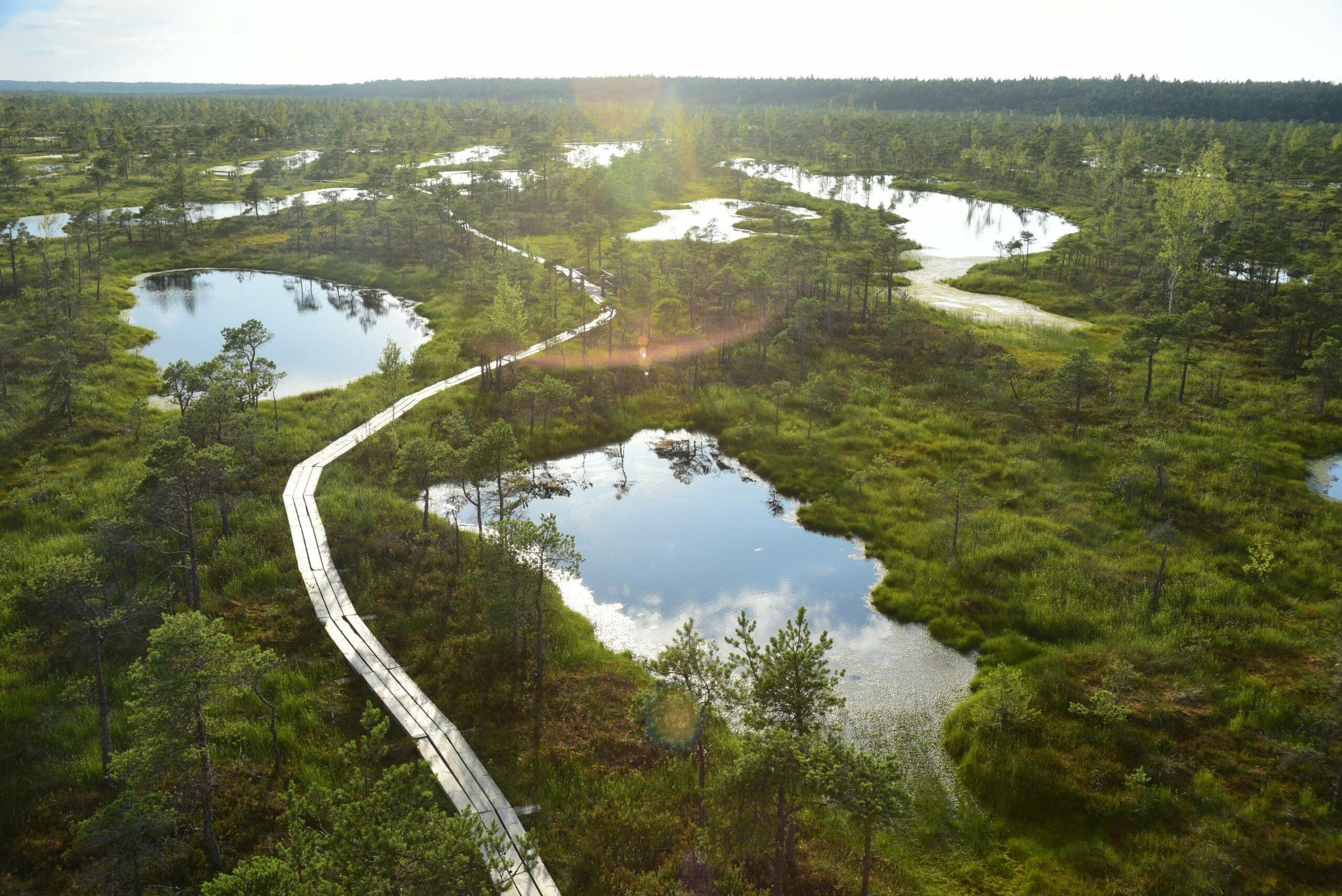
Waimangu assomiglia più a un laboratorio geologico attivo che a un classico paesaggio turistico. Laghi caldi, fumarole, vapore che sale dal terreno, colori intensi dei depositi minerali e vegetazione che cresce intorno alle sorgenti geotermiche creano condizioni estremamente fotogeniche.
Per i fotografi l’atmosfera di questo luogo ha un’enorme importanza. Nebbia, umidità e vapore cambiano continuamente il carattere del paesaggio. La luce che appare tra le nuvole di vapore può creare scene fotografiche molto morbide e quasi surreali.
Waimangu mostra anche molto bene che i paesaggi vulcanici non sono sempre severi e neri. In Nuova Zelanda la geotermia si unisce spesso al verde intenso della vegetazione, all’acqua e alla luce sottile tipica del clima umido dell’isola.
Tongariro: un paesaggio vulcanico come da un altro pianeta
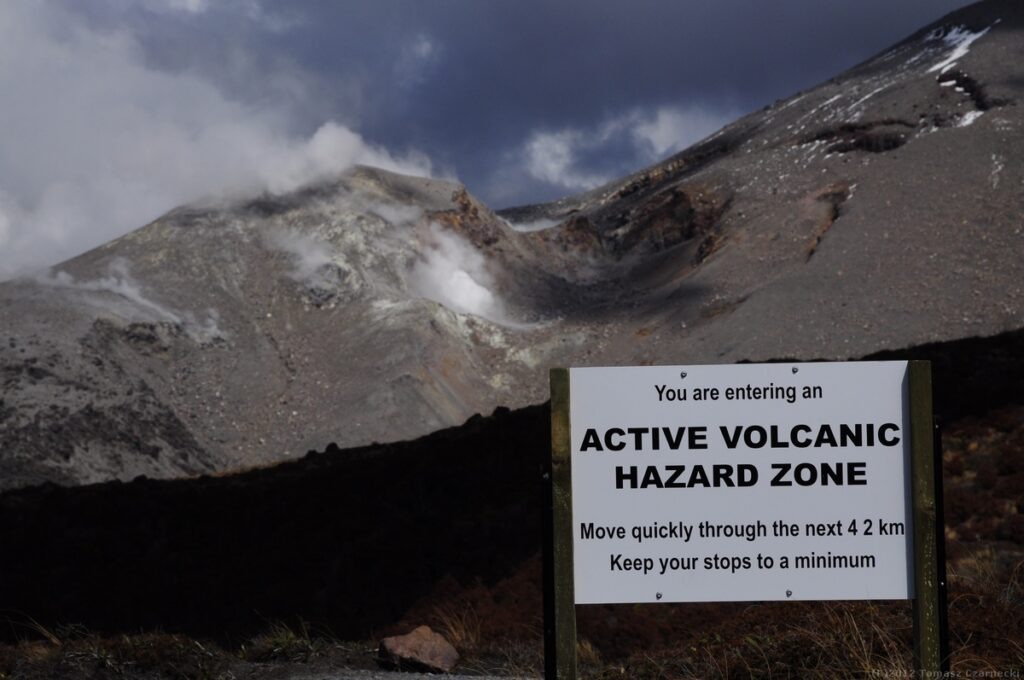
Il Parco Nazionale Tongariro appartiene alle regioni vulcaniche più spettacolari della Nuova Zelanda e dell’intero Pacifico. È un luogo dove vulcani attivi, campi di lava, laghi craterici colorati e paesaggi desertici severi formano uno degli itinerari di trekking più straordinari del mondo.
Il sentiero più conosciuto è il Tongariro Alpine Crossing, che attraversa un terreno vulcanico attivo tra i massicci di Tongariro e Ngauruhoe. I paesaggi di questa regione sono diventati famosi anche grazie alla trilogia cinematografica “Il Signore degli Anelli”, ma nella realtà il luogo impressiona ancora più che sullo schermo.
Per i fotografi Tongariro è estremamente interessante per i contrasti del paesaggio. Campi di lava neri, rocce rosse, depositi minerali chiari e laghi craterici turchesi creano combinazioni di colori e strutture quasi astratte.
Il meteo a Tongariro cambia molto rapidamente. Nuvole, nebbia, vento e improvvise schiarite fanno parte dell’esperienza di questo luogo. Proprio per questo le migliori fotografie nascono spesso non con il tempo ideale, ma in condizioni atmosferiche dinamiche e mutevoli.
Tongariro mostra anche in modo molto diretto la scala delle forze geologiche. È un paesaggio severo, aperto e a tratti quasi privo di vita, e allo stesso tempo estremamente fotogenico. Fotografare in un luogo simile diventa non solo un lavoro sull’immagine, ma anche un’esperienza di spazio, silenzio e potenza della natura.
I paesaggi vulcanici della Nuova Zelanda sono più verdi e umidi rispetto all’Islanda o alle regioni vulcaniche desertiche, ma altrettanto fotogenici. È anche un esempio di luogo in cui meteo, nuvole e luce cambiano continuamente l’atmosfera del paesaggio.
Com’è una spedizione su un vulcano?
Le spedizioni sui vulcani assomigliano molto raramente a una visita turistica standard. Spesso richiedono sveglie presto, trekking, lavoro in terreno difficile e disponibilità a rapidi cambi di programma.
Le condizioni dipendono dal luogo. A volte si tratta di brevi avvicinamenti a un punto panoramico, altre volte di molte ore di cammino attraverso campi di lava, polvere, rocce o pendii ripidi.
Anche il meteo è importante. I paesaggi vulcanici si trovano spesso in luoghi con condizioni atmosferiche molto dinamiche. Vento forte, pioggia, basse temperature o polvere possono far parte della quotidianità durante una spedizione. Inoltre, il vento variabile combinato con l’attività vulcanica richiede un monitoraggio costante dell’ambiente per i pericoli legati alla presenza di gas tossici. È anche necessario mantenere una distanza sicura dai crateri che espellono bombe vulcaniche e osservare la lava in movimento in modo da avere sempre una via di evacuazione sicura.
Fotografia dei vulcani attivi
La fotografia vulcanica appartiene ai generi più impegnativi della fotografia di paesaggio. Da un lato il paesaggio può essere estremamente grezzo e minimalista. Dall’altro, la luce e le condizioni atmosferiche cambiano molto rapidamente.
Le fotografie più interessanti nascono molto spesso:
- all’alba o dopo il tramonto,
- durante la nebbia o con cielo coperto,
- con la luce riflessa da polvere e vapore,
- durante l’attività eruttiva,
- in condizioni meteorologiche contrastanti.
I paesaggi vulcanici reagiscono bene alle composizioni minimaliste, agli spazi ampi e all’uso della scala umana di fronte all’immensità della natura.
Sicurezza durante le spedizioni vulcaniche
Anche se le spedizioni sui vulcani hanno un carattere avventuroso, la sicurezza resta la priorità più importante. Le aree geotermiche e vulcaniche attive richiedono buon senso, conoscenza delle condizioni e rispetto delle regole.
I principali pericoli includono:
- terreno lavico instabile,
- gas vulcanici,
- alta temperatura del suolo,
- cambiamenti improvvisi del meteo,
- vento forte,
- assenza di infrastrutture e grandi distanze.
Una buona organizzazione della spedizione significa preparazione adeguata dell’attrezzatura, pianificazione del percorso e disponibilità a cambiare programma se le condizioni lo richiedono.
Vulcani e fotografia notturna
I vulcani attivi appartengono ai soggetti più spettacolari della fotografia notturna. Lava incandescente, fumo illuminato dall’eruzione e cielo notturno creano condizioni visive straordinarie.
La fotografia notturna vicino ai vulcani richiede tuttavia pazienza e prudenza. Le condizioni di luce sono difficili e l’attività eruttiva mutevole obbliga a reagire rapidamente.
I risultati migliori nascono dalla combinazione del paesaggio, della luce della lava e di elementi che mostrano la scala del luogo.
Perché le spedizioni vulcaniche sono un’esperienza così intensa?
I vulcani agiscono sull’immaginazione in modo particolare. Sono luoghi in cui è facile percepire la scala dei processi geologici e la forza della natura. I paesaggi vulcanici appaiono spesso grezzi, primordiali e molto fisici.
Allo stesso tempo sono luoghi estremamente fotogenici. Minimalismo delle forme, luce dinamica, nebbie, vapore e rocce scure creano paesaggi difficili da confondere con qualsiasi altra regione del mondo.
Proprio la combinazione di avventura, geologia, fotografia e consapevolezza del contatto con un pianeta vivo rende le spedizioni sui vulcani una delle esperienze più memorabili per molti viaggiatori.
Domande frequenti
Le spedizioni sui vulcani sono pericolose?
Le spedizioni ben organizzate si basano su una pianificazione ragionevole e sul monitoraggio delle condizioni. Le aree attive richiedono cautela, ma la maggior parte degli itinerari turistici è accessibile rispettando le regole di sicurezza.
Quali vulcani sono più adatti alla fotografia?
Islanda, Etna, Stromboli e le regioni geotermiche della Nuova Zelanda sono molto popolari. Ognuno di questi luoghi offre un carattere diverso del paesaggio e della luce.
Serve esperienza di trekking?
Dipende dalla spedizione specifica. Alcuni percorsi sono relativamente facili, altri richiedono buona forma fisica e disponibilità a lavorare in terreno più difficile.
Quali condizioni meteorologiche si incontrano durante queste spedizioni?
Il meteo può essere molto variabile. Vento forte, pioggia, polvere, freddo e nebbia sono elementi frequenti delle spedizioni vulcaniche.
Perché la fotografia dei vulcani è così unica?
I vulcani creano paesaggi con struttura, luce e atmosfera insolite. Uniscono minimalismo, geologia e condizioni dinamiche che permettono di creare fotografie molto caratteristiche.
Link utili
- Eclipses.eu – spedizioni e fotografia di paesaggio
- dfoto.pl – fotografia di viaggio e paesaggio
- Fotografia dell’Islanda
- Fotografia della Nuova Zelanda
Riepilogo
Le spedizioni sui vulcani appartengono alle forme più straordinarie di viaggio e fotografia di paesaggio. Permettono di vedere luoghi dove i processi geologici sono ancora attivi e il paesaggio cambia continuamente.
Sono viaggi che richiedono maggiore consapevolezza, pazienza e preparazione, ma proprio per questo restano un’esperienza così intensa. I vulcani ricordano che la Terra non è statica. È un pianeta che crea continuamente se stesso da capo.